

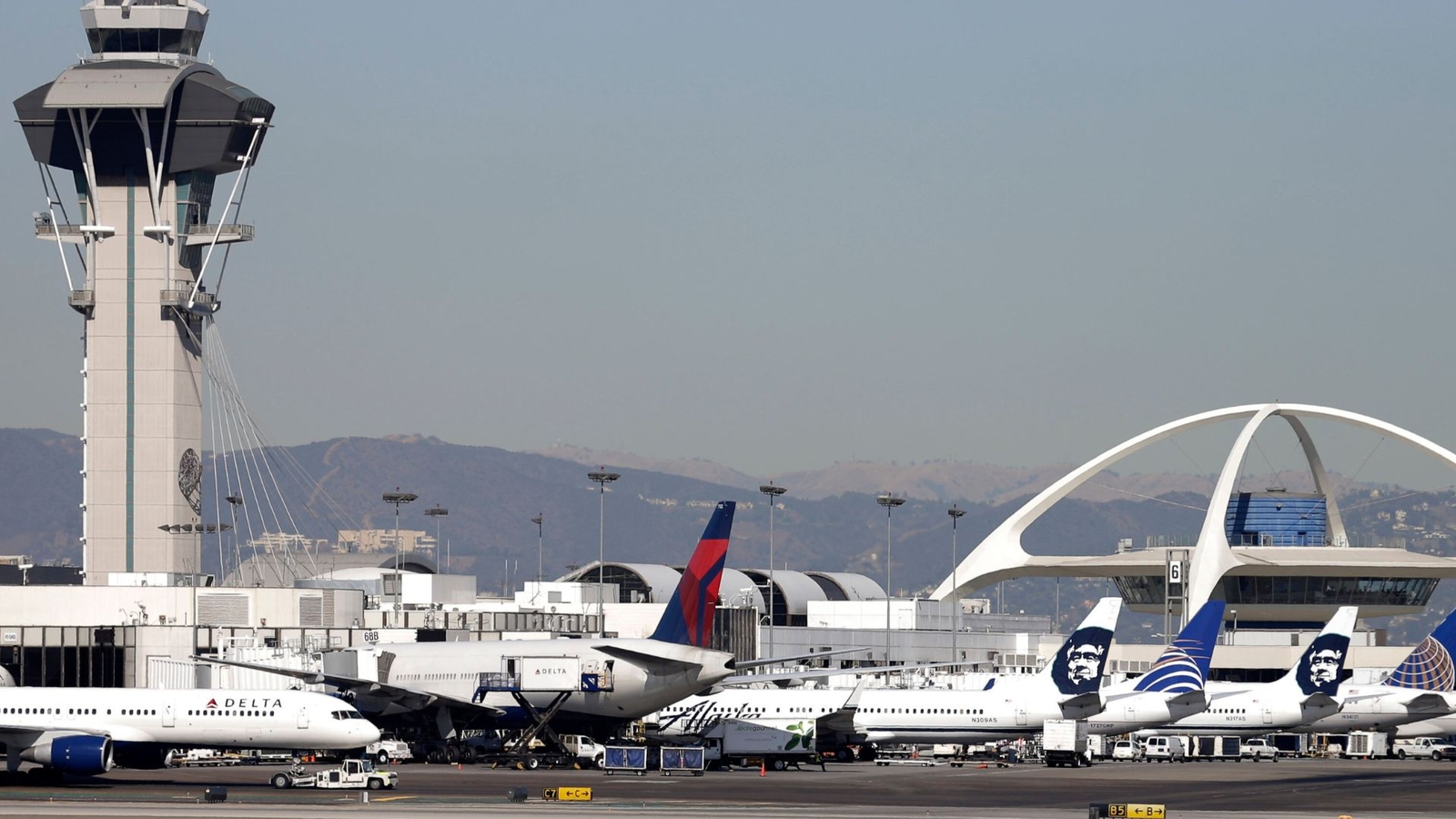
A United Airlines Boeing 787-9 en route from Los Angeles to Newark returned to LAX roughly 40 minutes after takeoff due to an engine issue and a reported fire; the aircraft took off at 10:43 a.m., began turning around at about 11:00 a.m. and landed at 11:19 a.m. More than 250 passengers and crew evacuated via slides and stairs; the FAA implemented a roughly 30-minute ground stop at LAX and the LA Fire Department contained the fire within an hour, with no reported injuries. The incident represents a localized operational disruption and potential regulatory/safety scrutiny for the carrier but, given the lack of injuries and limited scope, is unlikely to drive significant market moves absent further developments.
Market structure: The immediate winners are MRO providers and insurers (incremental maintenance and claims), losers are United Airlines (UAL) on PR/operational disruption and Boeing (BA) from increased scrutiny of the 787 fleet. Expect a modest re-pricing: UAL equity/short-dated credit spreads could widen 50–150bp intraday to short-term weeks; BA faces a smaller knee-jerk equity move but higher regulatory risk premium. Demand for long‑haul travel remains intact, so disruption is supply‑side and concentrated (fleet/maintenance) rather than demand destruction.
Risk assessment: Tail risks include an FAA Airworthiness Directive or partial 787 grounding (low probability but high impact: could knock 1–3% off BA market cap and add $300–800m of unplanned MRO costs industry‑wide over 6–12 months) and cascading insurance-rate rises for airlines. Timeline: immediate (days) for share/IV spikes and flight ops; short term (weeks–3 months) for FAA/NTSB statements; long term (quarters) for regulatory action or fleet inspections to affect deliveries. Hidden dependencies: insurer/reinsurance renewal cycles and spare‑engine pools (thin for 787) can amplify disruptions.
Trade implications: Expect elevated implied volatility in UAL options and transient underperformance versus peers; prefer cost‑limited bearish option structures on UAL (30–60 day puts or put spreads) and relative longs on operationally diversified peers (Delta DAL, Southwest LUV) that can pick up market share. Cross‑asset: buy modest protection in high‑yield airline credit (hedge via CDS/short HY ETFs if exposures >2%); avoid directional BA equity longs until regulatory clarity (30–90 days).
Contrarian view: Consensus will over-index to a simple UAL sell; market underestimates MRO upside and overstates BA terminal damage. Historically (post‑incident 2000s), single‑aircraft fires produced short VIX/IV spikes but limited permanent demand loss; if FAA avoids fleetwide action, UAL should mean‑revert within 2–6 weeks. Unintended consequence: higher short‑term revenue for specialist MROs and parts suppliers (AAR, HEICO) which the market may underprice.
AI-powered research, real-time alerts, and portfolio analytics for institutional investors.
Request TrialOverall Sentiment
neutral
Sentiment Score
-0.10
Ticker Sentiment
