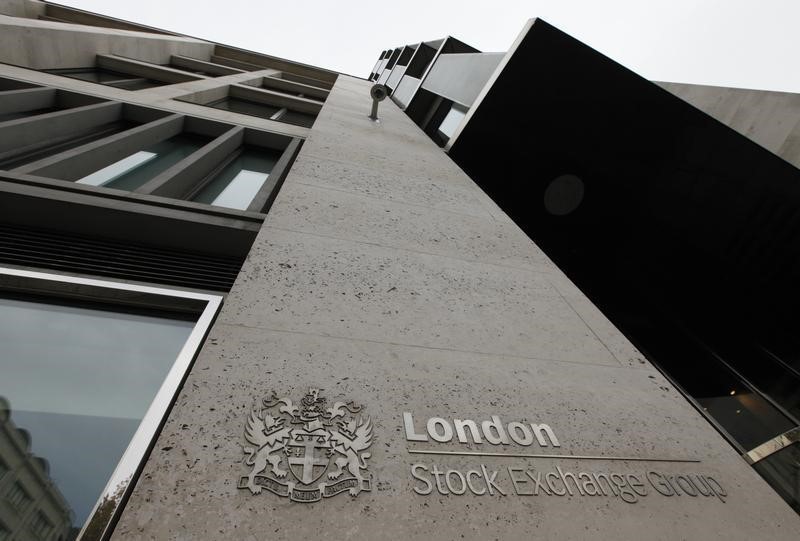
US and Iran announced a peace deal that would end military operations and reopen the Strait of Hormuz, sending Brent crude down 4.91% to $83 and WTI down 5.67% to $80.05. Risk assets rallied, with the FTSE 100 up 0.70%, Germany's DAX up 1.88%, France's CAC 40 up 1.69%, and sterling rising 0.22% to $1.3436. Gold also jumped 2.26% to $4,314.53, while the agreement remains pending formal signing on June 19 and implementation details.
The immediate market impulse is less about a durable peace premium and more about the sudden removal of an extreme tail risk that had been embedded across shipping, energy, and defensives. The first-order winners are obvious: import-sensitive equities, airlines, transports, chemicals, and European cyclicals should get a short-term multiple lift as input-cost volatility collapses. The bigger second-order beneficiary is liquidity itself: with the Strait reopened, traders can de-risk crowded commodity hedges, forcing a rapid unwind of speculative length in crude and volatility-linked products.
The most interesting setup is in the energy complex, where the speed of the selloff likely overshoots the fundamental re-rate. If the deal holds for even a few sessions, upstream equities underperform spot oil because investors will discount a lower geopolitical risk premium and re-price realized prices downward, but integrateds with downstream exposure should hold up better than pure E&Ps. Midstream and tanker names are more nuanced: easing blockage risk reduces emergency freight rates, yet lower oil may support volume and preserve cash flows, so relative performance should favor contracted pipeline assets over spot-exposed marine names.
The real risk is not that the headline is false, but that implementation is incomplete. The article already signals a classic compliance-gap structure, which means the market is pricing a political announcement before operational verification; that makes the next 1-2 weeks the critical window. Any delay on asset releases, renewed strikes, or maritime incidents would restore the risk premium quickly, and gold’s bid suggests some investors are already treating this as reversible rather than definitive.
Consensus is likely underestimating how much this matters for non-energy inflation prints over the next 4-8 weeks: a sustained decline in crude should feed directly into headline CPI expectations, lowering rate-hike tail risk and supporting duration-sensitive assets. That creates a broader cross-asset trade: the energy selloff may be partially offset by higher-quality growth and sovereign bonds if macro desks extrapolate softer inflation. In that sense, the most important move may be the unwind of the inflation hedge, not the directional move in oil itself.
AI-powered research, real-time alerts, and portfolio analytics for institutional investors.
Request DemoOverall Sentiment
strongly positive
Sentiment Score
0.75
Ticker Sentiment
