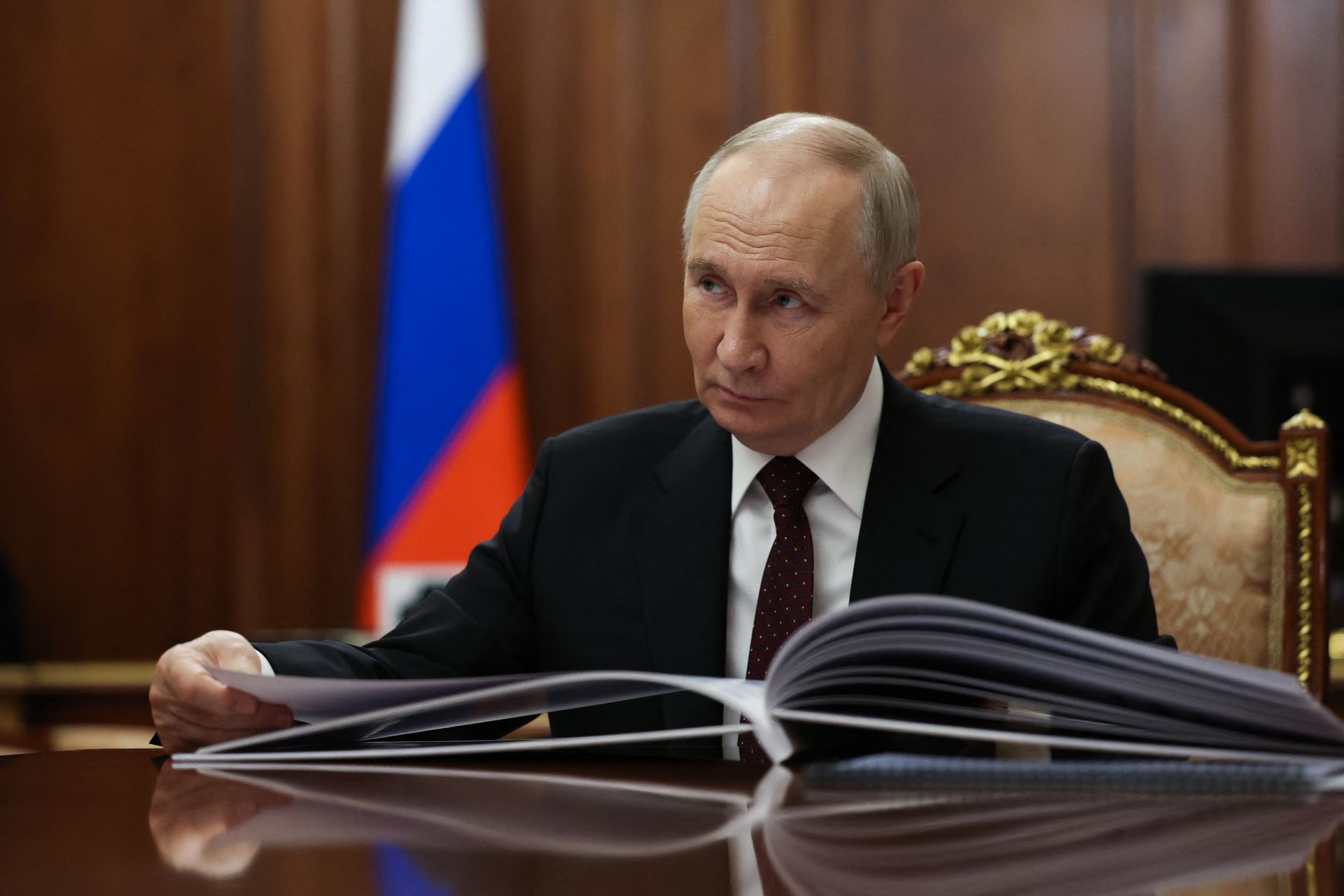
Putin said he is willing to meet Zelensky in Moscow, but only to finalize a prepared agreement, while Zelensky reiterated he will not meet in Russia or Belarus and called for trilateral Ukraine-Russia-U.S. talks to resume. The dialogue remains stalled, with Moscow saying negotiations are not a top priority and Lavrov confirming talks are not urgent. The article points to continued geopolitical deadlock rather than a breakthrough, keeping war-related risk elevated.
This is less a peace signal than a bargaining posture, and markets should treat it as optionality on de-escalation rather than a base case. The key second-order effect is not an immediate ceasefire; it is an extension of the status quo in which war spending, sanctions, and supply-chain rerouting remain intact for months, while headline risk periodically compresses risk premia in European defense, energy, and logistics names.
The real tell is venue and sequencing: insisting on a fixed, Russia-controlled meeting framework raises the probability of diplomatic delay while preserving leverage. That favors assets linked to prolonged attrition — defense procurement, ammunition, drone systems, and European border/security infrastructure — because even incremental diplomatic talk tends to increase rather than reduce medium-term rearmament budgets as governments hedge against the risk of a frozen conflict breaking down again.
The contrarian read is that consensus may be underpricing the chance of a short, violent relief rally in European cyclicals and Ukrainian-exposed assets if an actual negotiation track opens, even if it ultimately fails. But the bar for durable de-risking is high: without a verifiable agenda, venue compromise, and third-party enforcement, any market optimism should fade within days, not quarters. In other words, the trade is not "peace is coming"; it is "headline volatility is rising, but the underlying militarization trend remains intact."
AI-powered research, real-time alerts, and portfolio analytics for institutional investors.
Request TrialOverall Sentiment
mildly negative
Sentiment Score
-0.15
