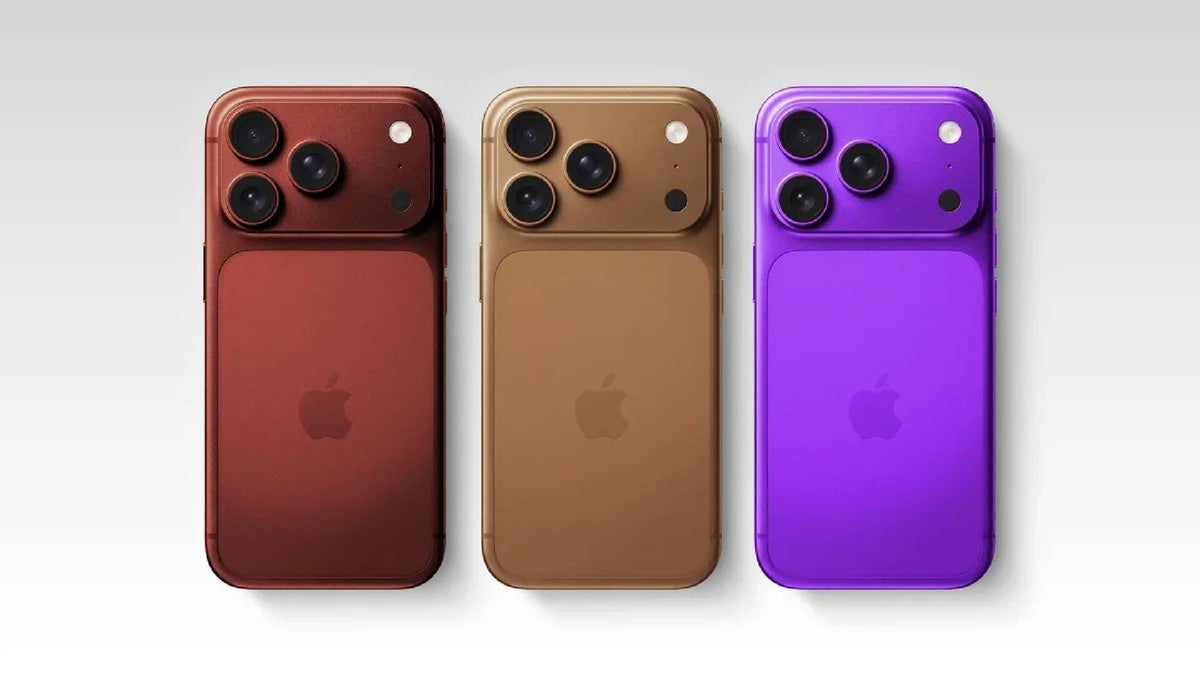
Leaks suggest the iPhone 18 Pro will feature a smaller Dynamic Island, with dummy-model measurements indicating a reduction from 20.06mm on the iPhone 17 Pro to 14.98mm, or nearly 25%. Some sources are even more bullish, estimating a 13.5mm cutout, a 35% reduction. The redesign appears incremental rather than transformative, with the broader iPhone 18 Pro look still expected to remain familiar.
The incremental design change matters less for aesthetics than for signaling that Apple is finally squeezing more utility out of the front-end hardware stack without a full under-display Face ID transition. That usually implies one of two things: either Apple has achieved a component integration step that reduces sensor footprint, or it is preparing consumers for a multi-year runway toward a cleaner display, which can extend the premium upgrade narrative across multiple cycles. In either case, the first-order beneficiary is Apple’s installed-base monetization, not just unit demand.
The second-order impact is more interesting for suppliers. A smaller cutout and a thicker chassis point to internal re-layout, which tends to create mix shifts across camera modules, optical components, adhesives, structural materials, and thermal management. That creates upside for the parts vendors that win content per device, while making this cycle less about a single “hero feature” and more about cumulative component complexity — favorable for margins if Apple can pass through cost, but a risk if build yields disappoint.
Consensus may be underestimating how little a cosmetic front-side change moves replacement demand unless it is paired with a visible AI or camera step-up. If the dynamic island shrink is the headline and not the substance, the market may be overpricing a near-term upgrade wave; historically, design-only iPhone cycles tend to pull demand forward only modestly over 1-2 quarters. The real catalyst is confirmation of shipment timing and whether Apple uses the reveal to frame this as the first step in a longer display redesign, which would help sustain ASP expansion into the next cycle rather than just one launch quarter.
The main downside risk is that a more complex industrial design increases production friction just as Apple is trying to maintain premium positioning. If the new front-end architecture causes yield issues, the market could see channel shortages offsetting the narrative boost, and component suppliers could get hit before final demand proves out. The broader risk/reward is favorable for Apple on sentiment, but the trade likely needs to be expressed as a relative-value call rather than an outright momentum bet.
AI-powered research, real-time alerts, and portfolio analytics for institutional investors.
Request DemoOverall Sentiment
mildly positive
Sentiment Score
0.15
Ticker Sentiment
