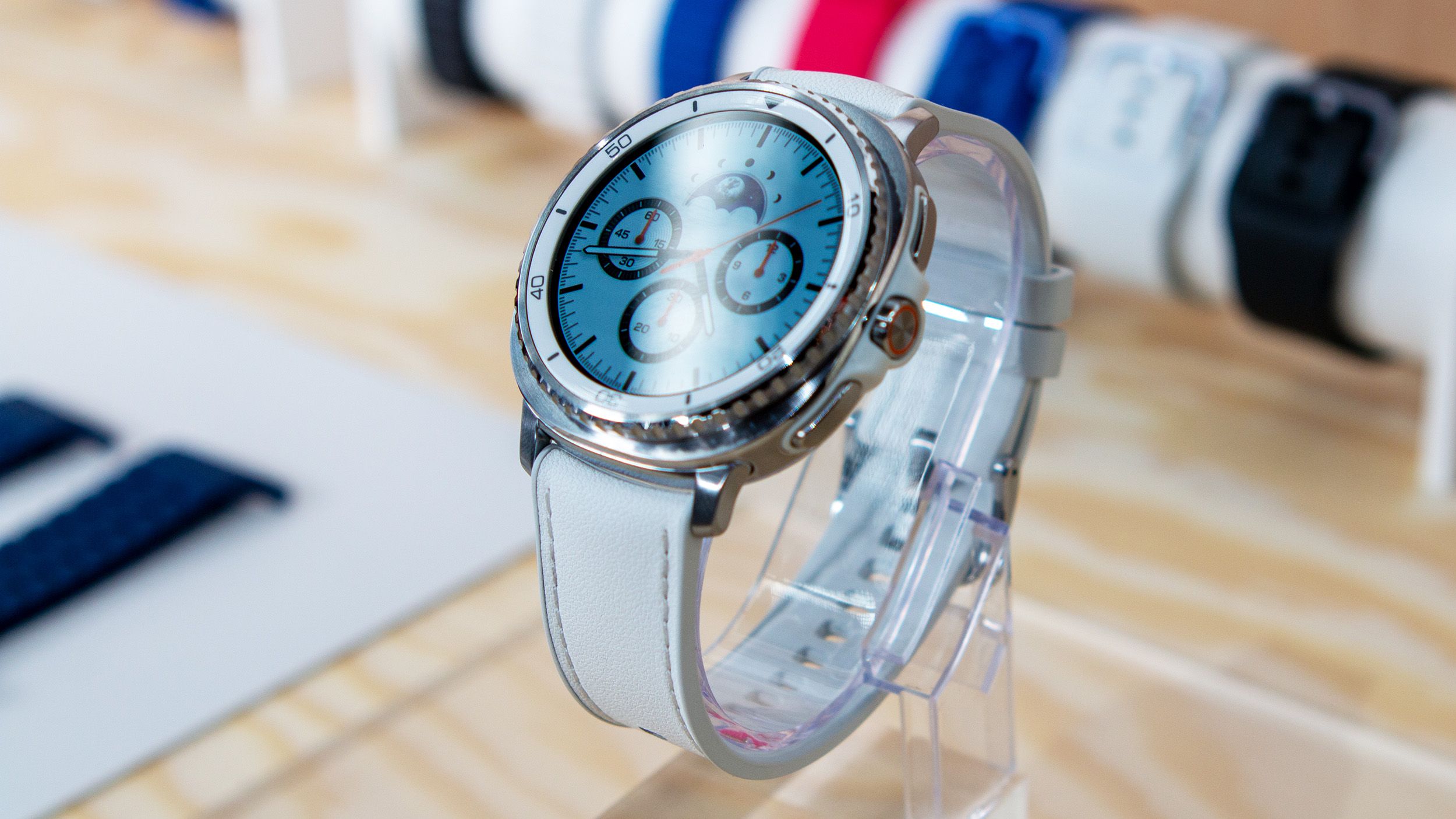
Galaxy Watch users across multiple generations are reporting severe battery drain after Samsung's March update, with Google Play Services reportedly consuming up to 89% of battery in some cases. The issue appears to affect some Galaxy Watch 6 Classic, Watch 7, and Watch 8 Classic owners, though not all users are impacted. Samsung previously fixed a similar Watch 7 battery problem with a patch, but no timeline is available for a new fix.
This reads like a low-grade but potentially persistent Android ecosystem quality-control issue, not a one-off smartwatch glitch. The key market implication for GOOGL is reputational spillover: when a background service is perceived to be draining battery across multiple Samsung wearables and even a handset, the blame often lands on the platform owner, not the OEM. That creates a small but real risk of support-ticket volume, negative forum amplification, and incremental friction in wearables adoption, especially among power users who are the most visible reviewers and referral drivers. The second-order effect is more interesting than the headline. If battery drain is tied to a services layer rather than hardware, Samsung can patch around the symptom, but GOOGL still absorbs the narrative risk because its software sits in the middle of the stack. This is the kind of issue that rarely moves the stock on day one, but it can depress Android Wear/Pixel ecosystem goodwill over weeks if fixes are inconsistent or device-specific, especially if it appears to be triggered by cross-device interoperability. The catalyst window is short: if Samsung or Google ships a clean patch within days, the issue likely fades into the usual consumer-tech noise. If it persists for several weeks, it becomes a recurring quality-control story and could modestly weigh on near-term Android ecosystem sentiment, though not fundamentals. The contrarian view is that the selloff risk is probably overdone for GOOGL because this is a service-layer bug, not a structural demand problem, and these incidents tend to be resolved before they affect annual engagement metrics.
AI-powered research, real-time alerts, and portfolio analytics for institutional investors.
Request DemoOverall Sentiment
mildly negative
Sentiment Score
-0.25
Ticker Sentiment
