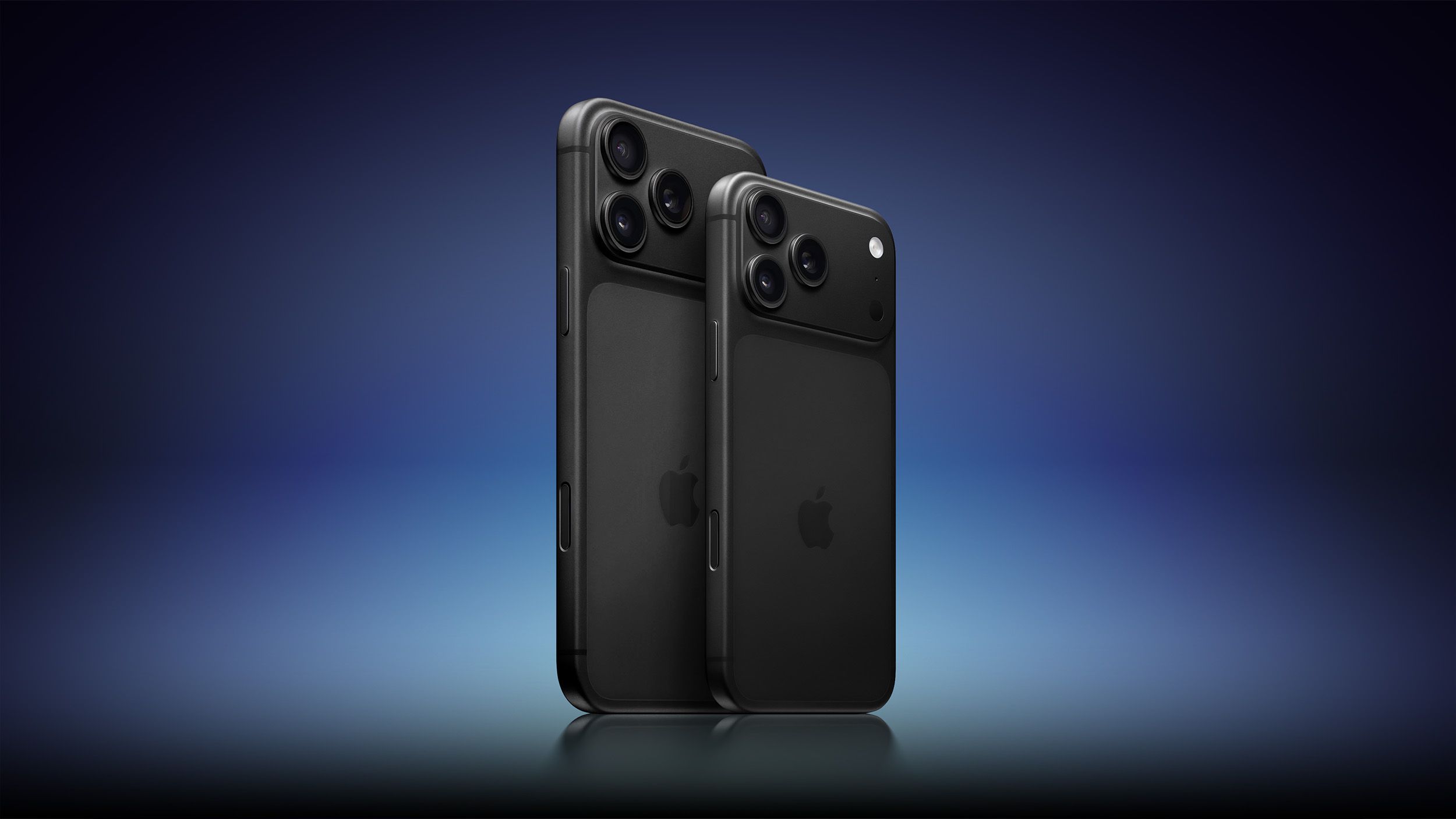
Apple's iPhone 18 Pro and Pro Max are expected to feature a new variable-aperture lens that costs about 50% more than the current main-camera unit, signaling a higher-value camera upgrade for the next Pro lineup. Sunny Optical is slated to supply 40-50% of Apple camera orders and has also won MacBook Neo and future iPhone component opportunities, while Kuo lifted his 2026 MacBook Neo shipment forecast from 5 million to 10 million units. The article also notes Sunny Optical secured orders for two OpenAI devices, adding another incremental growth driver.
The key equity implication is not the camera spec itself, but Apple’s willingness to absorb meaningful component inflation to protect perceived product differentiation. That usually happens only when management believes the upgrade can drive mix, not just unit growth, which matters because high-end iPhone ASP expansion is one of the few levers that can offset a slowing replacement cycle. In practice, this tilts the next upgrade cycle toward better gross margin durability for AAPL if Apple can pass through even a fraction of the incremental BOM while preserving premium demand.
The second-order winner is the camera supply chain, especially Sunny Optical, because Apple diversifying suppliers increases the odds that Sunny becomes a structural share-gainer across multiple product lines, not just a one-off socket winner. The market should also start pricing a broader optical-content inflation theme: every step up in aperture complexity, packaging, and module integration tends to benefit precision optics, assembly, and tooling vendors with higher barriers to entry, while commoditized lens players risk margin pressure if they cannot meet tighter tolerances.
The underappreciated catalyst is timeline dispersion: the iPhone launch is a near-term headline, but the real monetization for suppliers is a 12-24 month runway if Sunny extends from phone camera content into future ultra-wide and adjacent devices. The contrarian risk is that Apple may be using this cycle to buy time on differentiation while underlying handset demand remains tepid; if that’s the case, revenue uplift could be concentrated in the supply chain rather than the top line, with little multiple expansion for AAPL. Another tail risk is execution: higher-complexity optics can create yield issues, which would compress supplier margins before volume scales.
AI-powered research, real-time alerts, and portfolio analytics for institutional investors.
Request DemoOverall Sentiment
mildly positive
Sentiment Score
0.35
Ticker Sentiment
