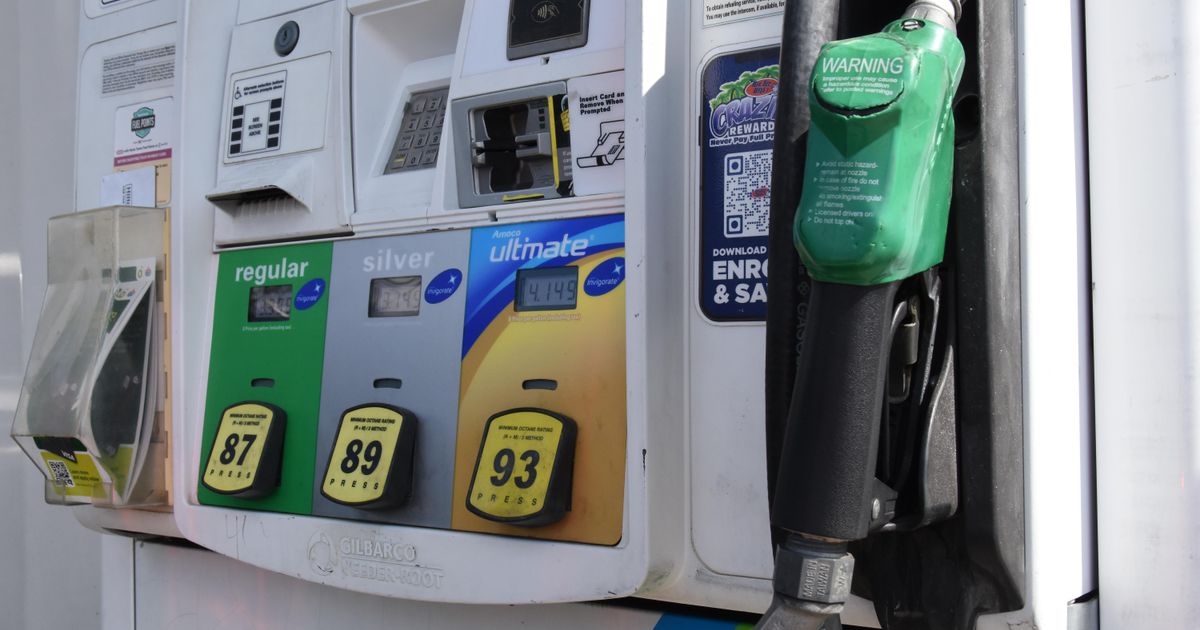
Oil plunged from nearly $120/barrel to below $90/barrel (~25% move), helping U.S. markets reverse intraday losses: S&P 500 swung from -1.5% intraday to +0.8% close, the Dow rose +239 points and the Nasdaq gained +1.4%. Geopolitical escalation remains acute — Iran named Mojtaba Khamenei supreme leader, continued U.S.-Israeli strikes and retaliatory attacks have produced multiple military and civilian casualties (including at least seven U.S. service members and seven mariners), and France/UK/Turkey/others are deploying naval/air defenses — sustaining elevated upside risk to energy prices and broad market volatility.
Energy market plumbing is the dominant transmission mechanism from geopolitics to risk assets: insurance premiums, tanker reroutes and sanctions-driven cargo diversions can add $5–10/barrel to delivered crude into Europe within 2–8 weeks even if headline spare capacity is unchanged. Russia’s pivot to Asia and Macron’s proposed escort mission create an asymmetry — supply can be reallocated but at rising marginal logistic cost and political friction, so expect Brent-WTI and Middle East-Asia differentials to widen and freight rates to spike before physical flows normalize.
Investor flows are hypersensitive to oil headline moves; the same $20 swing that flips risk-on can reverse within hours if a credible disruption occurs. That makes short-term equity rebounds fragile: two-way volatility will favor convex strategies (options) and liquid relative-value trades over directional beta, especially for 1–3 month horizons while naval deployments, sanctions, and insurance repricing play out.
Winners beyond obvious defense names are those that capture frictional revenue from rerouting and security demand: VLCC/tanker owners, marine insurers/reinsurers, and LNG exporters with long-term contracts into Asia. Losers are energy-importing EMs, airlines/cruise operators, and refiners with exposure to regional feedstock dislocations; second-order effects include higher input costs for chemicals and fertilizers that compress margins for agrichemicals into the next planting season.
Tail risks are binary and concentrated: an expanded blockade or strike on major terminals would push Brent toward $140 within weeks, while a rapid multinational escort operation plus diplomatic de-escalation could shave $20–30 off Brent in 2–3 months. Position sizing should assume a >30% one-way move in energy prices over the next 3 months with mean reversion potential starting at the 90–120 day mark.
AI-powered research, real-time alerts, and portfolio analytics for institutional investors.
Request DemoOverall Sentiment
mixed
Sentiment Score
-0.20
