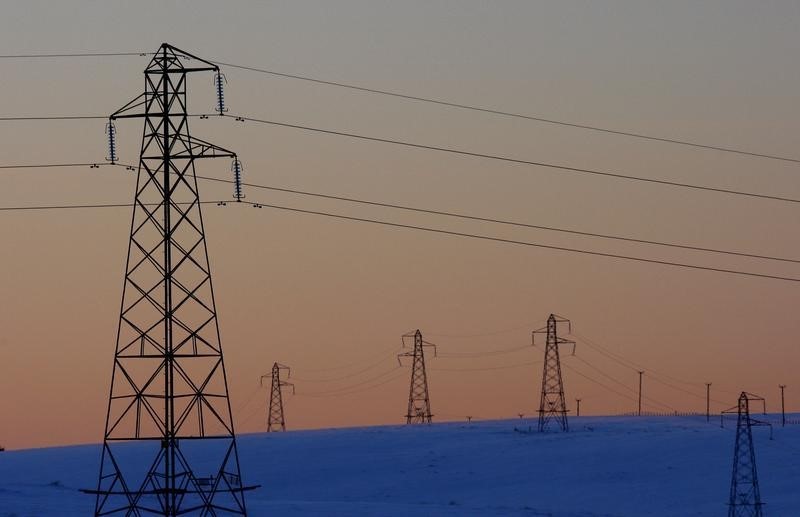
Adani Power plans to raise 80 billion rupees ($836 million) in local debt this year, including 50 billion rupees of public debt and about 30 billion rupees of bank loans, to fund expansion. The company aims to lift generation capacity to 41,870 MW by FY2032 from a little over 18,000 MW now, supported by strong electricity demand. S&P affiliate Crisil Ratings assigned the company an AA grade, reinforcing financing access and diversification of funding sources.
This is less a simple financing headline than a signal that Indian power demand is now large and visible enough to support repeated balance-sheet recycling. The company is effectively trying to term out capex at a moment when domestic lenders are still willing to underwrite long-duration infrastructure risk, which should compress funding spreads for the better capitalized IPPs and widen them for weaker regional players that cannot access the same mix of bonds, banks, and private placements.
The second-order winner is the domestic banking ecosystem, especially institutions with appetite for quasi-utility credit, because this creates fee income and secured lending exposure without immediate asset-quality pressure. The quieter beneficiary is the local bond market: a successful larger issuance program can deepen the corporate curve for power/infra credits, potentially pulling more insurance and pension money into the asset class over the next 6-18 months.
The risk is not refinancing today; it is execution over a 3-5 year horizon. If coal logistics, plant load factors, or regulatory scrutiny on leverage deteriorate, expansion math becomes more fragile because the market is implicitly rewarding scale and access to capital, not necessarily operating efficiency. A normalization in electricity demand growth or a faster-than-expected shift in renewable procurement would also make this look expensive in hindsight, because the funding plan assumes a long runway for thermal baseload demand.
The contrarian point is that the headline is mildly positive for credit but potentially negative for equity if investors start valuing Adani Power as a financial engineering story rather than an operating story. The market may be underestimating dilution risk from repeated capital raises and overestimating the durability of favorable funding conditions; in that case, the best trade is not outright bullishness on the name but long-duration lender exposure versus equity volatility.
AI-powered research, real-time alerts, and portfolio analytics for institutional investors.
Request DemoOverall Sentiment
mildly positive
Sentiment Score
0.25
