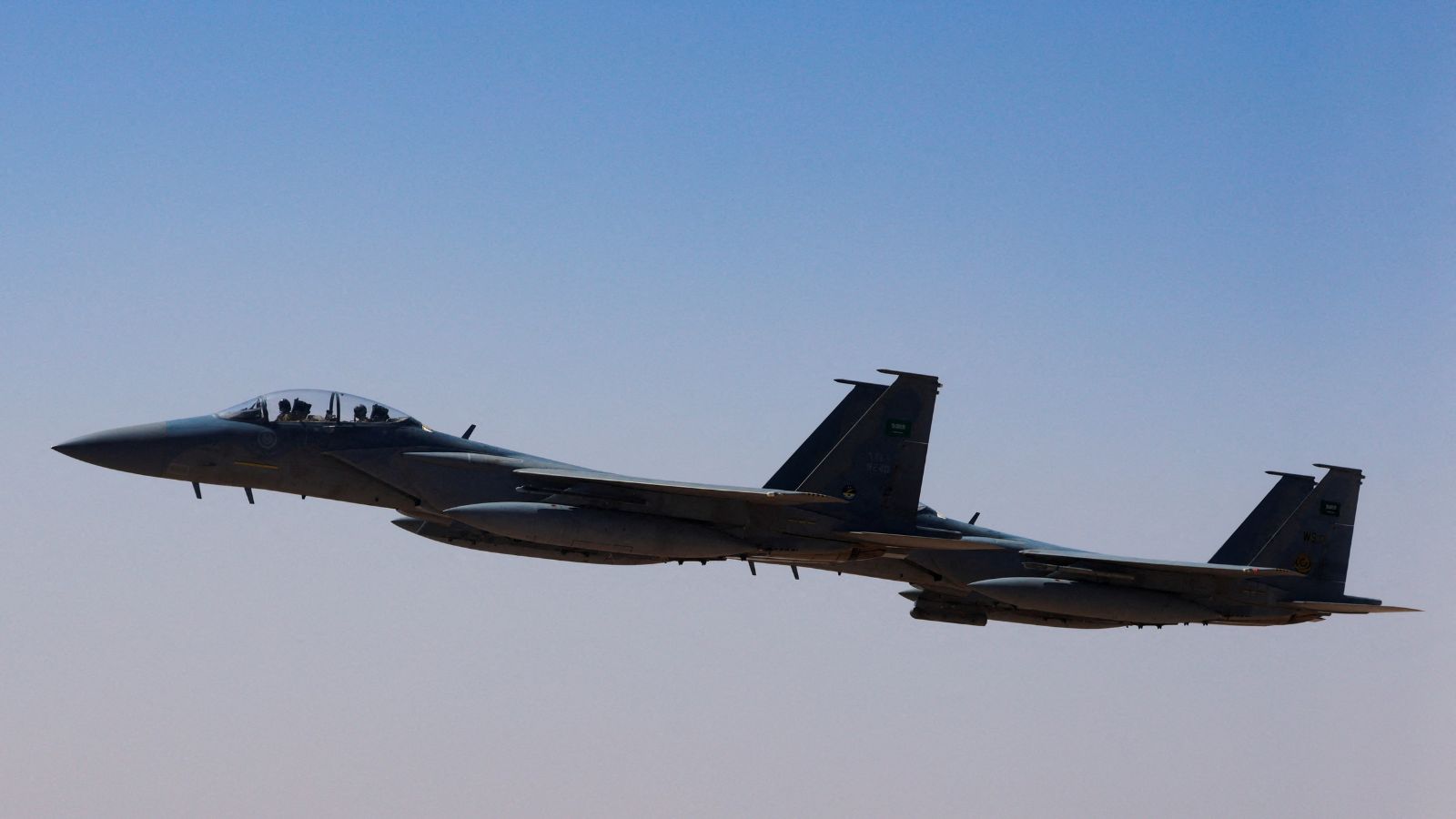
Saudi Arabia reportedly carried out covert retaliatory strikes on Iran in late March, marking the first known direct Saudi military attack on Iranian territory after repeated missile and drone attacks across the Gulf. Reuters said Iranian attacks on Saudi Arabia then fell sharply, from more than 105 drone and missile strikes between March 25 and 31 to just over 25 in the following week, suggesting a temporary de-escalation. The episode raises regional geopolitical risk for energy markets, shipping through the Strait of Hormuz, and broader Gulf stability.
This is less about a one-off retaliation cycle and more about a regime change in Gulf risk management: the market is learning that Saudi and its neighbors now have both the capability and political willingness to answer asymmetric attacks with direct force. That should lower the probability of a long, one-way harassment campaign against Gulf energy and logistics assets, but it also raises the odds of brief, sharp escalation windows when both sides test red lines. In practice, the risk premium becomes more episodic: lower average tail risk, higher gap risk.
The second-order effect is on routing and inventory behavior rather than just spot crude. Even if physical supply is not durably disrupted, insurers, shipowners, and commodity merchants will pre-position around perceived Strait of Hormuz risk, lifting freight, war-risk premia, and working capital needs across the whole Gulf-to-Asia trade chain. That tends to favor integrated firms and tanker exposure over pure downstream refiners, while high-beta EM importers and airlines remain the most vulnerable to short-horizon price shocks.
The deeper contrarian point is that successful signaling can reduce realized volatility before it reduces headline tension. If Iran concludes that Gulf retaliation is credible, it may shift from visible drone/missile harassment toward deniable proxy or cyber activity, which is slower-burn and harder for markets to price. That means the immediate trade is not simply “buy oil”; the better expression is long assets that monetize higher logistics and insurance costs, while fading the assumption that the worst-case scenario must be persistent physical supply loss.
Catalyst-wise, the next 1-4 weeks matter most for whether attacks re-accelerate after the first retaliation window. Over 3-6 months, the bigger question is whether Gulf states build a standing doctrine of proportional covert response, which would cap sustained attacks but keep a geopolitical bid under defense and shipping names. A reversal would require either sustained US backchannel pressure or a broader regional détente; absent that, each new incident should be bought in volatility, not in outright directional certainty.
AI-powered research, real-time alerts, and portfolio analytics for institutional investors.
Request DemoOverall Sentiment
strongly negative
Sentiment Score
-0.55
