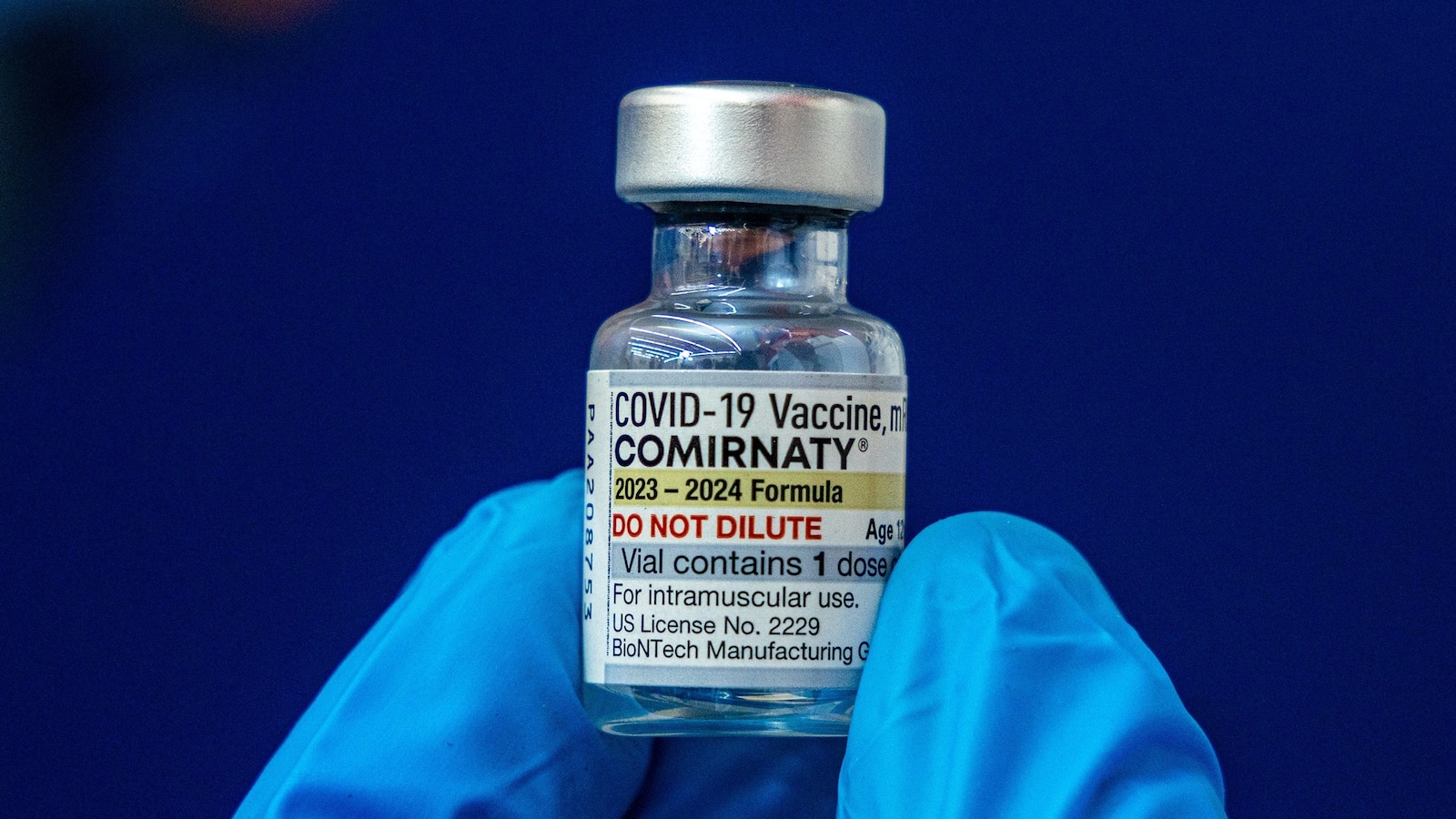
The FDA blocked publication of studies tracking the safety of COVID-19 and shingles vaccines, with HHS saying the papers were withdrawn because their conclusions were not supported by the underlying data. The move underscores regulatory scrutiny of vaccine-related research and could create headline risk for healthcare and biotech names, though the article does not indicate an immediate direct financial impact.
This is less about the science itself than about the direction of travel for regulatory credibility. When the agency is seen as actively filtering inconvenient safety narratives, the market implication is a higher probability of delayed label changes, slower advisory committee action, and a more defensive posture from vaccine manufacturers on future updates. In the near term, that reduces headline risk for incumbent vaccine franchises, but it also raises the discount rate investors should apply to any pipeline asset dependent on rapid public-health adoption or accelerated review.
The second-order effect is on trust elasticities. Vaccine uptake is driven by convenience and habit, but marginal consumers are highly sensitive to perceived institutional conflict; a prolonged dispute can suppress booster compliance and elective adult immunization rates over the next 1-3 quarters. That matters more for products with recurring seasonal demand than for one-time prophylactic launches, and it pushes relative value toward diversified large-cap healthcare over single-product vaccine exposure.
The legal/regulatory overhang may also widen the gap between what companies can sell and what they can confidently promote. If outside researchers increasingly self-censor or avoid agency-linked work, the information premium shifts to independent CROs, diagnostics, and data vendors with cleaner reputational positioning. Conversely, firms that rely on government-backed validation could see a multiple haircut if investors begin to price in recurring publication disputes as a structural feature rather than an isolated event.
The contrarian read is that the market may overestimate the immediacy of any commercial damage. Vaccine demand is sticky for core cohorts, and the bigger risk is not an abrupt revenue shock but slower growth at the margin, which usually takes several reporting cycles to show up. That means the best short opportunities are likely in sentiment-sensitive names with stretched valuations, not in the large-cap incumbents that can absorb a few quarters of noise.
AI-powered research, real-time alerts, and portfolio analytics for institutional investors.
Request DemoOverall Sentiment
mildly negative
Sentiment Score
-0.15
