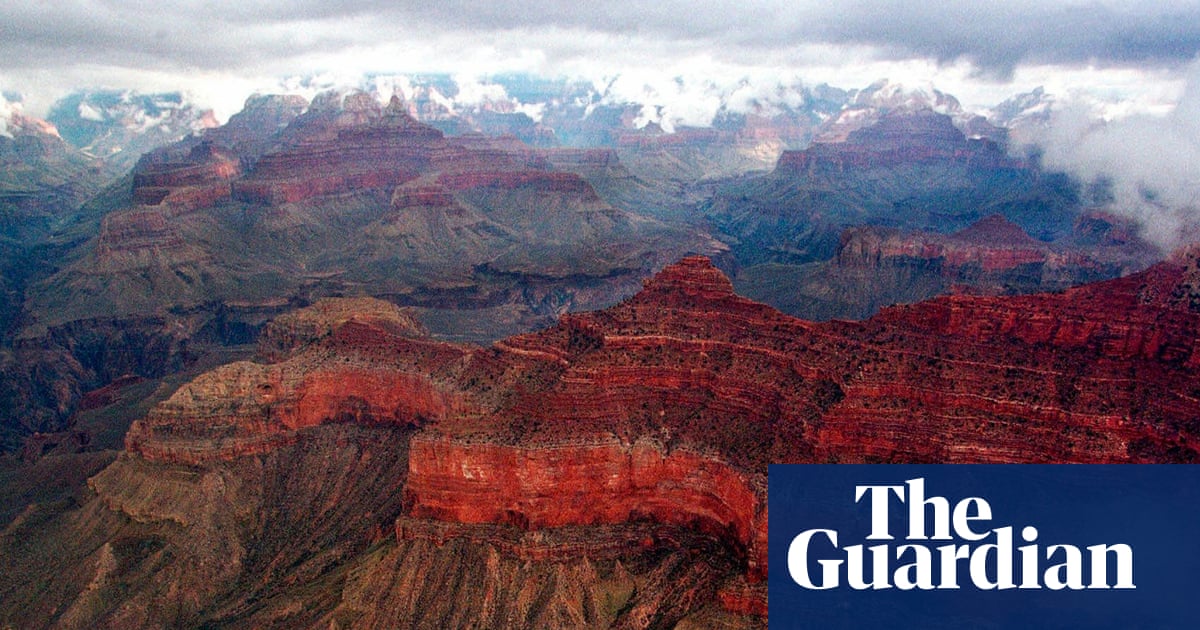
Extreme heat is forecast for the lower Grand Canyon starting Monday, with temperatures expected to reach up to 112F and an extreme heat watch in effect from 10am Monday through 7pm Tuesday. The National Park Service said three hikers recently died in separate heat-related incidents in the park, underscoring elevated risk for outdoor activity. Broader heat advisories and watches are also in effect across parts of the US, including Oregon, California, Texas, Alaska, Puerto Rico, Florida, Arkansas, Oklahoma and New Mexico.
The immediate market read is less about direct earnings impact and more about operational friction in any business that depends on discretionary outdoor activity, field labor, or regional travel in the Southwest. Heat events like this tend to create a short-lived but sharp demand shock in park-adjacent lodging, tour operators, shuttle services, and fuel-intensive road travel, while also raising overtime, insurance, and worker-safety costs for local employers. The second-order effect is that repeated fatal incidents can permanently suppress visitation at the margin, because consumers respond more to perceived safety than to average weather.
The larger tradeable implication is that climate volatility is no longer a tail risk for leisure demand; it is a recurring event risk that can re-rate occupancy assumptions in exposed destinations during peak season. Hotels and attractions with strong indoor substitution, higher altitude, or more flexible cancellation policies should outcompete those tied to fixed outdoor itineraries. In contrast, local governments and park operators face a widening capex burden around cooling, hydration, transport, and emergency response infrastructure, which may pressure budgets without creating visible revenue upside.
From a timing perspective, the near-term catalyst window is days to a couple of weeks, but the investment case extends through the summer as heat maps broaden across the U.S. The key reversal is a sustained cool-down that restores normal hiking and travel behavior; absent that, each new incident reinforces a negative feedback loop on visitation and media coverage. The market is likely underestimating how quickly reputational damage can persist even after temperatures normalize, particularly for destination brands with limited alternate-season demand.
The contrarian angle is that the obvious bearishness on travel may be overdone for diversified national names: some spend may shift rather than vanish, benefiting indoor entertainment, urban hotels, and airlines serving alternative destinations. The more durable loser is not the whole leisure complex but the subset with high exposure to outdoor-only experiences and fragile local infrastructure. That creates a cleaner relative-value setup than a broad macro short.
AI-powered research, real-time alerts, and portfolio analytics for institutional investors.
Request DemoOverall Sentiment
moderately negative
Sentiment Score
-0.45
