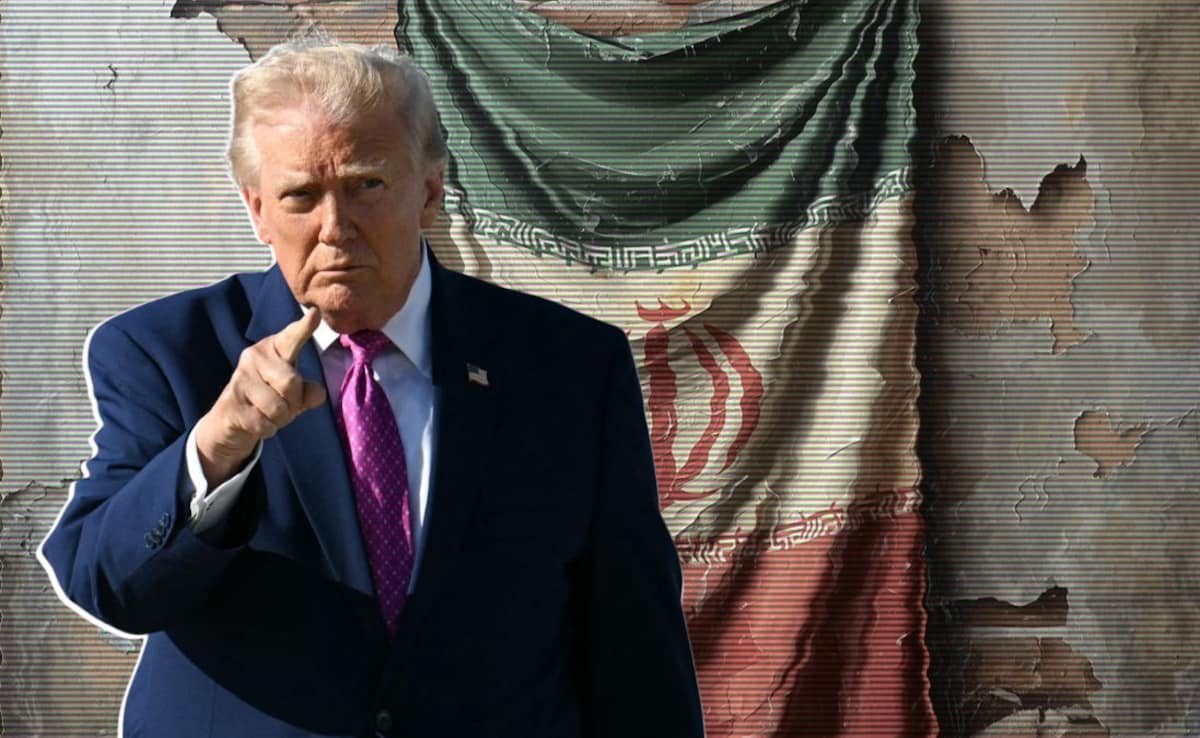
The article highlights renewed US-Iran nuclear tensions, with Trump seeking a tougher deal after the 2018 JCPOA withdrawal allowed Iran to expand enrichment and stockpiles. Iran is now reported to hold about 11 tonnes of uranium in total, including roughly 0.5 tonnes enriched near weapons-grade levels, while US demands to halt enrichment and surrender stockpiles have been rejected. The broader geopolitical risk extends to Middle East stability and the Strait of Hormuz, a critical global oil chokepoint.
The market implication is less about an immediate oil shock and more about a rising probability of a persistent, low-grade risk premium across energy, shipping, and defense. The key second-order effect is optionality: once negotiations widen from enrichment to missiles and waterways, the odds of a clean diplomatic off-ramp fall sharply, which makes even a modest escalation meaningful for forward curves and tanker insurance rather than spot barrels alone. That tends to favor upstream cash generators and military contractors while punishing airlines, chemical margins, and any importer with high Gulf exposure.
The bigger underappreciated risk is timeline compression. If talks stall for weeks, the market can still price it as noise; if they fail over the next 1-3 months, you likely get a jump in implied volatility across crude, freight, and defense headlines well before any physical disruption. The most fragile point is the Strait of Hormuz narrative: even without a closure, repeated threats can lift Baltic-class shipping costs and widen regional differentials, which is usually more tradable than the headline oil move itself.
The contrarian read is that the “maximum pressure” setup may be asymmetrically bearish for the dollar value of sanctions if Iran has already dispersed and hardened enough material to make coercion less effective. In that case, the real market outcome is not a breakout conflict but a longer period of elevated tension that supports oil-call convexity and defense multiples while keeping crude from fully repricing because producers outside the region can offset. That argues for buying optionality on volatility rather than a naked directional bet on immediate supply loss.
AI-powered research, real-time alerts, and portfolio analytics for institutional investors.
Request DemoOverall Sentiment
mildly negative
Sentiment Score
-0.15
Ticker Sentiment
