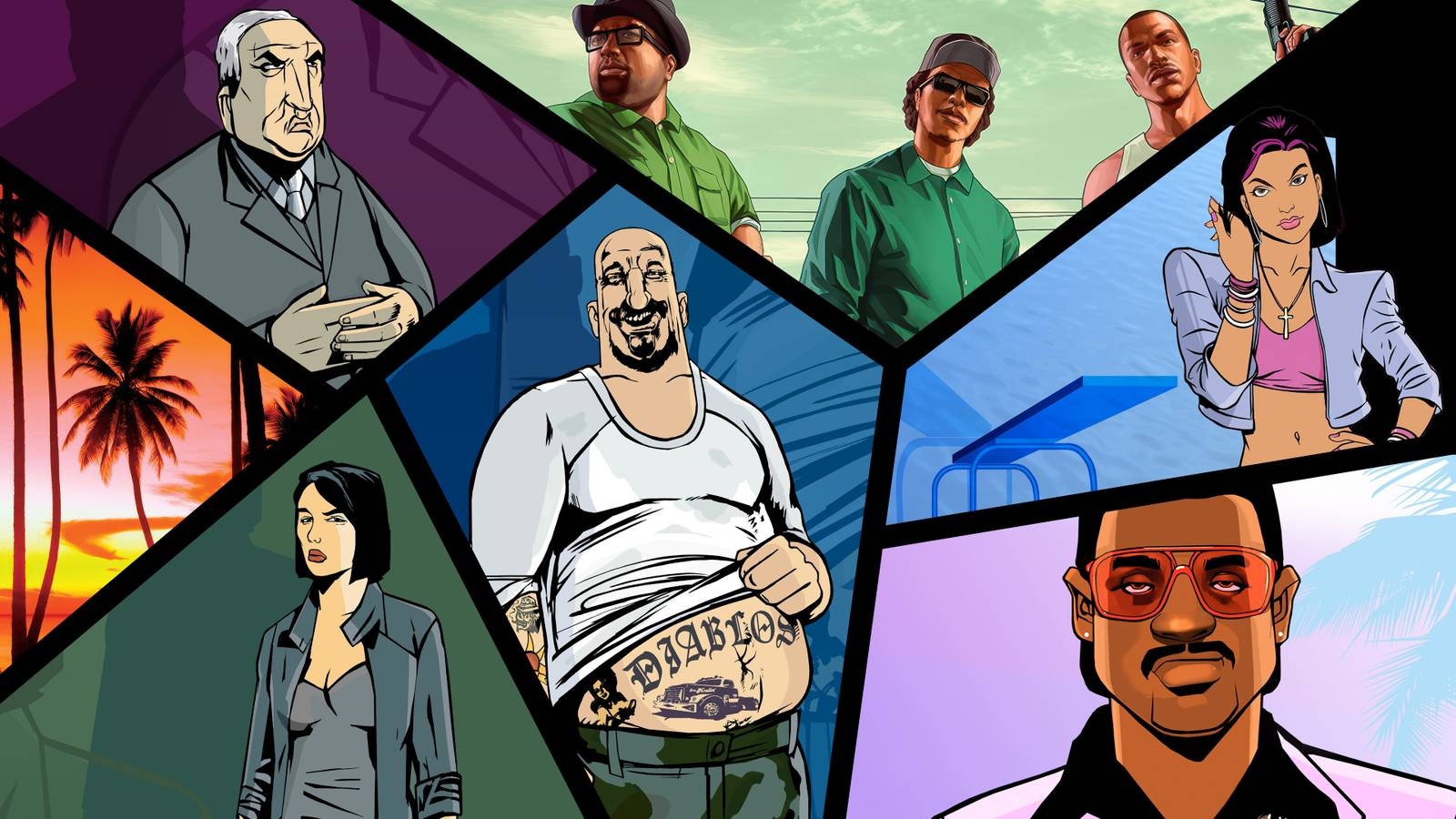
Grove Street Games unveiled Beastlink, a new 32-player multiplayer title featuring destructible cities and Kaiju combat, developed by a studio known for Rockstar game ports since 2011. The article also notes market attention on Grand Theft Auto 6 and remarks from Take-Two CEO Strauss Zelnick about fan expectations, but it does not provide financial results or material corporate updates. Overall, the piece is more industry commentary than price-sensitive news.
This reads less like a direct catalyst for public gaming equities and more like a signal about the value of legacy production talent in a market that increasingly prices IP, not execution. If a studio best known for porting can credibly move into a chaotic multiplayer sandbox, it reinforces the idea that experienced teams can monetize dormant competence outside the mega-franchise loop — a subtle positive for smaller AA/indie publishers with owned engines, multiplayer tech, or mod-friendly tools. The second-order effect is competitive: the bar for “GTA-adjacent” attention remains extremely high, so any new open-world title will likely be measured against Rockstar’s cadence, not just its concept.
The real market variable is not Beastlink itself, but sentiment spillover around GTA 6 expectations. When a large fan base is conditioned to expect near-term news, the asymmetry is in disappointment risk: a non-event at the upcoming earnings call or a missed trailer window can create a short, sharp reset in sentiment that matters more for the streaming/creator ecosystem than for Take-Two fundamentals. That creates a tradable window where implied hype can unwind faster than sell-side estimates, particularly if management guidance stays unchanged and investors realize the release calendar is still binary over months, not days.
The contrarian read is that investors may be overvaluing headline association with Rockstar alumni and underestimating how little translation there is from porting expertise to launching a durable live-service hit. But if Beastlink gains any real traction, it could re-rate the market’s view on whether mid-sized studios can produce networked multiplayer experiences without the capex burden of AAA development. The upside case is more about talent repricing and acquisition optionality across the sector than about one title’s unit sales.
AI-powered research, real-time alerts, and portfolio analytics for institutional investors.
Request DemoOverall Sentiment
neutral
Sentiment Score
0.10
