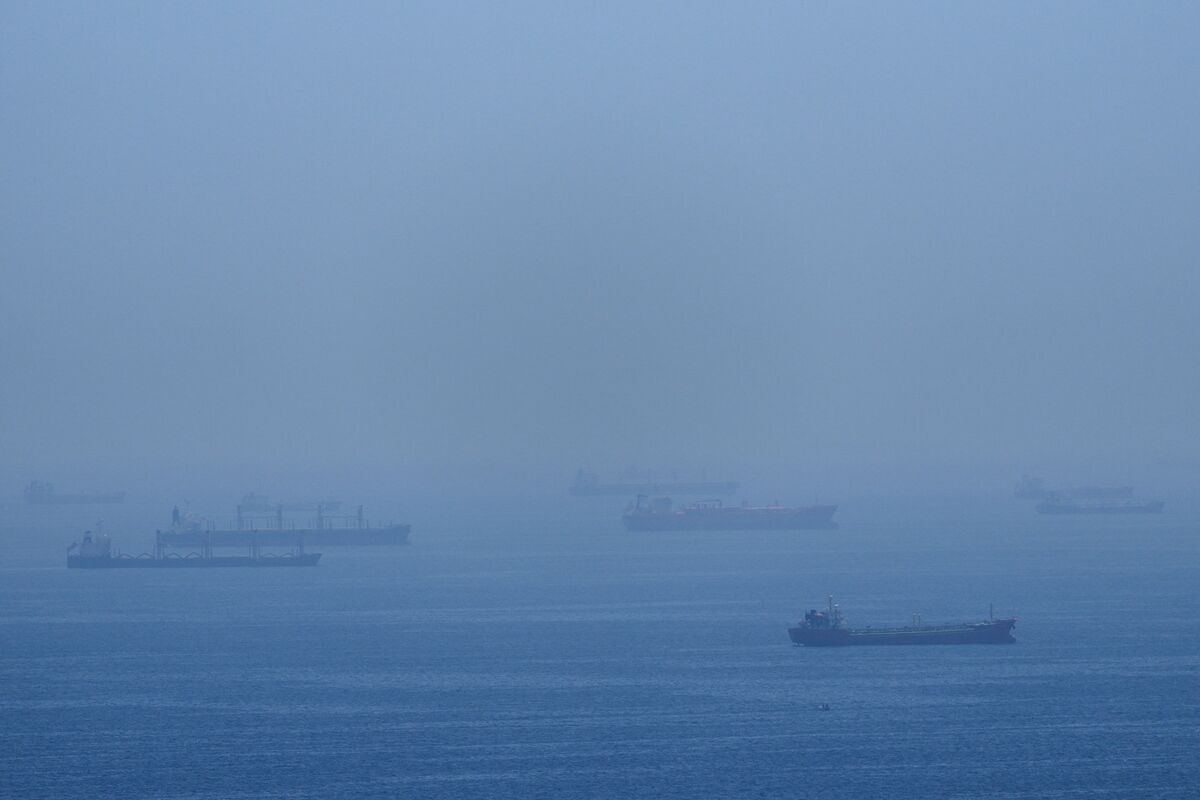
The Strait of Hormuz has been effectively closed for more than three months amid the US-Israel war with Iran, disrupting exports of oil, gas, and other commodities from the Persian Gulf. The blockage has squeezed global supplies and pushed prices materially higher, creating a significant shock to energy and shipping markets. This is a market-wide geopolitical event with broad inflationary and supply-chain implications.
The macro consequence is not just a crude-price spike; it is a forced repricing of global delivery optionality. When a chokepoint stays impaired for months, the market stops treating it as a headline-risk event and starts capitalizing working-capital drag, inventory hoarding, and freight rerouting into every upstream and downstream margin model. That is negative for energy importers, refiners dependent on prompt cargoes, and any industrials with low inventory buffers; it is quietly positive for firms that own storage, optional logistics, and alternative export routes.
The second-order winner set is broader than upstream producers. Tanker owners, coastal storage, LNG infrastructure outside the Gulf, and non-Middle East crude exporters gain negotiating leverage because buyers need flexibility more than spot cheapest supply. Conversely, airlines, chemicals, and European-heavy manufacturing face a double hit: higher feedstock costs and higher financing costs if the inflation impulse delays rate cuts. The strongest relative loser is likely the “just-in-time” supply chain complex, because the shock turns transportation into a strategic input rather than a pass-through cost.
Catalyst risk is asymmetric. A credible ceasefire or reopening could unwind a large portion of the premium in days, but the physical replenishment cycle for inventories and freight contracts takes weeks to months, so realized margins lag the headline. The market is likely underestimating how long insurance, rerouting, and precautionary stocking can keep prices elevated even after the waterway partially normalizes. The contrarian view is that the move may be overextended in the most obvious longs: if the deal materially reduces attack probability, the speed of financial de-risking could be faster than the speed of physical supply recovery, creating a sharp, tradable air pocket lower in energy and shipping vol.
AI-powered research, real-time alerts, and portfolio analytics for institutional investors.
Request DemoOverall Sentiment
strongly negative
Sentiment Score
-0.75
