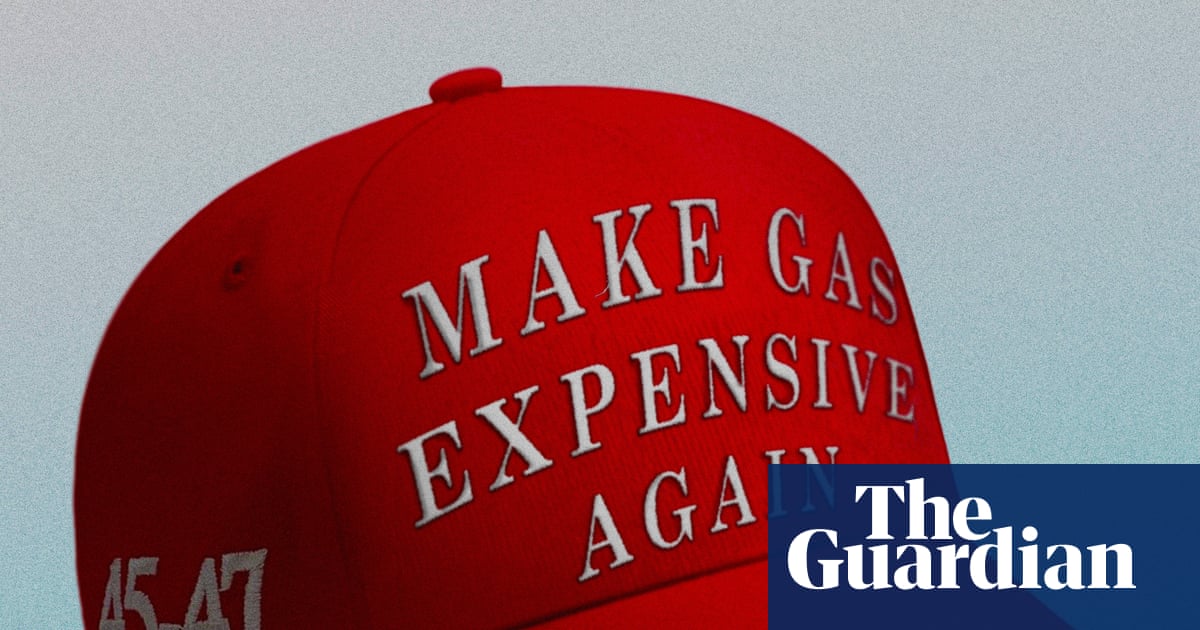
Oil has surged above $100/bl and European gas prices have doubled after the Iran conflict, despite a 400m-barrel IEA release; analysts warn Iran could push oil toward $170–$200/bl in a prolonged war. Barclays estimates a sustained $100 oil scenario would shave ~0.2pp off global growth (to 2.8%) and add ~0.7pp to headline inflation (to 3.8%), while supply constraints are already hitting fertiliser, chemicals, helium and manufacturing supply chains. Central banks face pressure to tighten further even as growth weakens, raising the risk of stagflation and prompting risk-off positioning across markets.
The shock has moved from a pure energy-price story to a cascading feedstock crisis: refined-product tightness transmits into fertiliser, specialty gases and petrochemical margins through constrained naphtha/propane chains, creating acute bottlenecks in the next 3–6 months ahead of seasonal demand peaks. Firms with flexible feedstock access or long-term tolling contracts will capture outsized margins; downstream processors with spot feedstock exposure will see margin compression and margin call risk.
Monetary policy faces an asymmetric dilemma that raises short-term real-rate volatility: an inflation spike forces central banks toward tighter policy while growth risk simultaneously increases recession probability, implying a higher chance of whipsaw moves in 2‑ to 10‑year yields over the next 1–3 quarters. This increases funding stress for levered credit lines and private-credit structures that lack market liquidity, elevating a non-linear default tail even if headline corporates remain intact.
Market positioning is ripe for cross-asset dispersion: commodity cyclicals and select fertiliser/chemical names can rally materially while high-multiple growth and leveraged credit underperform; freight, insurance and specialty gas suppliers become optionality plays. Key near-term catalysts include policy responses on shipping protection and export controls, SPR dynamics, and spring-season inventory decisions — any of which could flip the sector narrative within weeks.
Assign a non-trivial (>25%) probability to a protracted supply-disruption regime over 6–12 months that produces stagflation-style outcomes (higher structural input costs + weaker activity), and size exposures accordingly with tight, event-driven risk controls.
AI-powered research, real-time alerts, and portfolio analytics for institutional investors.
Request DemoOverall Sentiment
strongly negative
Sentiment Score
-0.62
Ticker Sentiment
