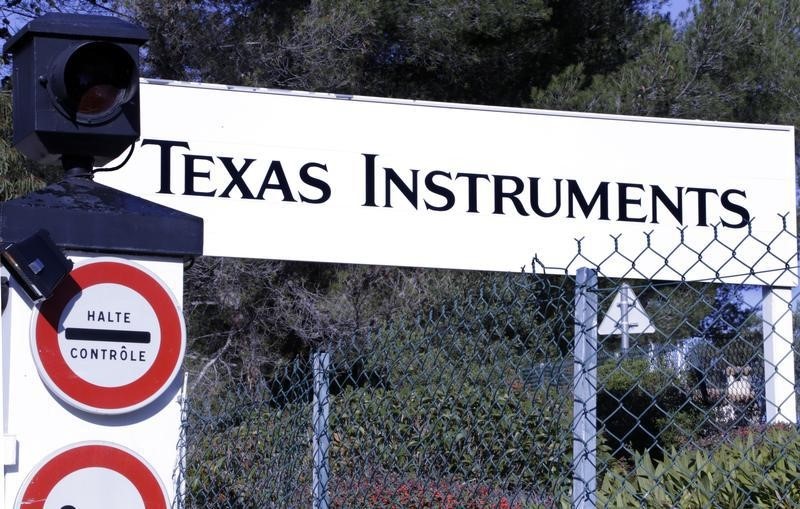
Silicon Laboratories shareholders approved Texas Instruments’ all-cash acquisition, a $231-per-share deal valuing SLAB at about $7.5 billion. The merger vote passed overwhelmingly, with 25,878,105 votes in favor versus 7,467 against, and the transaction remains subject to customary regulatory approvals, with closing expected in 1H 2027. Texas Instruments’ outlook was also cut to negative by Moody’s, though its Aa3 senior unsecured rating was affirmed.
The market is effectively pricing SLAB as a closing arb with a long-dated option on deal completion, but the better read is that the equity now trades like a regulatory headline instrument rather than a fundamentals story. With the stock near the cash consideration, upside from here is small unless the spread widens on antitrust noise or financing skepticism; the real asymmetry is on the downside if the process stretches into 2027 and carry turns negative. For TXN, the strategic logic is solid, but the deal adds a layer of execution risk at a point where semiconductor end-demand is already cyclical, so the market will likely continue to discount near-term multiple expansion until closing certainty improves.
Second-order, this is a benign-to-positive signal for large-cap analog consolidation, but not uniformly. If regulators scrutinize embedded wireless connectivity overlap, the more likely pressure point is not the headline buyer but adjacent peers and suppliers that could become bargaining chips in a broader review, creating temporary dislocation in RF/industrial analog names. For suppliers into either company, the relevant catalyst is not the vote itself but the integration timeline: procurement normalization, design-win rationalization, and potential capex deferral tend to show up 2-4 quarters before reported synergy benefits.
The contrarian view is that the positive sentiment may already be fully reflected in SLAB, while TXN’s rating outlook shift signals that leverage tolerance is getting tighter just as management takes on a strategic asset with integration risk. That makes the deal less attractive as a simple long TXN versus short nothing trade; the more interesting setup is to fade complacency in the buyer if credit spreads widen or the market starts to penalize capital allocation discipline. If closing slips, SLAB could quickly reprice as a duration asset, with a meaningful discount opening up in the 5-10% range on any regulatory setback.
AI-powered research, real-time alerts, and portfolio analytics for institutional investors.
Request DemoOverall Sentiment
moderately positive
Sentiment Score
0.55
Ticker Sentiment
