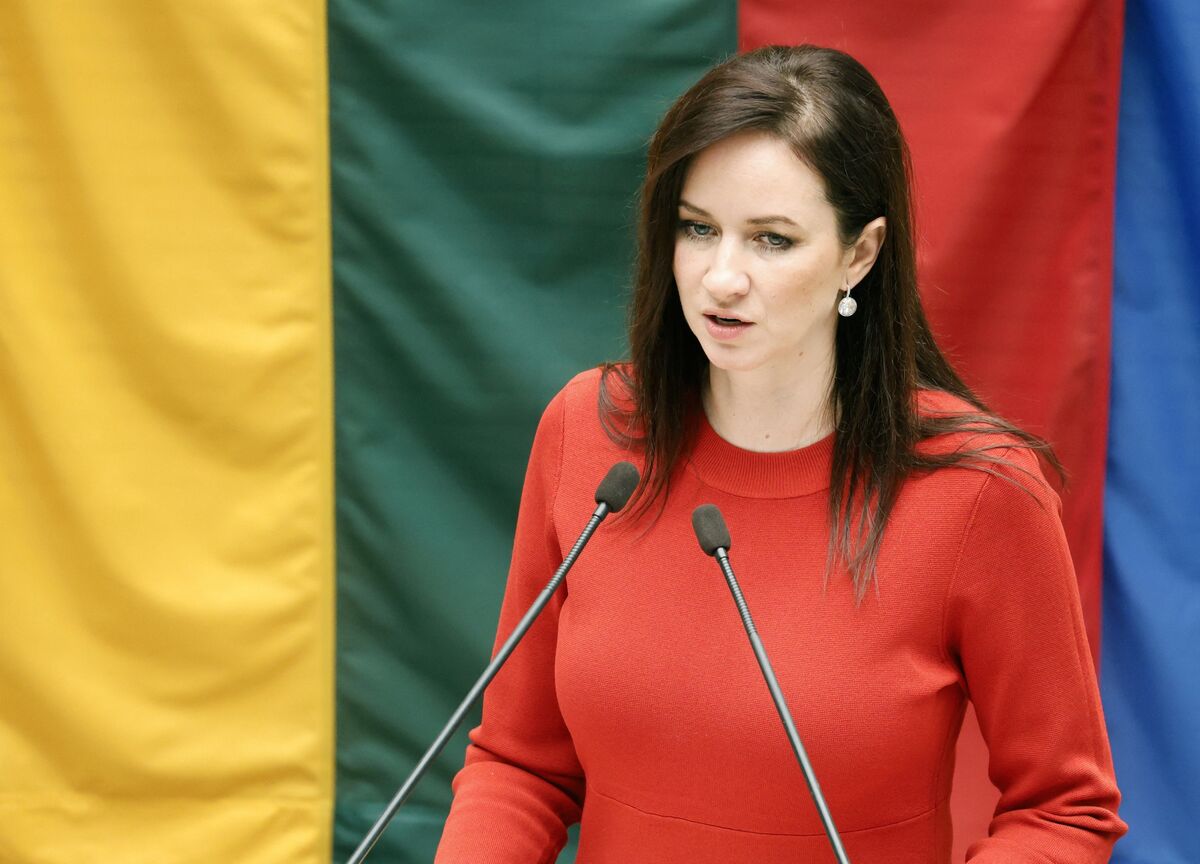
Lithuanian lawmakers have approved a new three-party coalition government, led by Social Democrat Inga Ruginiene, with an 80-40 vote amidst ongoing protests in Vilnius. This development aims to resolve months of political instability stemming from public uproar over the inclusion of a party whose leader faces accusations of antisemitic remarks, potentially signaling a return to political calm.
Lithuania has moved to resolve a period of political instability with the parliamentary approval of a new three-party coalition government. The successful 80-40 vote installs an alliance led by Social Democrat Inga Ruginiene, concluding months of public unrest. This instability was driven by protests in Vilnius against the inclusion of a party whose leader faces allegations of antisemitism. The market's reception to this development is characterized as mildly positive with a low impact score of 0.25, suggesting that while the restoration of a functioning government is welcome, the event is not perceived as a major economic catalyst. The primary implication is a reduction in near-term political uncertainty, which had been a headwind for the country's risk profile.
AI-powered research, real-time alerts, and portfolio analytics for institutional investors.
Request DemoOverall Sentiment
mildly positive
Sentiment Score
0.25
