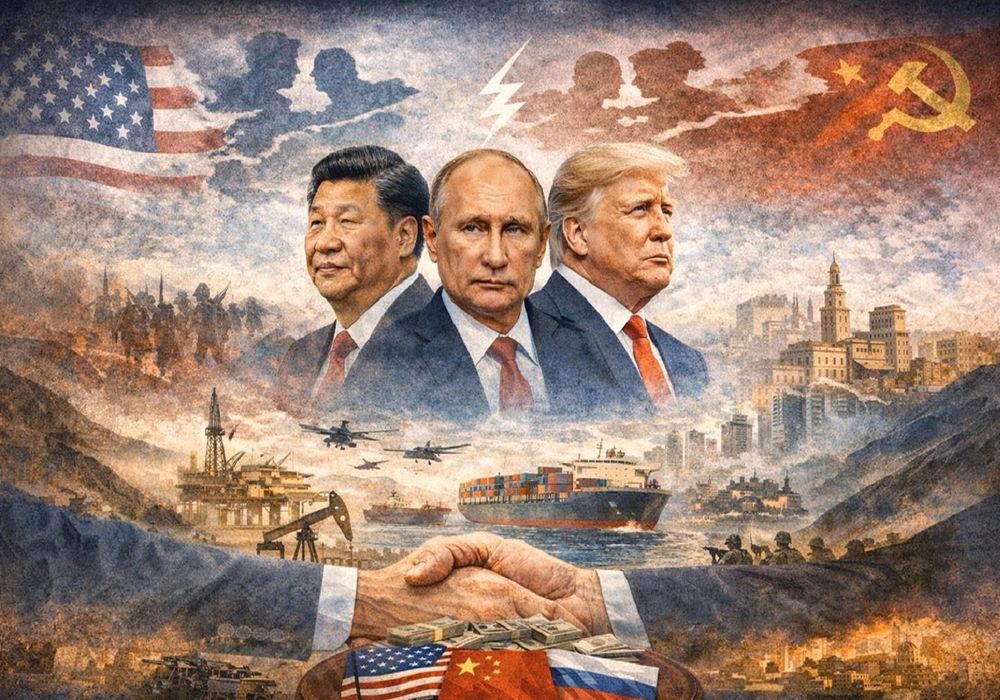
A coordinated, low-escalation operation in Venezuela (cited 3 January 2026) exemplifies a US–China 'oil-for-neutrality' transaction in which Washington secured commitments to honor China’s oil-backed debt and protect CNPC-linked interests while enabling US firms to rehabilitate energy infrastructure. The article argues this 'transactional realism' — paralleled by Syria (2024) and tacit US–Russia trades over Ukraine — signals a shift toward price-based geopolitics that elevates sovereign-debt, energy‑supply and regional political risk for holders of PDVSA-linked assets, CNPC contracts and investors with exposures in Latin America, Europe and East Asia.
Market structure: Transactional realism tilts near-term winners toward integrated oil majors, Western E&P services and US defense/logistics contractors that can win rebuilding contracts, while ideologically aligned sponsors and unilateral sanction-reliant actors are net losers. If Venezuela can restore 0.3–0.8 mbpd over 12–36 months, expect downward pressure on Brent of roughly $2–$6/bbl versus a no-restoration baseline, shifting pricing power to refiners of heavy sour crude and lowering spot premia.
Risk assessment: Immediate (days) risk is a sharp volatility spike around announcements; short-term (weeks–months) risk is political reversal or targeted sanctions; long-term (quarters–years) risk is normalization of spheres that raises structural geopolitical risk premia for Europe/Asia. Tail scenarios: (1) US–China deal collapses → new sanctions and oil outages (+$10+/bbl shock), (2) restoration stalls due to operational sabotage → protracted supply tightness; hidden dependency: production recovery depends on PDVSA technician retention and CNPC contract enforcement.
Trade implications: Trade the event: buy short-dated WTI/Brent straddles for announcement windows, then shift to a 3–12 month short-front/long-12m Brent calendar expecting $2–5/bbl roll-down. Buy selective exposure to XOM/CVX (see sizing below) as reconstruction/contract wins are likely; consider 1% tactical distressed allocation to PDVSA/sovereign paper triggered by legal confirmation of debt-honour deals.
Contrarian angles: Consensus underestimates probability that operational, logistical and workforce constraints limit Venezuelan ramp-up for 24–36 months—if true, oil will remain structurally supported and a short-front trade could blow up. Historical parallel: Iraq/Libya restarts were slow (18–36 months); unintended consequence: Latin American political backlash could spawn protectionism, raising capex/costs for Western contractors and reducing upside for onshore rebuild bets.
AI-powered research, real-time alerts, and portfolio analytics for institutional investors.
Request DemoOverall Sentiment
moderately negative
Sentiment Score
-0.40
