

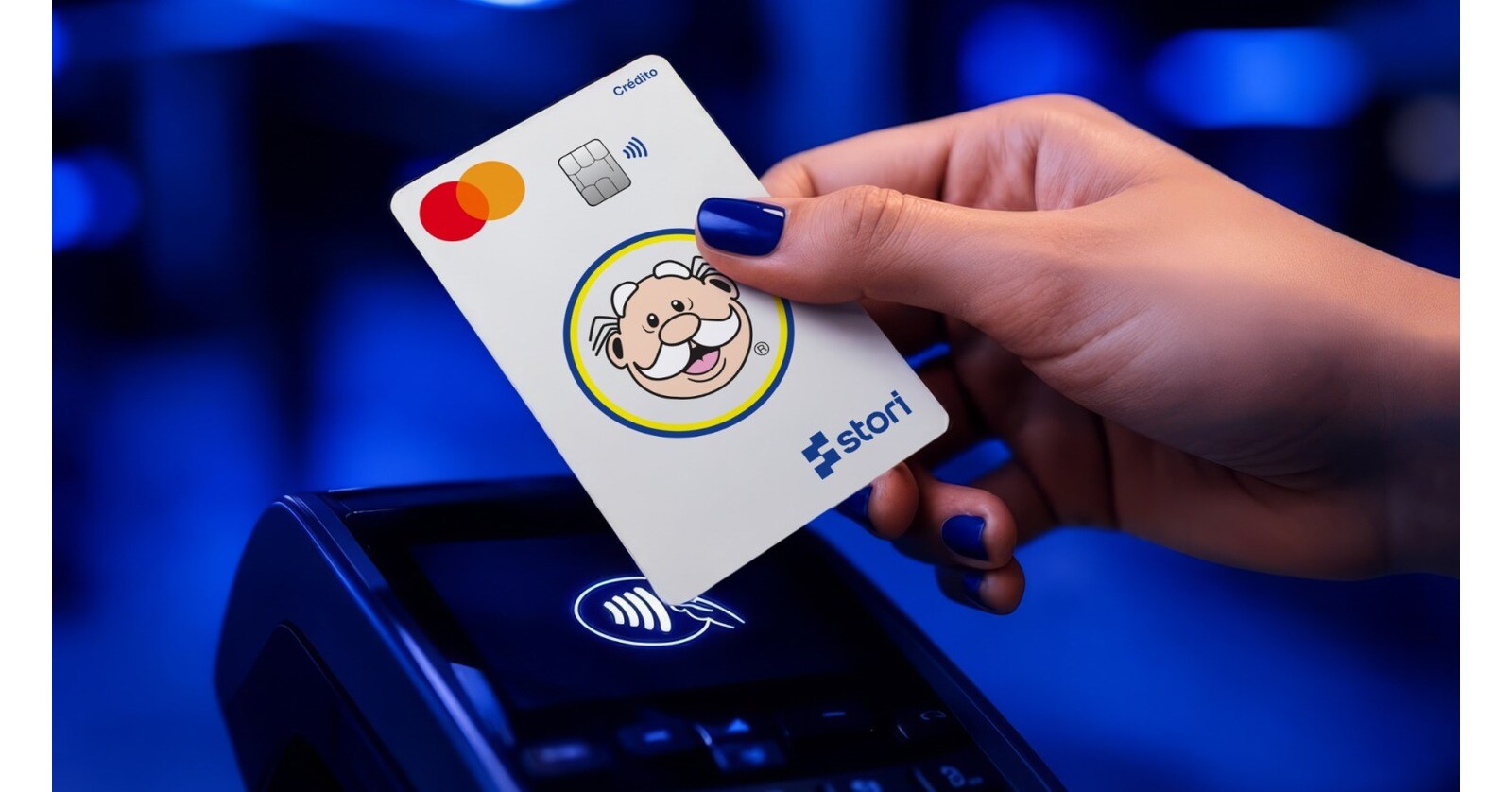
Stori and Farmacias Similares launched the co-branded Dr. Simi credit card, offering no annual fee and approval in minutes to Mexico’s estimated 50 million unbanked adults. The card provides 25% off the first purchase plus 2% back across the Mundo Simi ecosystem, and up to 10% monthly at the pharmacy, and it can be used at 11,000+ Farmacias Similares locations and other merchants. The move expands fintech distribution through a trusted retail brand and signals incremental customer growth for Stori (~5 million existing users).
The economically relevant winner is not the private issuer but the distribution layer: a trusted, high-frequency consumer brand can lower acquisition costs and improve early usage conversion in a segment where banks have historically paid too much to underwrite too little. If the card is attached to essential spend, the first-order effect is more transaction volume; the second-order effect is better borrower data, which can make the portfolio cheaper to acquire than a generic unsecured-card book and eventually more valuable than a one-off promo.
The main risk is that “inclusion” is being mistaken for quality. Fast approval into a cash-constrained population can look like penetration in month one and then show up as roll-rate deterioration in months two to four; that matters far more than signup counts. If loss curves steepen, the economics shift from a growth story to a funding-cost and collections story, and any valuation premium on the fintech layer should compress quickly.
For public markets, the cleanest exposure is the payment rail and, secondarily, lenders with Mexico optionality rather than domestic banks that are largely insulated near term. The contrarian view is that the pharmacy partner may capture the highest-multiple asset: foot traffic, basket expansion, and consumer data, while the balance-sheet risk sits with the issuer. The trade works only if early cohorts prove materially better than typical unsecured-finance vintages; otherwise this is a marketing story, not a margin story.
AI-powered research, real-time alerts, and portfolio analytics for institutional investors.
Overall Sentiment
mildly positive
Sentiment Score
0.35
Ticker Sentiment
