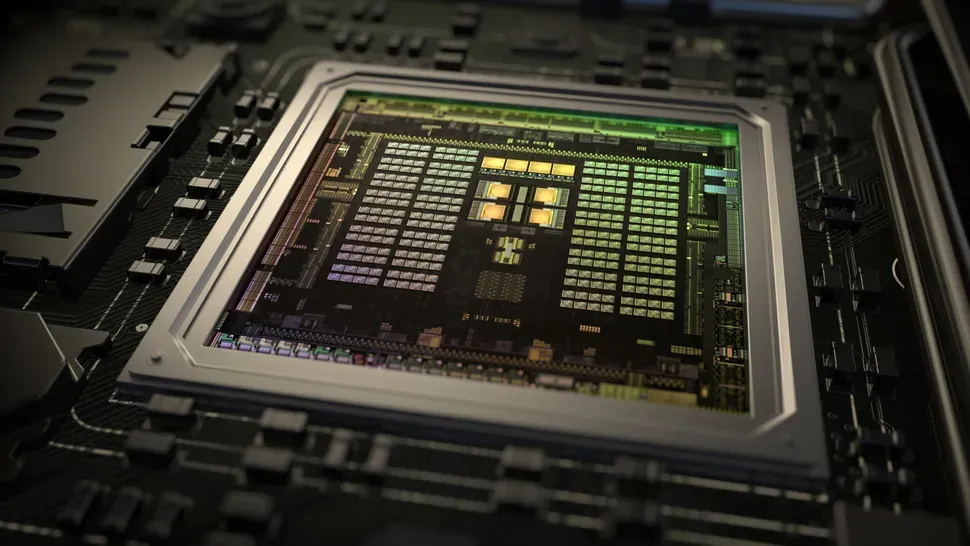
Nvidia and Microsoft jointly teased "a new era of PC" ahead of Computex 2026, fueling speculation that the rumored N1X laptop platform could debut as a Windows on Arm system. If confirmed, the partnership would extend Nvidia's GB10-class AI hardware into the Windows ecosystem and could enable new local AI experiences beyond current Copilot+ PCs. The article is largely speculative, but it highlights a potentially meaningful product and platform expansion for both companies.
This reads less like a one-off product tease and more like the start of a platform claim battle: NVIDIA is trying to move Windows-on-Arm from “compatibility story” to “premium local-AI workstation story.” If Microsoft visibly backs it, the key beneficiary is MSFT because it can anchor a differentiated Copilot/Recall-style stack around hardware that actually has enough unified memory and GPU bandwidth to make on-device models usable. The second-order effect is that the value shifts from pure CPU performance to software enablement, which is where Qualcomm’s current Windows-on-Arm moat is most vulnerable.
The market is likely underestimating how narrow the initial TAM could be. These systems will probably be too expensive for mainstream consumers and too compromised for serious gamers, so early demand is more likely from developers, creators, and AI power users who care about local inference and CUDA-adjacent workflows. That makes the launch more important for ecosystem signaling than near-term units: if Microsoft uses N1X to validate a new class of local AI features, it could pull enterprise refresh cycles forward over the next 2-4 quarters even if volumes stay small.
The main bear case is substitution, not adoption. High-end AMD laptop APUs already cover the “good enough local AI PC” narrative, and any Windows-on-Arm friction still imposes a tax on app compatibility that will suppress mass-market conversion. If N1X is priced like a halo product, it risks becoming a tech-demo with limited earnings relevance for NVIDIA while potentially forcing Microsoft to subsidize software ambitions with little hardware scale.
The contrarian setup is that this may be more bullish for MSFT than NVDA in the medium term: NVIDIA gets the publicity, but Microsoft controls whether the experience becomes sticky and enterprise-relevant. If the reveal includes a software stack beyond generic Copilot+ branding, the real re-rating catalyst would be evidence of a Windows AI workload that requires this class of silicon and cannot run well on existing x86 laptops.
AI-powered research, real-time alerts, and portfolio analytics for institutional investors.
Request DemoOverall Sentiment
mildly positive
Sentiment Score
0.25
Ticker Sentiment
