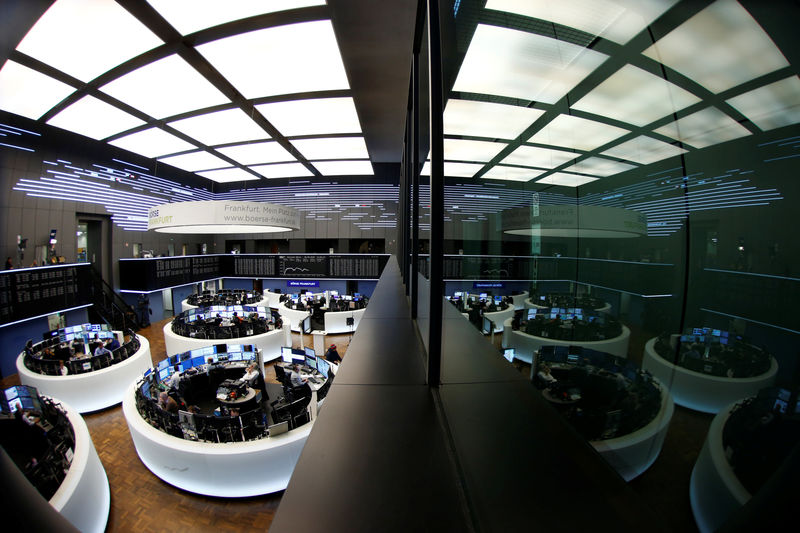
German equities finished modestly higher, with the DAX up 0.13%, the MDAX up 0.94% and the TecDAX up 0.11%. Aixtron surged 8.42% to an all-time high of 57.20, while Puma rose 6.19% to a 52-week high; Fresenius fell 2.28% to a 52-week low. Outside equities, the DAX volatility index rose 0.64% to 19.55, gold dropped 1.47% to $4,468.34, crude oil fell 3.89% to $90.24, and EUR/USD was flat at 1.16.
The tape is signaling a classic late-cycle rotation inside Europe: capital is crowding into high-beta industrial/tech hardware while defensives and energy-linked names are being de-rated. The key second-order effect is not the outright index level, but the widening dispersion between AI/automation enablers and everything tied to slower end-demand or input-cost sensitivity. When leadership narrows this sharply, follow-through tends to be driven more by passive/quant flows than fundamentals for several sessions, which can keep momentum names extended longer than valuation would normally allow. Aixtron’s breakout matters because it likely reflects more than just sympathy with the AI buildout; it suggests investors are extrapolating a multi-quarter capex cycle into the semiconductor equipment ecosystem. That creates a potential squeeze in adjacent supplier chains, especially niche equipment, materials, and precision manufacturing names that have operating leverage but less visibility. The risk is that this becomes a “good order book, bad guidance” setup: if foundry/packaging customers pause orders even modestly, these names can give back a large portion of recent gains quickly because positioning is likely crowded and expectations have reset upward. On the loser side, the move in utilities/defensives and the weakness in energy look like a macro risk-off signal rather than a pure sector story. Falling oil and softer gold usually relieve near-term inflation anxiety, which can support duration-sensitive growth names, but they also reduce the urgency for owning cash-yielding defensive balance sheets. That said, lower crude also tightens the feedback loop on industrial input costs and transport margins, which could later benefit consumer cyclicals if the commodity decline persists for several weeks. The contrarian read is that the market may be overpaying for the AI supply-chain “arms dealers” while underappreciating the lag in actual earnings conversion. Hardware beneficiaries can keep outperforming for 1-3 months even if final demand is not yet visible, but the inflection point is usually when investors stop rewarding bookings and start demanding free cash flow. The best setup is therefore not chasing strength indiscriminately, but pairing momentum names against the most rate-sensitive or capital-intensive laggards.
AI-powered research, real-time alerts, and portfolio analytics for institutional investors.
Request DemoOverall Sentiment
neutral
Sentiment Score
0.10
