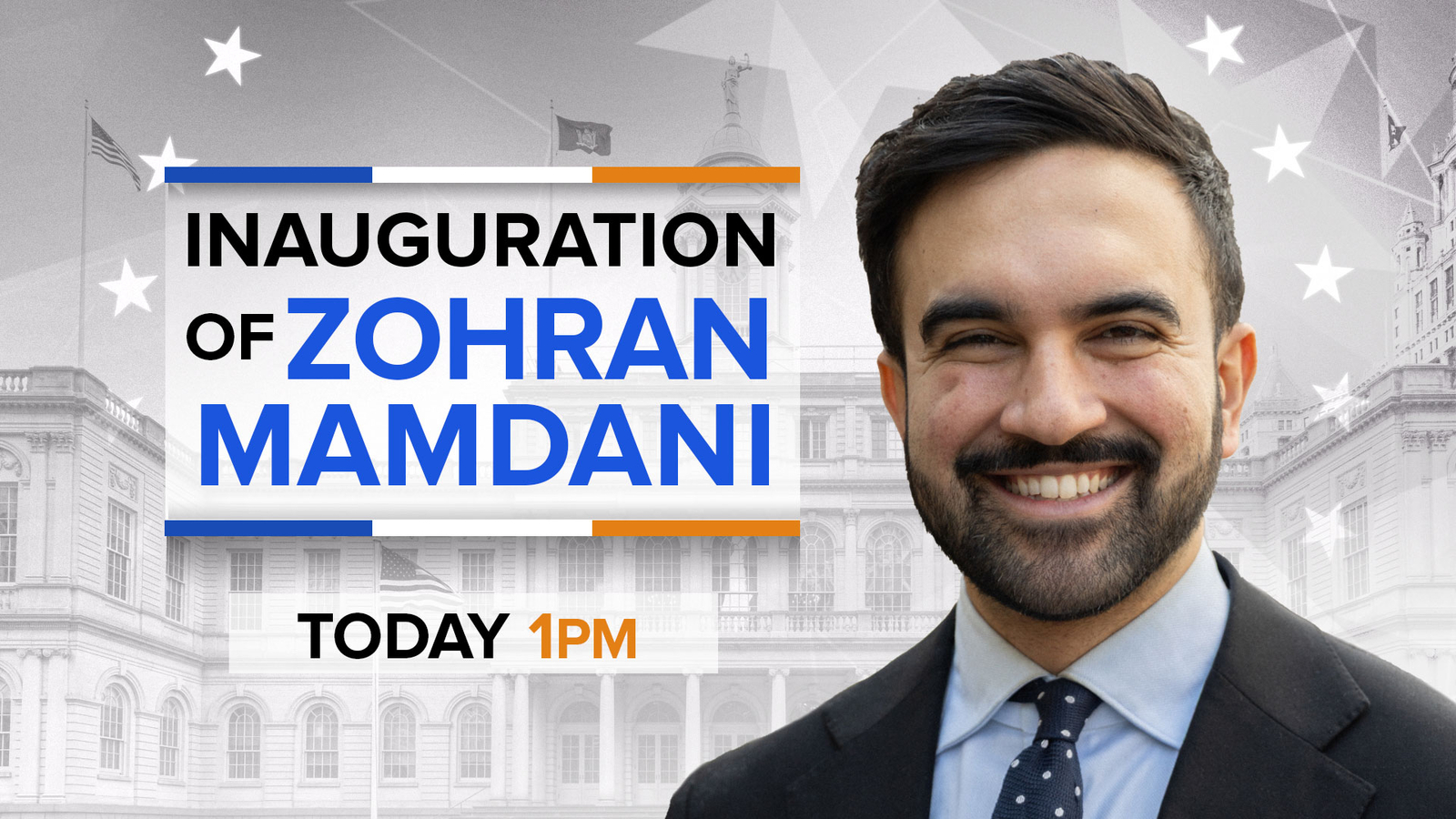
Zohran Mamdani, the incoming 34-year-old mayor of New York City, will take his midnight oath in a closed subway station using a centuries-old Quran from the New York Public Library’s Schomburg Center and family Qurans, marking the city's first Muslim, first South Asian and first African-born mayor. The ceremony underscores symbolic shifts in the city's political demographics and has prompted both praise for representation and conservative backlash; the Schomburg manuscript will be displayed publicly after the inauguration. While historically and politically significant for New York civic life, the event carries negligible direct market or macroeconomic implications.
Market structure: A progressive, affordability-first NYC mayor increases downside risk to landlords and developers concentrated in Manhattan/Brooklyn; winners are local cultural institutions, grassroots service providers, and affordable-housing contractors. Expect a modest re-pricing of NYC-specific residential REITs and regional property developers (potentially -5% to -15% versus national peers if rent policy proposals advance within 6–12 months). Muni capital markets could see a small spread widening vs Treasuries (10–30bp) on increased municipal issuance or perceived fiscal pressure.
Risk assessment: Tail risks include rapid enactment of stronger rent controls or city-level tax increases (low probability but >10% within 12 months) that would materially cut NOI for NYC-focused landlords, or legal/state pushback that reverses policies. Immediate market moves should be muted (days); short-term (weeks–months) will price political risk; structural valuation effects arrive over quarters–years as cash flows adjust. Hidden dependencies: NY State Legislature and City Council retain major levers—mayoral intent is necessary but not sufficient.
Trade implications: Favor targeted, small-duration short exposure to NYC-centric residential landlords (Equity Residential EQR, AvalonBay AVB) and select Manhattan office owners (SL Green SLG) while hedging with national Sunbelt landlords (MAA). Use options to cap downside: 3–6 month put spreads on EQR/SLG sized 0.5–1% portfolio. Watch NYC 10y GO vs UST; if spread >25bp wider in 90 days, increase short exposure and cut muni duration.
Contrarian angles: The market may overstate the mayor’s unilateral power—historical parallels (e.g., post-2006 Ellison oath) showed limited lasting financial impact. Shorting broad NYC assets indiscriminately is likely overdone; prefer concentrated relative-value shorts vs national peers and event-driven option hedges. Unintended consequence: heavy selling could create a buying opportunity if policy proposals fail to pass, so keep positions nimble with 8–12% stop-losses or clear legislative triggers.
AI-powered research, real-time alerts, and portfolio analytics for institutional investors.
Request DemoOverall Sentiment
neutral
Sentiment Score
0.00
