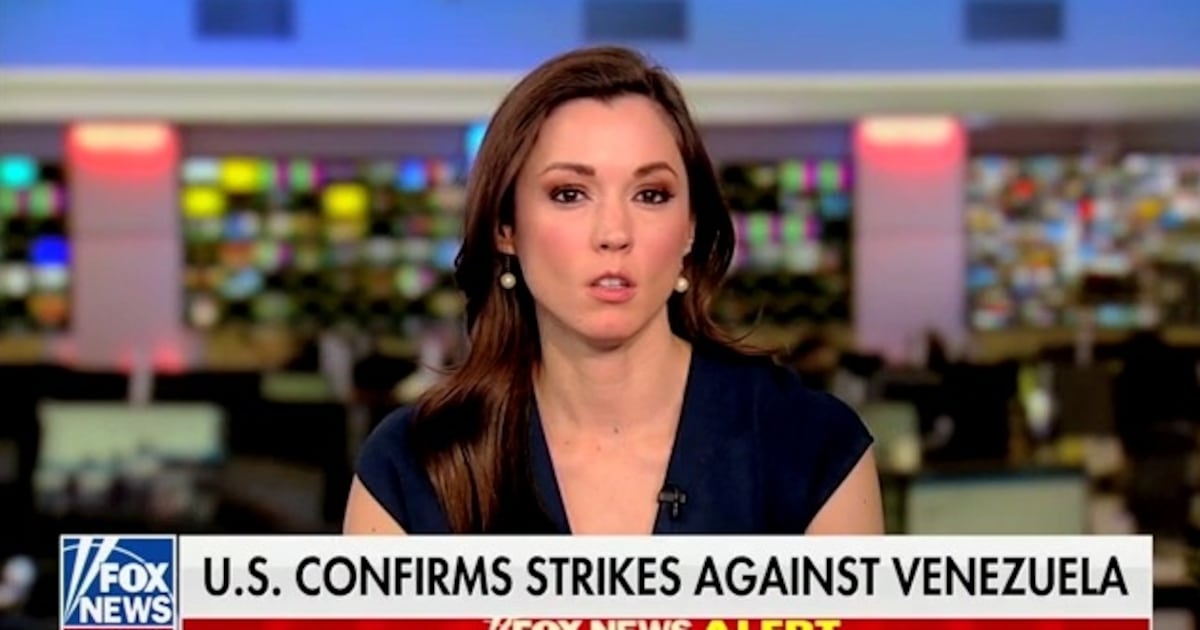
U.S. forces conducted a military operation in Caracas that the Trump administration says resulted in the capture and removal of President Nicolás Maduro and his wife on narcotics- and weapons-related charges, prompting condemnation from the Maduro government as a violation of sovereignty. The U.S. Embassy warned Americans in Venezuela to shelter in place, the FAA banned U.S. aircraft from Venezuelan airspace, and observers report sharply reduced air and shipping service, raising immediate logistical disruption and elevated geopolitical risk. For investors, the event increases tail risk for Venezuelan assets and could push near-term oil risk premia higher given Venezuela’s oil-dependent economy and disrupted exports; potential wrongful detentions and diplomatic fallout also raise uncertainty for funds with regional exposure.
Market structure: Immediate winners are global oil producers (Exxon XOM, Chevron CVX) and marine tanker/insurance firms as Venezuelan crude flows (roughly 0.3–0.8 mbpd current capacity) face short-term disruption; defence contractors (RTX, LMT) gain policy tailwinds. Losers include Venezuelan sovereign/PDVSA creditors (EM sovereigns, local FX), regional airlines (FAA airspace ban increases costs), and refiners tied to heavy sour crude without quick alternate supply. Cross-asset: expect EM sovereign spreads to widen 300–800bps, a 48–72h spike in Brent of $2–5/bbl, and USD strengthening vs. COP/VEF if escalation continues. Risk assessment: Tail risks include broader regional military escalation, cyberattacks on oil infrastructure, or hardline nationalization of assets — each could add $5–15/bbl and materially impair global maritime routes. Time horizons: days = volatility in oil/EM credit; weeks–months = re-routing of supply, insurance costs and upstream capex shifts; quarters+ = potential re-investment or deeper sanctions altering long-run Venezuelan output. Hidden dependencies: China/Russia crude offtake and informal barter channels could mute supply loss; OPEC+ policy response is a critical catalyst. Trade implications: Favor tactical long energy and defence, hedged by volatility instruments: buy Brent call spreads (1–3 month) and selective large-cap energy equities with 2–4% position sizes; reduce/avoid direct EM Venezuela exposure and short sovereign CDS if available. Use options to monetize elevated event-risk rather than outright directional exposure; set rebalancing triggers based on Brent moves and CDS widening. Contrarian angles: Markets may overprice permanent Venezuelan supply loss—histor parallels (Libya 2011) show spikes often partially reverse in 3–6 months once buyers/insurance adjusts. Conversely, if US action triggers extended sanctions/nationalization, recovery could be delayed years — prefer staged exposure with explicit stop-losses and thresholds (Brent +$7 or CDS +500bps) before scaling further.
AI-powered research, real-time alerts, and portfolio analytics for institutional investors.
Request DemoOverall Sentiment
strongly negative
Sentiment Score
-0.65
Ticker Sentiment
