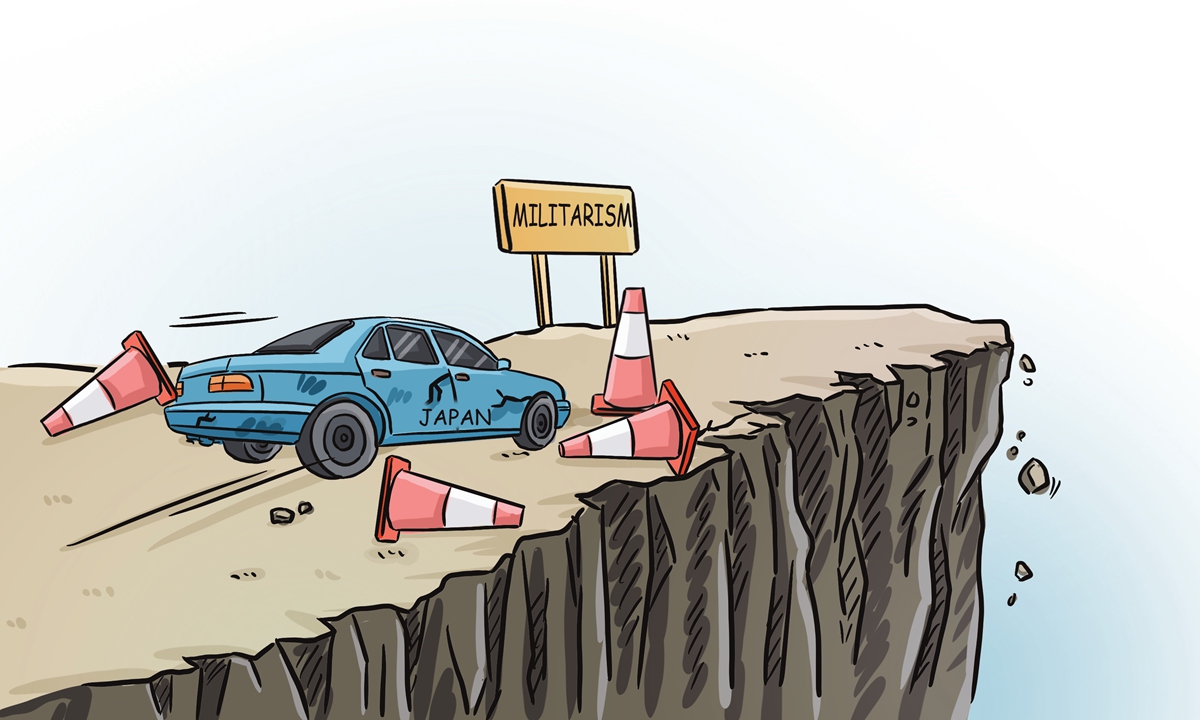
Japan is abandoning its postwar 'exclusively defense-oriented' posture, substantially increasing defence spending and loosening constitutional and political constraints on the Self-Defense Forces. The government’s 2022 security reviews target raising defence outlays to about 2% of GDP within five years (a 43 trillion yen plan for 2023–2027), and the 2026 defence budget will exceed 9 trillion yen, ahead of the 8.7 trillion yen target. Political shifts (the LDP’s new coalition without Komeito) and moves to expand collective self‑defense rights, public statements on Taiwan contingency options, and renewed debate over nuclear options signal elevated geopolitical risk and potential long-term shifts in regional defence procurement and fiscal commitments.
Market structure: Japan's move to ~2% of GDP defense spending and relaxed collective‑defense rules structurally favors domestic heavy industry (shipbuilding, land systems), electronics/radar suppliers, and allied US primes supplying aircraft/missiles. Expect multi‑year procurement cycles (2024–2030) shifting revenue mix toward aerospace & defense (+10–30% top‑line tailwinds for prime contractors over 3–5 years) while civilian discretionary and social spending faces crowding‑out risk. Commodity demand for steel, copper and specialty alloys will rise modestly; export controls or localization requirements will redirect supply chains.
Risk assessment: Tail risks include a Taiwan contingency or Sino‑Japanese escalation (low prob, very high impact), triggering market dislocations, trade sanctions, and safe‑haven flows into JPY and JGBs (paradoxically) before BOJ intervention. Near term (days–weeks) volatility is policy‑announcement driven; medium term (3–12 months) contract award cadence matters; long term (1–5 years) constitutional/legal shifts and industrial policy determine winners. Hidden dependencies: procurement may be biased to politically connected domestic contractors, limiting upside for foreign suppliers; currency/BOJ policy remains the key amplifier.
Trade implications: Favor aerospace & defense exposure (US ETF ITA or select names LMT, RTX, NOC) and Japanese heavy industrials (7011.T, 7012.T) with 6–24 month horizons; play JGB curve steepening via short 10y JGB futures or inverse JGB ETFs if issuance accelerates. Use call spreads to capture upside while capping premium; buy USD/JPY 3–6 month calls to hedge FX-linked revenues. Reduce long-duration Japanese sovereign bond exposure and underweight domestic consumption cyclicals likely to be fiscally crowded out.
Contrarian angles: Consensus assumes Japan will rapidly nuclearize or wage offensive wars — that is low‑probability given political barriers and cost. Markets may underprice domestic procurement cycles because many contracts are multi‑year and backloaded; conversely, defense equities may already factor in headline spending so selective fundamental work (order books, backlog) is crucial. Unintended consequence: faster defense spending could force BOJ normalization, creating simultanous JPY strength and equity sector rotation that hurts exporters while helping domestic defense names.
AI-powered research, real-time alerts, and portfolio analytics for institutional investors.
Request DemoOverall Sentiment
moderately negative
Sentiment Score
-0.45
