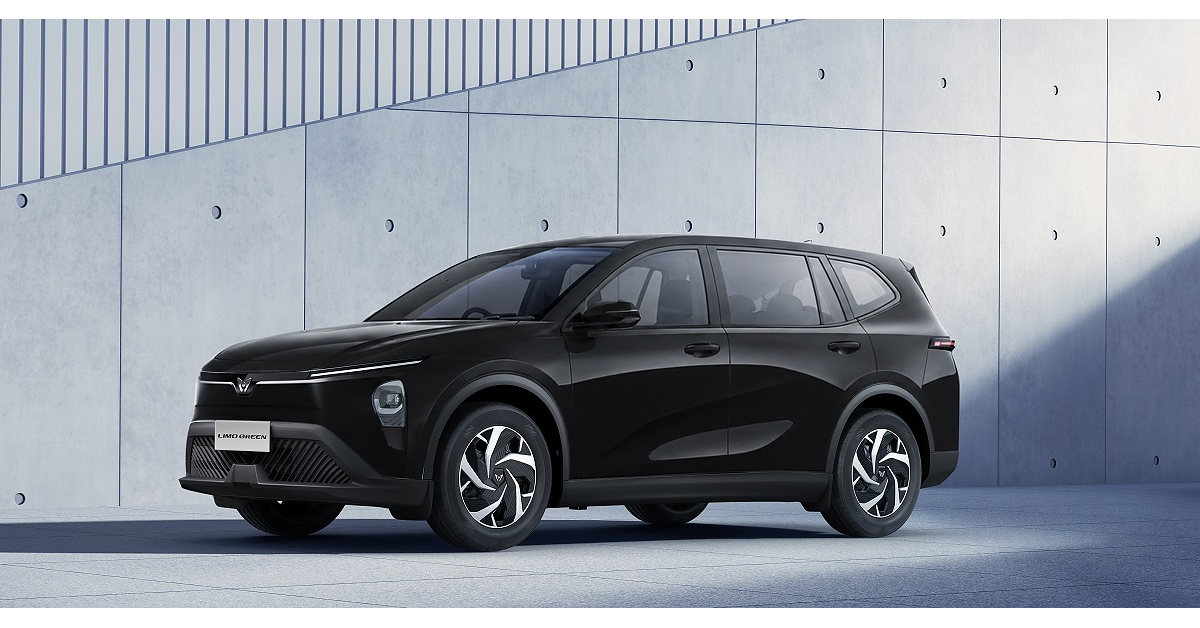
VinFast says it will advance autonomy step-by-step from current Level 2 ADAS to next-generation Level 2+ / Level 2++ capabilities, with current enhanced Level 2++ pilot testing underway on the VF 8 and VF 9. The company is partnering with Autobrains to develop Level 2++ software and a proposed “Robo-Car” architecture using seven production cameras and a compact compute platform (~20 trillion ops/sec) to avoid reliance on costly LiDAR and HD mapping. The phased, validation-focused approach aims to improve driver assistance while keeping human supervision and affordability central, which is likely supportive but not immediately price-moving without quantified performance results.
This is mostly a signaling event, not an earnings event. For VFS, the only material financial upside would come if ADAS meaningfully lifts trim mix or supports pricing, but that is a multi-quarter to multi-year question and likely swamped by balance-sheet and volume execution risk. The more important market mechanism is competitive: a camera-first, low-BOM autonomy stack validates the idea that useful driver-assist can scale without lidar-heavy architecture, which is a negative read-through for lower-end sensor suppliers and a modest positive for automotive software/compute platforms with embedded distribution.
Second-order, the article reinforces a bifurcation in autonomy: premium robotaxi stacks remain capital intensive, while mass-market OEMs are drifting toward pragmatic Level 2+/2++ features that improve safety and retention without promising full autonomy. That helps names whose value proposition is software integration and silicon efficiency rather than sensor sprawl. It is structurally uncomfortable for lidar vendors if more OEMs decide the incremental safety/consumer benefit of expensive sensor suites does not clear the BOM hurdle, especially in emerging markets where affordability dominates.
The contrarian view is that the market may over-interpret these announcements as a secular autonomy win when they are often just roadmap maintenance. The thesis is falsified if VFS shows no measurable improvement in ADAS take-rate, warranty claims, or pricing power over the next 2-4 quarters, or if the program expands only through press releases rather than homologated launches. Near-term catalysts are sparse; the real watch item is whether VFS must fund this roadmap with additional capital, which would turn a technology story back into a dilution story.
AI-powered research, real-time alerts, and portfolio analytics for institutional investors.
Request DemoOverall Sentiment
neutral
Sentiment Score
0.08
Ticker Sentiment
