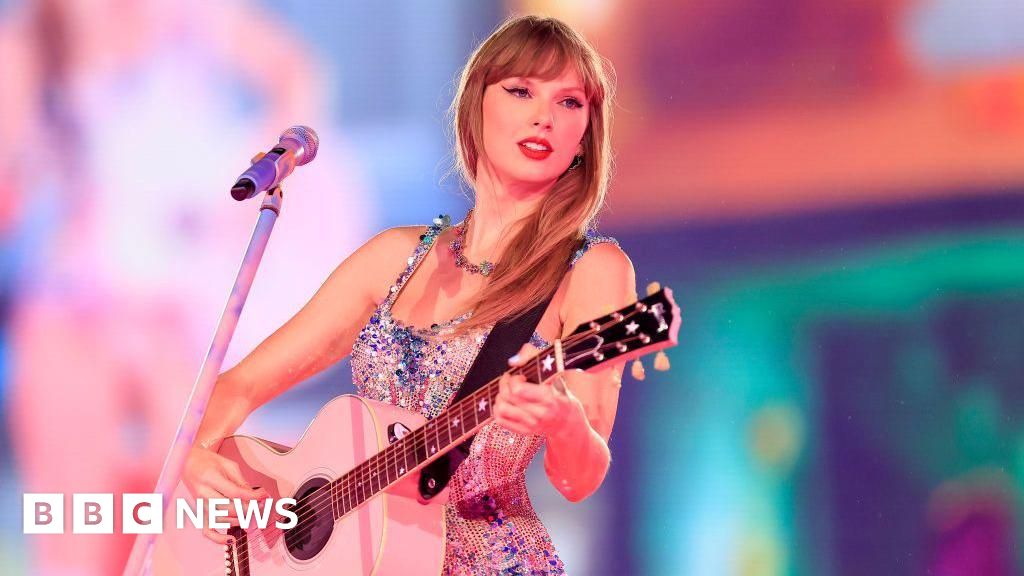
Taylor Swift has filed three U.S. trademark applications to protect her voice and image from AI impersonation, including filings tied to a stage photo and two recorded audio clips. The move highlights a growing trend of celebrities using trademark law to combat AI-generated misuse, following similar action by Matthew McConaughey. The article is largely legal and strategic in nature, with limited direct market impact.
This is less a direct monetization event for SPOT than an early signal that rights-holder behavior is shifting from takedown-mode to preemptive defensibility. That matters because AI-generated likeness risk becomes more actionable when brands can point to registered marks rather than arguing generalized publicity harm; over time, the compliance burden should migrate from platforms to model builders, ad-tech intermediaries, and consumer apps that enable synthetic endorsements. The near-term equity impact on SPOT is limited, but the medium-term implication is higher legal friction for any product layer that enables voice cloning, celebrity-style recommendations, or personalized audio ads.
The second-order effect is on distribution economics: if high-profile creators increasingly firewall their voices and images, platforms will need either higher indemnity spend, more conservative content policies, or licensing frameworks that raise cost per stream/impression. That is modestly negative for margin expansion at AI-native media tools and for any music or podcasting use case that leans on synthetic presenters, while potentially favorable for incumbents with stronger rights management and verification systems. The more important commercial risk is not one lawsuit, but a broader chilling effect on experimentation that slows AI engagement features in entertainment and advertising over the next 6-18 months.
The contrarian view is that this may be more symbolic than economically material until courts test trademark claims against AI outputs. If precedent stays narrow, the market could overestimate how much celebrity trademark filings actually constrain model providers versus simply creating litigation leverage. The real catalyst to watch is whether a major platform or AI vendor is forced to disclose new licensing costs, insurance requirements, or product restrictions tied to celebrity voice/image tools; that would be the first durable P&L signal rather than the filing itself.
AI-powered research, real-time alerts, and portfolio analytics for institutional investors.
Request DemoOverall Sentiment
neutral
Sentiment Score
0.05
Ticker Sentiment
