
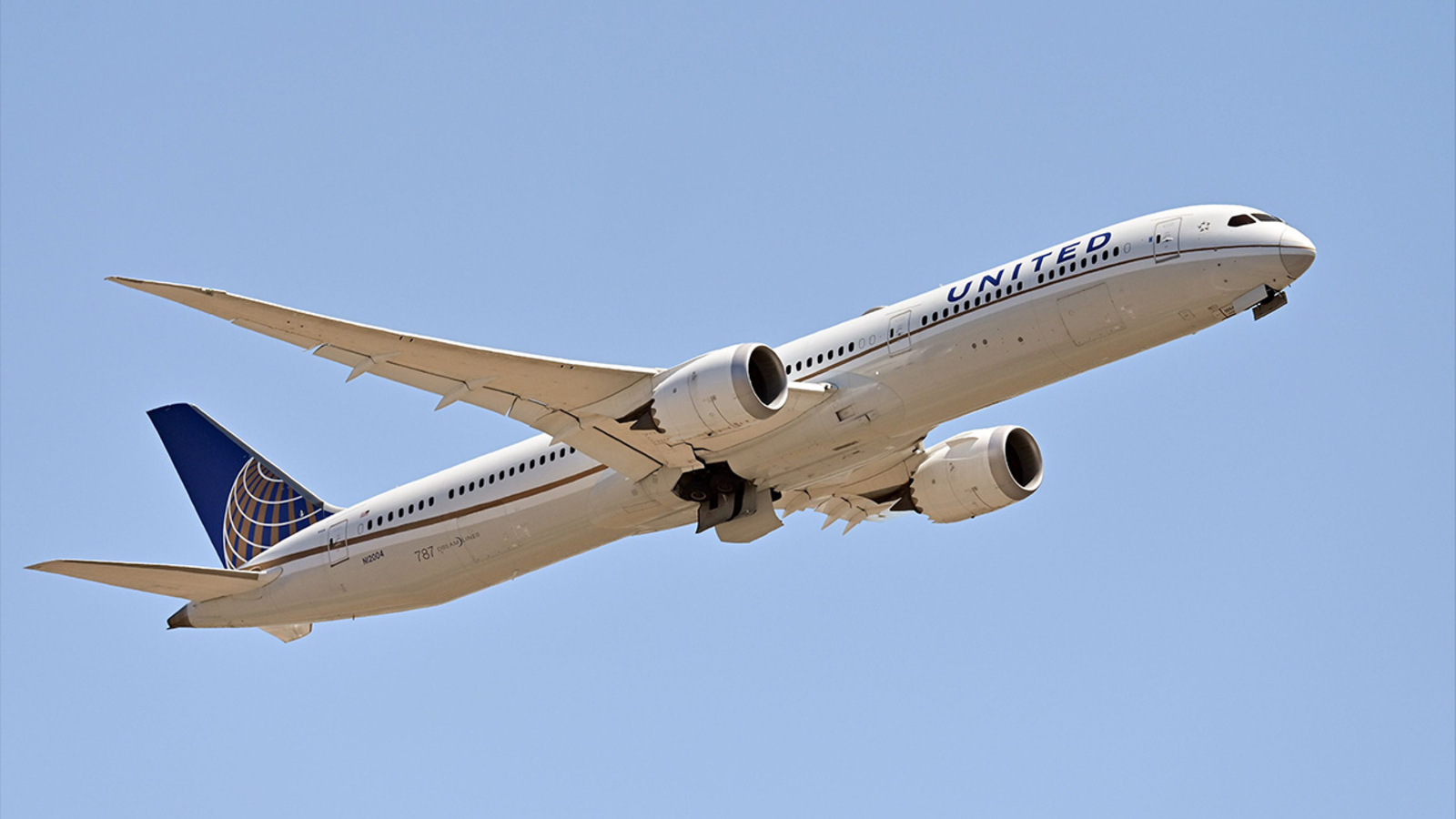
United flight 2005 from Chicago to Minneapolis was diverted to Madison, Wisconsin, due to an unruly passenger, with the airline saying the flight landed safely to address a security concern. No injuries were reported, and United expected the flight to continue to Minneapolis later Friday. The incident appears operational rather than financially material.
This looks less like a direct earnings event for UAL and more like a reminder that the airline’s biggest near-term vulnerability is operational fragility around a hard-to-quantify disruption bucket: onboard security events, diversions, and the knock-on schedule cascade. The first-order financial cost is small, but the second-order effect is disproportionate because a single diversion consumes crew duty time, aircraft utilization, and recovery slack on a route network already optimized for tight turns. In that sense, the incremental risk is not the incident itself but the probability distribution shift it creates for irregular ops in a month where load factors and customer satisfaction can deteriorate quickly.
The competitive read is mildly positive for carriers with better recovery capacity and stronger hub flexibility, and mildly negative for UAL if this contributes to a short burst of brand-driven booking hesitation on business-travel-heavy routes. The legal angle is more relevant over weeks than days: even when no injuries occur, these events can still create administrative costs, policy scrutiny, and reputational drag if they cluster. If there is no follow-up or pattern, the market should fade it; if there are multiple incidents, the issue can transition from nuisance to a margin headwind via disruption costs and weaker premium demand.
The contrarian view is that the stock may be underpricing how often low-dollar events become medium-sized P&L leaks in an airline with high operating leverage. One diversion won’t move the model, but repeated disruptions can hit completion factors, customer retention, and crew utilization enough to matter into the next quarter. The key catalyst to watch is whether management or regulators frame this as isolated noise or part of a broader safety/security narrative; the latter would justify a higher risk premium for several months.
AI-powered research, real-time alerts, and portfolio analytics for institutional investors.
Request TrialOverall Sentiment
neutral
Sentiment Score
-0.10
Ticker Sentiment
