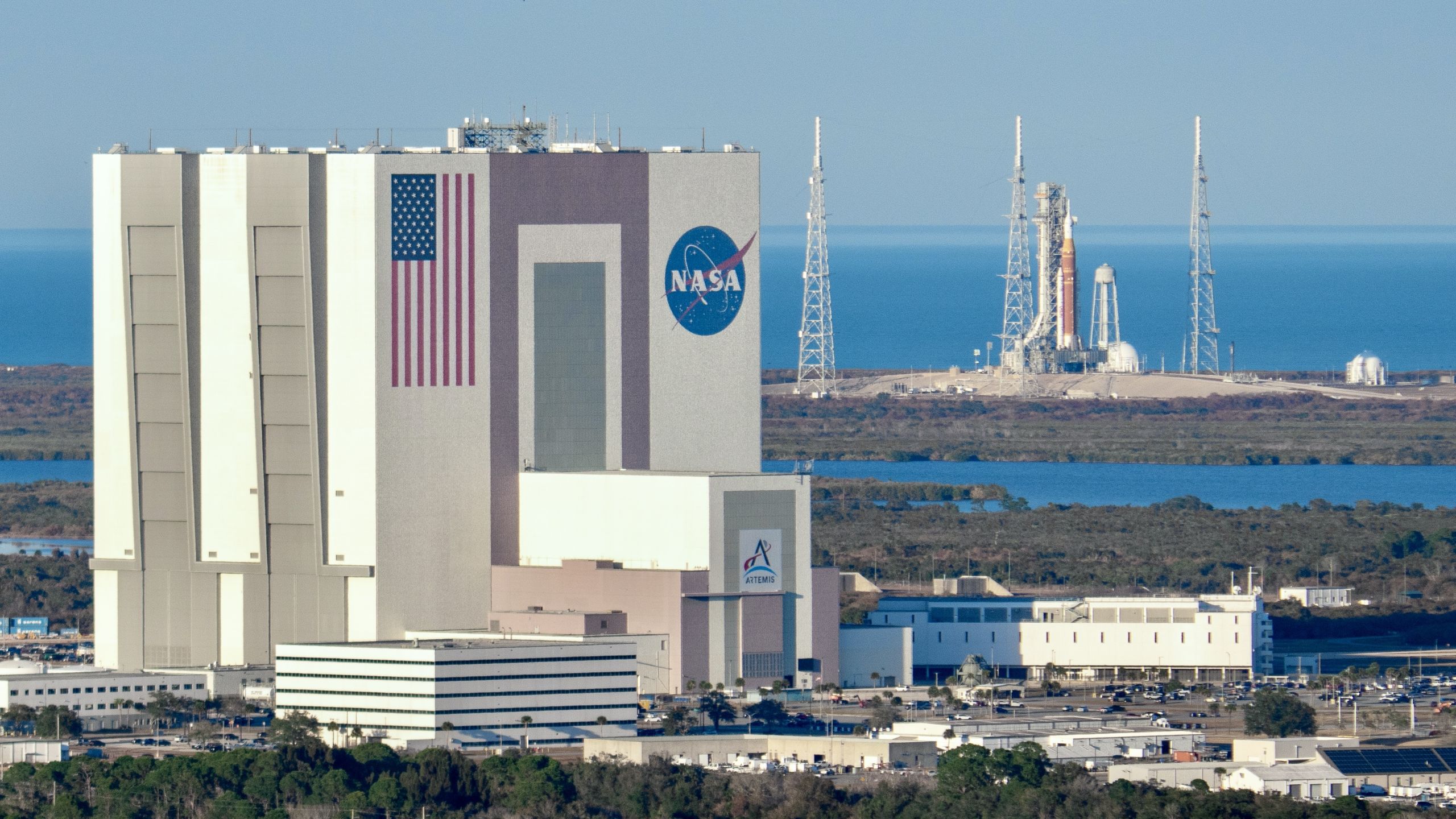
NASA has restructured the Artemis campaign to shorten mission cadence and reduce reliance on unproven upgrades, standardizing the SLS into a single configuration and removing the planned Block 1B and Exploration Upper Stage. Artemis 2 remains on track, Artemis 3 is now targeted for 2027 as an Earth‑orbit docking test with whichever commercial lander is ready, and Artemis 4 is repositioned as the program's first crewed lunar landing (targeted 2028). The changes leave the Gateway orbital outpost's future unclear and jeopardize near‑complete infrastructure: Mobile Launcher 2 (~$1.6 billion contract, ~98% paid) and related ground systems may be repurposed, while NASA is evaluating using ULA's Centaur V as a new upper stage for SLS after Artemis 3; Congress has advanced authorization language allowing repurposing but requires briefings on Gateway.
Market structure: The reshuffle hands near-term winners to engine/upper‑stage suppliers and commercial launch partners while hurting contractors tied to Gateway and bespoke SLS upgrades. Expect demand rotation toward Centaur V-related hardware (benefits Aerojet Rocketdyne/AJRD and ULA parent exposure via LMT/BA) and commercial lander support (favors SpaceX/contractors), while Maxar (MAXR) and bespoke mobile‑launcher contractors face revenue risk and potential write‑offs. Cross‑asset: expect idiosyncratic equity moves in aerospace names, modest widening in high‑yield/contractor credit spreads if write‑offs are recognized, and little macro impact on Treasuries or commodities unless budget reallocation becomes large (>1% of discretionary spend).
Risk assessment: Tail risks include a major technical failure (SLS/Orion or Starship), a mid‑cycle Congressional reversal restoring Gateway funding, or multi‑billion dollar contractor write‑offs; probability low‑medium but impact high (>20% equity moves). Immediate catalyst window: Artemis 2 (launch window opens April 1) will swing sentiment in days; medium term (30–120 days) Congressional briefings and Centaur V integration decisions; long term (12–36 months) cadence execution and commercial lander certification drive revenue realization. Hidden dependencies: commercial lander certification timelines, MLP refurbishment lead times (>12 months), and contractor backlog/cashflow profiles not visible in headlines.
Trade implications: Direct plays: overweight AJRD and select defense primes (LMT, NOC) for 6–24 months; underweight or hedge MAXR and specialist infrastructure suppliers with exposure to Mobile Launcher 2. Use pair trades (long AJRD, short MAXR) to isolate program‑structure risk. Options: express views with 12–18 month LEAPS call spreads on AJRD/LMT and short 6–12 month puts on MAXR or buy puts on BA as a tactical hedge around Artemis 2. Rotate from pure civil‑space suppliers into diversified defense primes and engine OEMs over the next 3–9 months.
Contrarian angles: Markets may over‑penalize Gateway hardware as sunk cost—repurposing for lunar surface infrastructure could create upside for MAXR/other module builders if Congress funds conversion; conversely, success of Artemis 2 + commercial lander certification could accelerate revenues materially for engine suppliers (20–40% upside scenario). Historical parallel: post‑cancellation program reorganizations (e.g., post‑Constellation) produced multi‑year consolidation but concentrated winners (engines, prime integrators). Watch for momentum mismatches: if MAXR drops >25% on cancellation headlines, the sell‑off could be overdone relative to repurposing optionality.
AI-powered research, real-time alerts, and portfolio analytics for institutional investors.
Request TrialOverall Sentiment
moderately negative
Sentiment Score
-0.30
