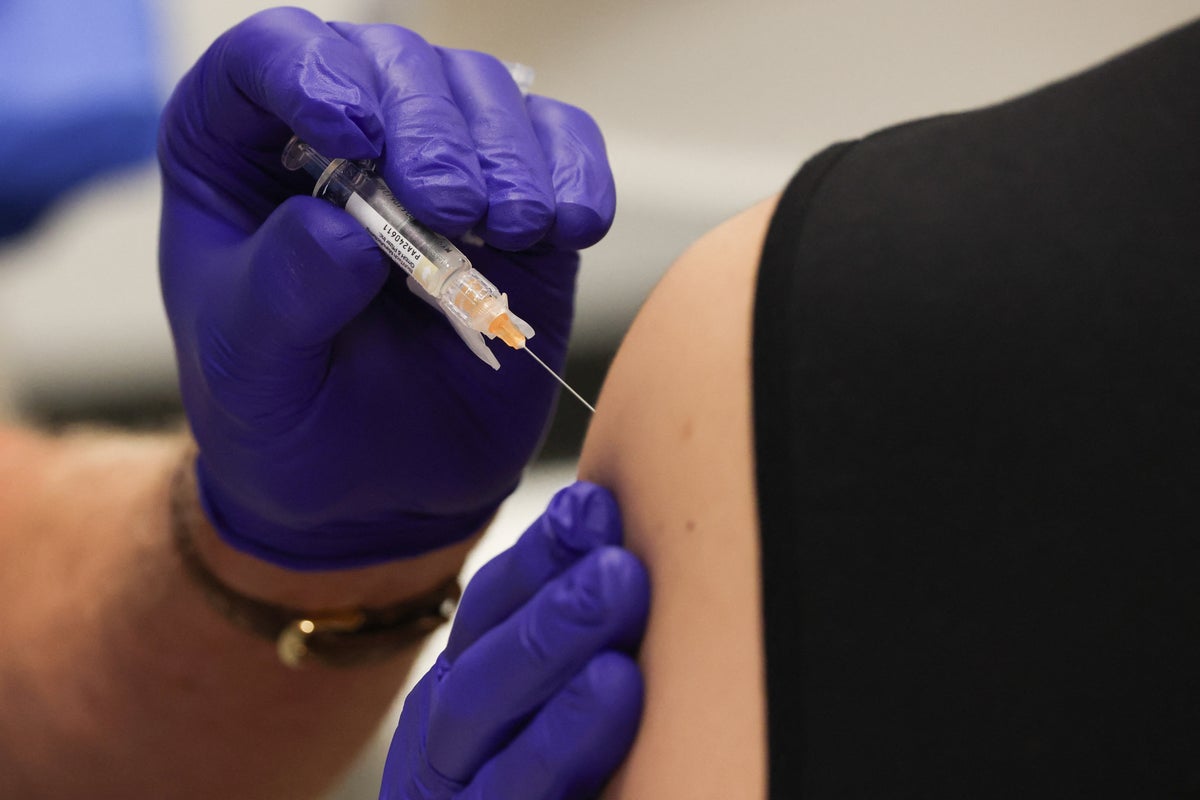
A CDC study reportedly showing the Covid vaccine reduced urgent care and emergency room visits by 50% and hospitalizations by 55% was blocked and may not be published at all. The decision has raised concerns about political interference under HHS leadership, even though the analysis had already passed scientific review. The article is primarily about CDC governance and vaccine-policy controversy rather than a direct market catalyst.
The market implication is less about the underlying vaccine efficacy claim and more about governance risk inside HHS: when the publication channel becomes discretionary, the informational signal from CDC guidance deteriorates. That raises a second-order cost for every health issuer that relies on federal recommendations to drive seasonal demand, from vaccine manufacturers to hospital systems that plan staffing and inventory around expected uptake. In the near term, the bigger tradable effect is sentiment compression in vaccine-adjacent names rather than a fundamental change in utilization, because patients and payers still respond to private-sector evidence and clinician guidance.
The asymmetry is that policy noise can delay uptake, but it is hard to permanently suppress disease burden data. If the administration continues tightening communication, the risk is a later reversal when seasonal respiratory activity forces renewed recommendations, creating a catch-up trade over the next 1-2 quarters. That means any underexposure to vaccine makers is more vulnerable than headline sentiment suggests, since their downside from a single publication dispute is limited while upside from a restocking/booster cycle can re-rate quickly once public health messaging normalizes.
The broader healthcare winner is not the vaccine producers alone; diagnostics, urgent care networks, and hospitals may also benefit if confusion around prevention nudges more symptomatic testing and acute utilization in a winter surge. Conversely, the biggest loser is HHS credibility, which can raise the risk premium on future CDC/NIH communication and complicate reimbursement or procurement decisions. In markets, that argues for treating this as a governance headline with a 2-8 week half-life unless it expands into new regulatory actions.
AI-powered research, real-time alerts, and portfolio analytics for institutional investors.
Request TrialOverall Sentiment
mildly negative
Sentiment Score
-0.15
Ticker Sentiment
