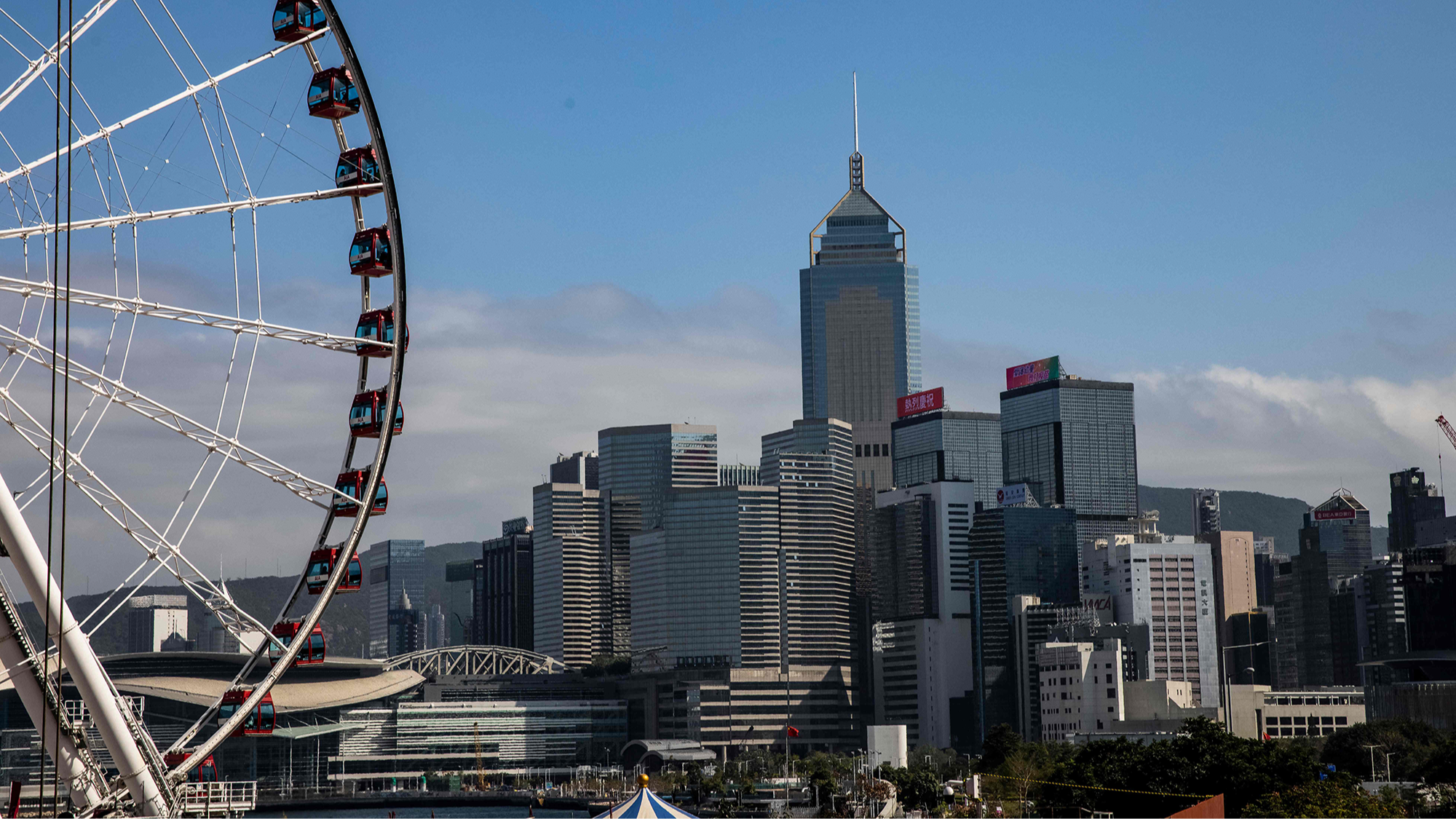
Hong Kong has overtaken Switzerland as the world’s largest cross-border wealth hub, with BCG estimating $2.9tn in cross-border assets in 2025, about 60% sourced from mainland China. The result reflects a surge in mainland capital and a recovery in Hong Kong equity markets, both supportive for the city’s wealth-management and financial services ecosystem. The headline is positive for Hong Kong’s positioning in global wealth flows, though the direct market impact is likely limited.
This is less a “Hong Kong story” than a reallocating-liquidity story: mainland private wealth is increasingly being intermediated through a venue that offers access, rule familiarity, and faster deployment into offshore assets. That creates a second-order boost to fee pools for banks, private banks, multi-family offices, and wealth-tech rails tied to cross-border onboarding, FX conversion, and structured product distribution. The bigger implication is that capital is being re-matched with risk assets more efficiently, which tends to support equity beta, private credit, and alternative asset fundraising over a multi-quarter horizon. The competitive shift hurts Switzerland at the margin not because assets flee en masse, but because incremental flows matter disproportionately to pricing power. If Hong Kong keeps absorbing marginal offshore wealth, Swiss private banks face a tougher mix: lower growth, more fee compression, and greater pressure to localize Asian coverage. The real winners are likely the “plumbing” providers around the wealth corridor — brokers, custodians, and markets businesses that monetize transaction velocity rather than just AUM. Near term, the key catalyst is equity market continuation: a rising local market mechanically improves wealth sentiment and encourages performance-chasing allocations from mainland investors. The main reversal risk is policy: any tightening of capital controls, scrutiny of cross-border transfers, or a drawdown in mainland/HK equities could slow flows quickly, with the first signs showing up in brokerage turnover and private-banking net new money within 1-2 quarters. A more subtle tail risk is concentration — if the flow is heavily mainland-sourced, any property or credit shock in China can force repatriation pressure rather than sustained offshore diversification. The consensus may be underestimating duration. This likely isn’t a one-off cyclical bump; it reflects structural rerouting of Chinese private wealth through Hong Kong as the preferred offshore gateway. That said, the market may be overpricing the permanence of fee growth in local financials because competition for these flows should intensify, compressing take rates even as total assets rise.
AI-powered research, real-time alerts, and portfolio analytics for institutional investors.
Request DemoOverall Sentiment
mildly positive
Sentiment Score
0.35
Ticker Sentiment
