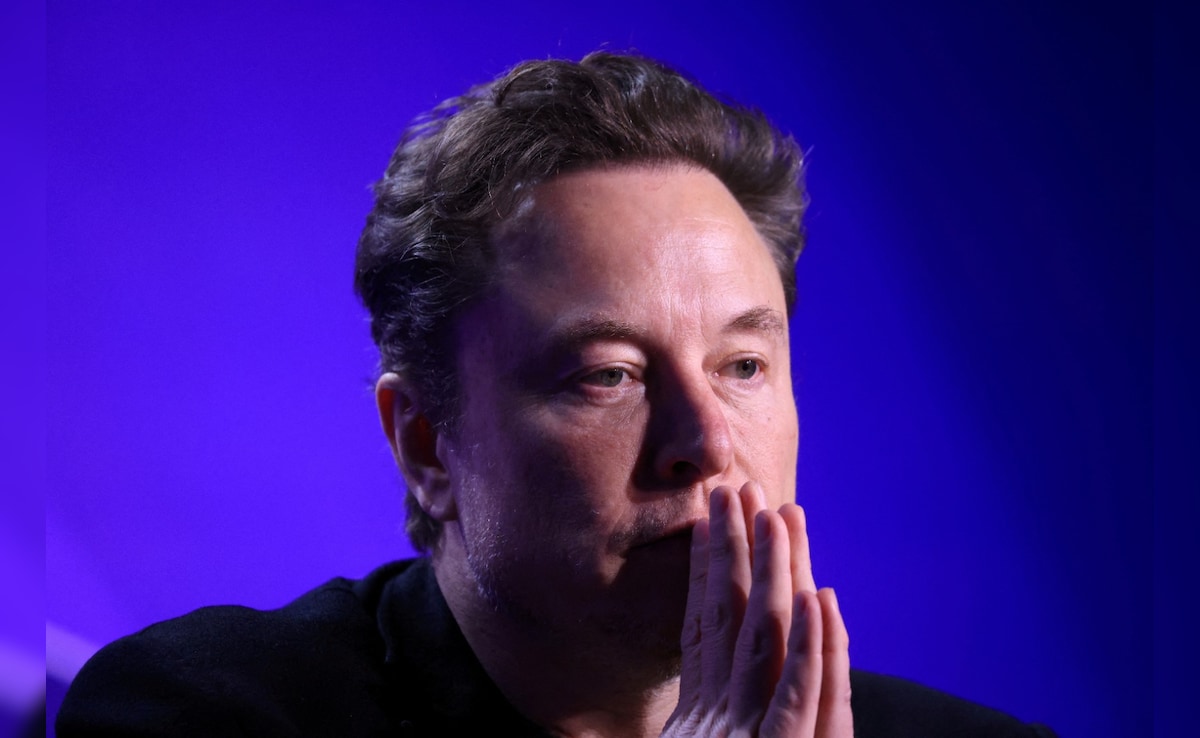
OpenAI president Greg Brockman testified that Elon Musk backed converting OpenAI into a for-profit structure, but only if he had full control and a stake he believed could help him raise $80 billion to build a Mars city. The case centers on Musk's lawsuit alleging OpenAI abandoned its charitable mission; OpenAI says Musk is seeking control and using litigation to aid xAI. OpenAI said it plans to spend $50 billion on computing in 2026 and has already raised more than $100 billion, underscoring the scale of capital needed in the AI race.
The market implication is less about the courtroom theater and more about governance optionality around the AI capex stack. If a single founder can credibly demand control at the point where the business needs tens of billions of dollars of incremental funding, it reinforces a broader “founder sovereignty” premium across frontier tech — and a discount on minority common equity when control is not fully aligned. That dynamic should keep private-market valuations sticky at the top end while widening the gap between companies that can finance growth through self-generated cash flow versus those dependent on repeated capital raises.
For TSLA, the incremental read-through is asymmetric: the headline does not change operating fundamentals, but it keeps Musk’s attention on capital formation, control rights, and long-duration moonshots that can influence investor perception of Tesla’s own governance risk. In the near term, that is a sentiment overhang, not an earnings driver; over months, it can matter if courts or public investors reprice the probability that management bandwidth is diluted by legal and empire-building distractions. The bigger second-order effect is competitive: any protracted OpenAI uncertainty benefits well-capitalized AI rivals and hyperscalers that can sell compute and infrastructure into demand created by fear of supply constraints.
The contrarian angle is that litigation may actually be a catalyst for a cleaner capitalization structure in the sector. If the market concludes that frontier AI needs quasi-sovereign control plus industrial-scale funding, then the winners are likely to be the capital providers and infrastructure owners, not the thinly capitalized model labs. That argues for staying cautious on governance-fragile AI names and favoring picks-and-shovels exposure while the legal process keeps headline volatility elevated for several months.
The tail risk is not the lawsuit itself but a governance precedent: if Musk extracts leverage through litigation, other founders may do the same, increasing execution risk premiums across venture-backed AI. If he loses decisively, it removes some overhang but also validates that growth-stage control disputes can be very expensive and distracting, which would pressure late-stage private multiples. Either way, the setup favors volatility harvesting rather than directional conviction in the direct protagonists.
AI-powered research, real-time alerts, and portfolio analytics for institutional investors.
Request DemoOverall Sentiment
neutral
Sentiment Score
-0.05
Ticker Sentiment
