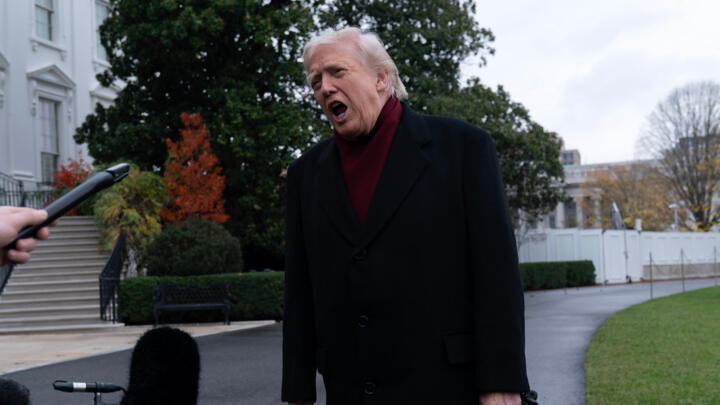
Diplomatic efforts to revise a US 28-point peace plan for Ukraine produced reported progress in Geneva but remain contested: the Kremlin called a European counter-proposal “unconstructive” while Kyiv insists it must avoid an unjust settlement. On the ground, Russia reported territorial gains in Zaporizhzhia and Donetsk regions and Russian air defences shot down a drone near Moscow after a significant Ukrainian strike temporarily cut heating from a Shatura power plant that has since been reconnected. Technological and strategic shifts include Kyivstar becoming the first European operator to launch Starlink’s direct-to-cell SMS service to bolster connectivity in blackout-prone areas; meanwhile leaders including Trump, Xi, Putin and Erdogan held talks, underscoring elevated geopolitical risk and policy uncertainty that keep markets in a cautious, risk-off stance.
Market structure is shifting in favor of defense contractors, satellite connectivity providers and resilient infrastructure owners while emerging-market telcos and regional utilities tied to conflict zones face revenue and capex compression. Expect a 10–20% relative re-rating in prime defense names over 3–6 months if risk-on does not return; oil and gas spot prices show a 5–15% upside tail if supply disruption escalates, which would widen energy capex winners. Cross-asset flows should continue to push USD higher and core sovereign yields lower in immediate risk-off windows, supporting long-duration instruments and gold.
Tail risks include large-scale escalation that triggers cascade sanctions (EM FX down 15–30%) or cyber/satellite disruptions that interrupt alternative-connectivity solutions; these are low probability but would be >2 standard deviation market events. Time horizons: immediate (days) for bond/FX moves, short-term (weeks–months) for defense/energy repricing, and long-term (12–36 months) for structural shifts in telco economics due to direct-to-cell satellites. Hidden dependencies include operators becoming dependent on private satellite providers, creating concentrated counterparty risk and potential regulatory backlash.
Trade implications: favor convex exposure to defense and connectivity while de-risking EM telecom equities; prefer directional plays via liquid large-caps and sector ETFs and use options to cap downside. Pair trades (long infrastructure/defense, short EM telco) capture relative value while hedging macro shock; manage positions with explicit thresholds and 1–3 month liquidity planning. Key catalysts: public diplomacy turnarounds, sanctions announcements, and scheduled leader meetings in next 30–90 days.
Contrarian view: consensus may over-penalize western-listed EM telcos — some (including VEON) have asset-level cash flows and could recover 25–40% after a stabilization window, creating mean-reversion opportunities once short-term headlines fade. Conversely, market may underappreciate regulatory risk to satellite-to-cell rollouts (spectrum disputes, national licensing) that could blunt revenue upside for Starlink-type services over 12–24 months. Historical parallels (regional conflicts) show telecoms often regain >50% of lost traffic within 6–12 months; hedge defense longs with cheap, short-dated puts to protect against peace breakthroughs.
AI-powered research, real-time alerts, and portfolio analytics for institutional investors.
Request DemoOverall Sentiment
moderately negative
Sentiment Score
-0.35
Ticker Sentiment
