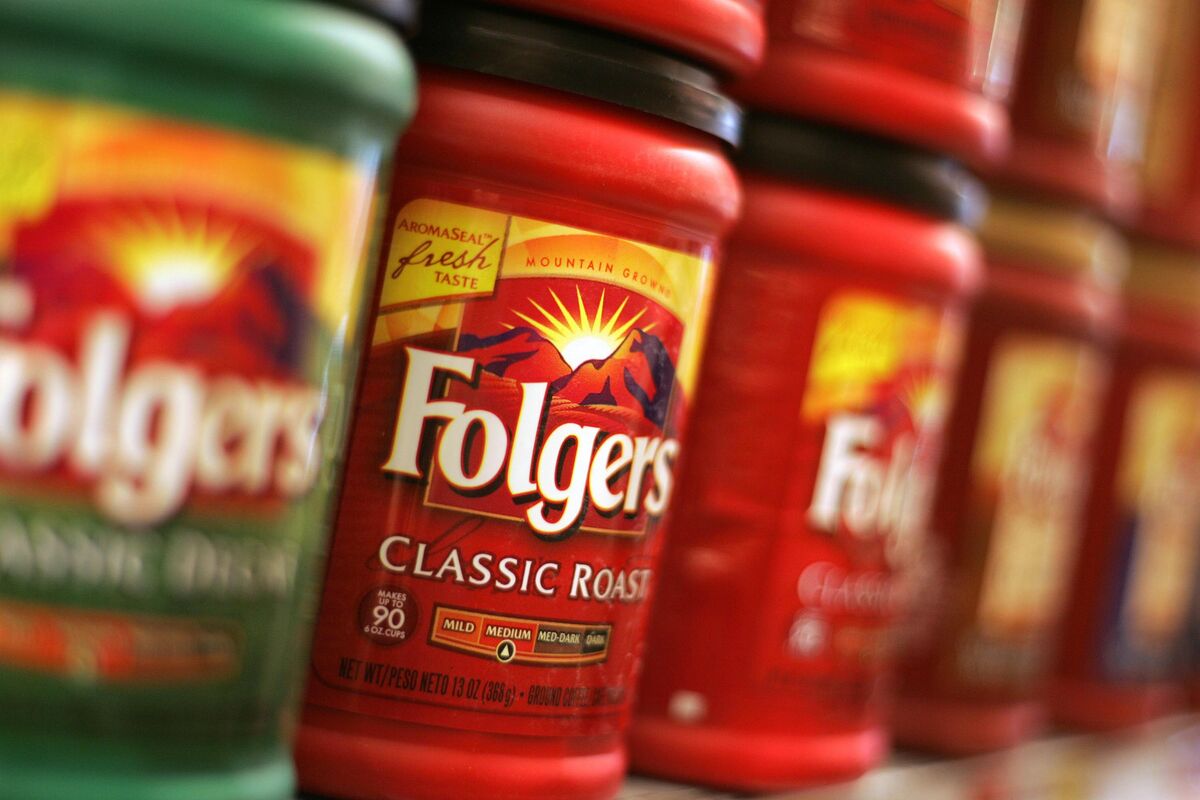
JM Smucker is lowering coffee prices to pass through recent cost reductions to shoppers, reversing prior price increases. The move signals easing input-cost pressure in coffee and a more promotional stance in consumer staples pricing. The article is largely explanatory and should have limited immediate market impact beyond JM Smucker and coffee-related peers.
Passing through lower input costs into shelf prices is a small headline with a meaningful signal: it suggests management sees a volume tradeoff that is getting more elastic, not less. In staples, the first company to cut price often forces a broader reset because competitors are reluctant to hold premium pricing when private label is already structurally cheaper; that tends to compress category margins faster than the gross margin benefit from falling commodities can offset.
The second-order implication is that the margin relief from coffee cost declines may not stay inside the category. If one branded name is willing to give back pricing, retailers will likely press for similar concessions in adjacent pantry categories during the next reset cycle, especially where brand loyalty is weak. That favors large-format retailers and private-label manufacturers more than branded CPG, and it raises the odds that the next leg of inflation in food is down in nominal terms but not necessarily down in unit economics for suppliers.
The timing matters: this is a months-long earnings issue, not a one-day trade. The near-term risk is that investors extrapolate commodity deflation into margin expansion for branded staples, when in reality the pass-through can neutralize most of the benefit; the reverse would require a fresh coffee rally, a weaker consumer that trades down less than expected, or evidence that lower prices materially reaccelerate volume. The market is likely underweight the possibility that price cuts become defensive rather than opportunistic, which is usually a warning sign for the entire branded-center aisle.
Contrarian angle: the obvious read is that lower coffee costs are bullish for consumer wallets, but the more important read is that pricing power may be eroding exactly when volume is becoming more valuable. That makes the setup better for firms with mix leverage and private-label exposure than for those depending on premium brand defense.
AI-powered research, real-time alerts, and portfolio analytics for institutional investors.
Request DemoOverall Sentiment
neutral
Sentiment Score
0.10
