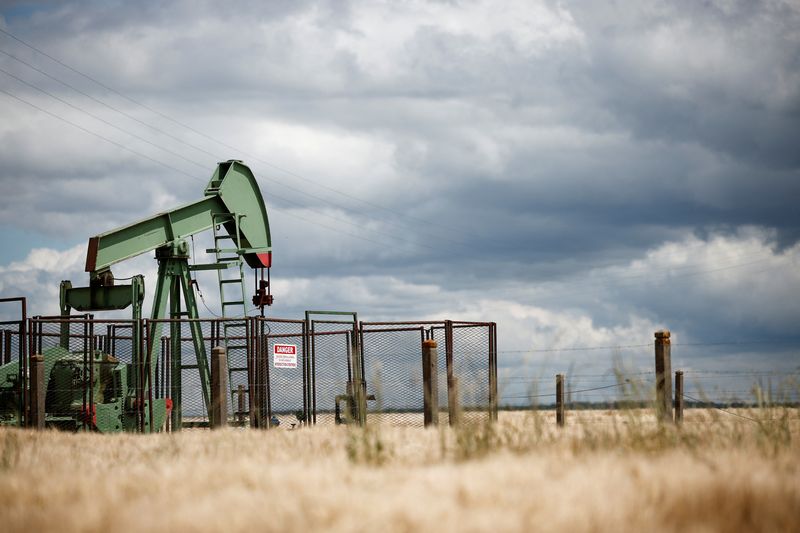
U.S. oil and gas rigs rose by 7 to 558 in the week ending May 22, the fifth straight weekly increase and the highest total since June 2025. Oil rigs jumped by 10 to 425, while natural gas rigs fell by 3 to 125; the total count is still down 8 rigs, or 1%, year over year. The report reflects ongoing producer caution amid lower U.S. oil prices, with companies favoring shareholder returns and debt reduction over production growth.
This is a classic late-cycle shale signal, but the important read-through is not “more rigs equals more supply” — it’s that capital discipline is starting to loosen at the margin after a long deflationary period in services pricing. The rig build is concentrated in oil rather than gas, which implies operators are still prioritizing liquids economics and hedging into a more stable forward curve; that tends to favor the higher-quality basins and the best completion crews, while leaving smaller E&Ps more exposed to cost inflation and productivity disappointment.
The second-order effect is on oilfield services, not E&P beta. A fifth straight weekly increase suggests dayrates, frac spreads, and labor utilization should improve before production data catches up, which is a cleaner leading indicator for BKR-type exposure than for the producers themselves. If rigs keep rising for another 6-8 weeks, service names should re-rate faster than the upstream cohort because the market typically underprices the lag between rigs, completions, and eventual barrels.
The contrarian angle is that this may be less bullish crude than it looks. A modest rig recovery from a depressed base can still be enough to cap the backwardation narrative if productivity per rig keeps rising; shale has historically offset rig declines with better drillbit efficiency, and the market often overestimates near-term supply response. The real risk to the trade is a quick reversal in WTI or a wider credit wobble, which would force independents to pull back capex before the rig count meaningfully translates into sustained output growth.
AI-powered research, real-time alerts, and portfolio analytics for institutional investors.
Overall Sentiment
neutral
Sentiment Score
-0.10
Ticker Sentiment
