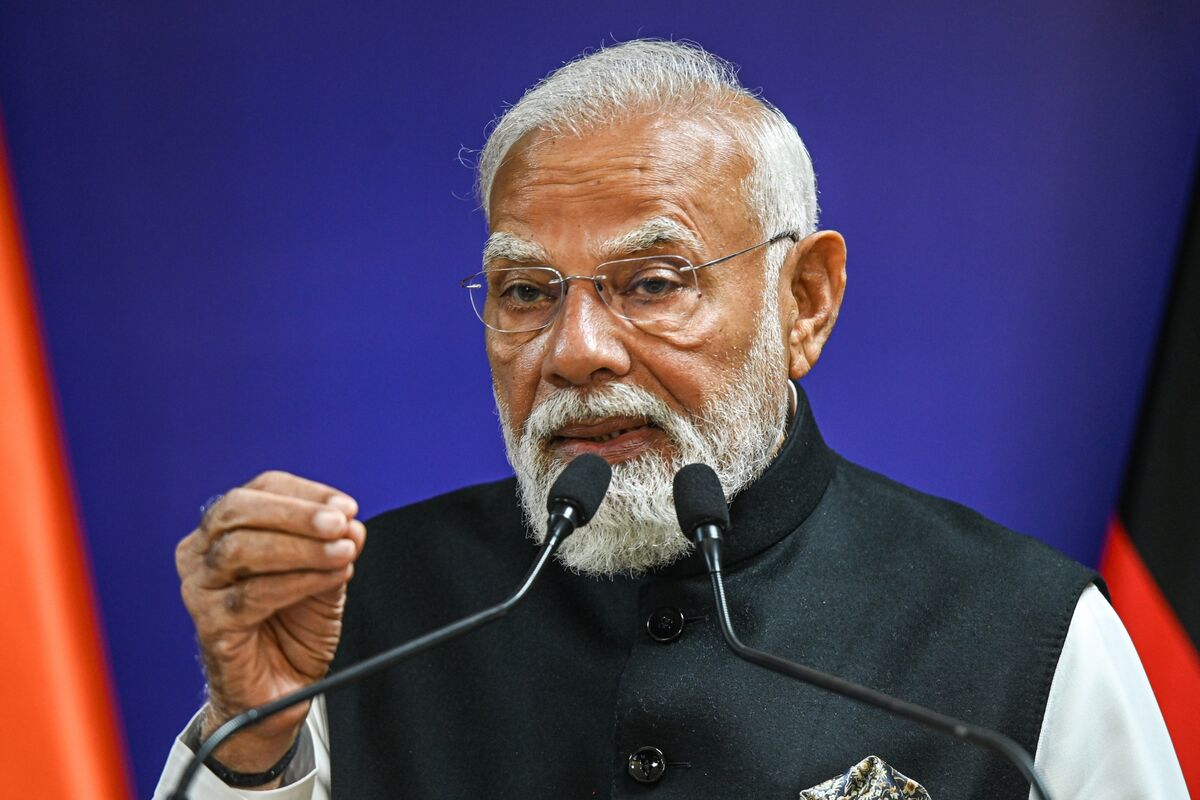
Prime Minister Narendra Modi urged Indians to avoid buying gold jewelry for at least a year to help preserve foreign-exchange reserves and reduce non-essential imports. The appeal could pressure domestic jewelry demand and weigh on related stocks, while also signaling a more cautious stance on consumption and external balances. The broader market impact is limited but notable for gold, jewelry, and import-linked trade flows.
This is a direct hit to the weakest part of the gold demand stack: discretionary jewelry purchases, not investment bars or centralized reserve demand. The immediate loser is the upstream retail/brand ecosystem that relies on festival and wedding season elasticity; margin pressure can show up fast because fixed store costs stay in place while ticket sizes get deferred rather than destroyed. Second-order, a softer domestic gold bid reduces the need for import financing, which is constructive for FX optics and may marginally ease pressure on the current account if the message gains traction.
The more important market implication is not gold prices themselves, but sentiment contagion across India-linked discretionary names and collateral channels. If households substitute away from jewelry into cash or lower-ticket gifting, organized jewelers with inventory turns and financing leverage will see working-capital stress before revenue losses fully appear. Banks and NBFCs with gold-loan books are a mixed bag: lower gold demand can weigh on origination, but any decline in household leverage toward gold-backed borrowing may reduce asset-quality risk over a 6-12 month horizon.
Catalyst duration is uncertain. In the next few weeks the market will likely treat this as rhetoric unless state-level enforcement or repeated messaging follows; over 3-6 months, the key test is whether wedding/festival demand is merely delayed or structurally diverted. The contrarian read is that a moral suasion campaign often backfires at the margin by pulling forward purchases before a perceived restriction window closes, so the first-order revenue hit may be overstated while the FX-support narrative is underappreciated.
From a trade perspective, this is better expressed as a relative-value short against Indian consumer discretionary exposure than as a pure commodity short. The strongest setup would be any strength in jewelry retailers on an initial dip that fades as volume data confirms postponement rather than panic buying. If the policy is repeated alongside import-constraint measures, then the downside expands from sentiment to actual throughput.
AI-powered research, real-time alerts, and portfolio analytics for institutional investors.
Request DemoOverall Sentiment
mildly negative
Sentiment Score
-0.15
