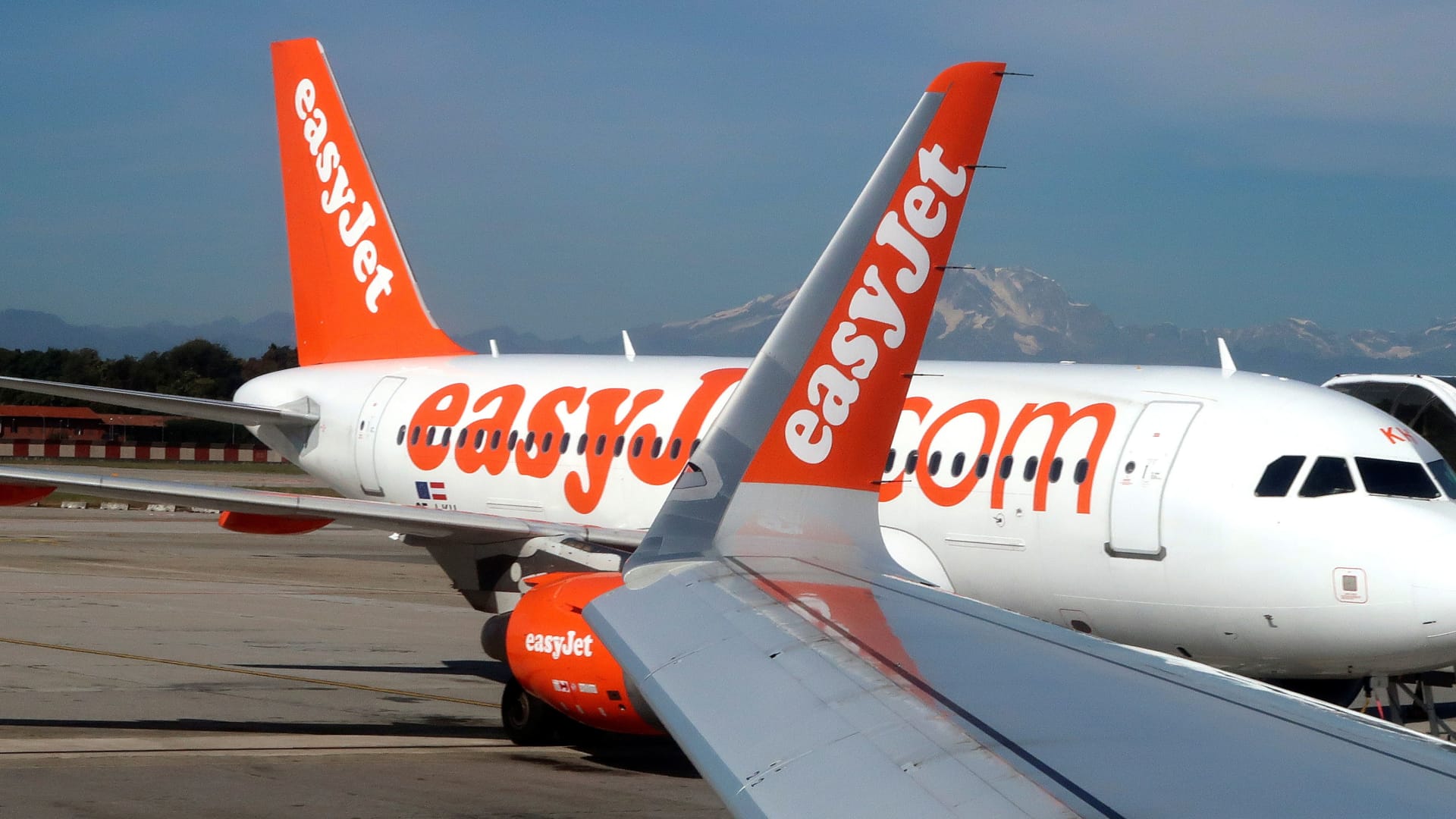
easyJet is considering Apollo Global Management’s proposed $7.7B takeover, valuing the airline at about £5.7B (~$7.66B). Apollo would pay £7.15 (~$9.61) per share, an 81% premium to easyJet’s £3.94 close on May 28, with an alternative Stub Equity option to roll shares into an Apollo vehicle. The news follows easyJet’s acceptance of a $7.3B bid from Castlelake, and signals a likely repricing of deal terms and shareholder returns.
The real market mechanism here is not “airline M&A,” it’s the signaling value to both valuation and financing markets. If Apollo is willing to underwrite a control premium for a structurally difficult, labor-heavy asset, it implies private capital still sees dislocation in European transport where public comps are pricing too much cyclicality and too little asset optionality. That can lift the takeout floor for other under-earning carriers, but only selectively: names with simpler fleets, better slots, and cleaner balance sheets should re-rate first.
For APO, the upside is more reputational than directly accretive near term. Winning a situation like this supports its ability to source proprietary deals and monetize structured-capital expertise, but the earnings delta is likely immaterial versus fee-related earnings and dry powder narrative. The second-order beneficiary may be Apollo’s broader financing ecosystem if the deal leans on debt placement, leasing, or structured equity — that supports origination flows for ARI-adjacent credit channels, though the equity market will probably not price that in immediately.
The main risk is that airline assets become financing-risk assets once diligence starts: fuel, wage inflation, maintenance capex, and regulatory ownership constraints can all compress sponsor returns quickly. The first 1-3 month catalyst is bid competition and spread tightening; the 6-18 month risk is that any successful buyer discovers the same structural margin issues that made the asset cheap in the first place. For the target, the takeover premium is only durable if the bidder can convince holders that there is a clean path through approvals and operating volatility; otherwise the stock can retrace sharply if financing terms widen or a rival bid fails to materialize.
Contrarian view: the market may be overpricing certainty of close. European carriers are exactly where “cheap by EV/EBITDAR” can be a value trap, because lease-adjusted leverage and labor rigidity usually show up after the announcement. If this is just bid signaling rather than a fully financed commitment, the best trade may be to fade the exuberance after the opening spike rather than chase the headline premium.
AI-powered research, real-time alerts, and portfolio analytics for institutional investors.
Request DemoOverall Sentiment
strongly positive
Sentiment Score
0.70
Ticker Sentiment
