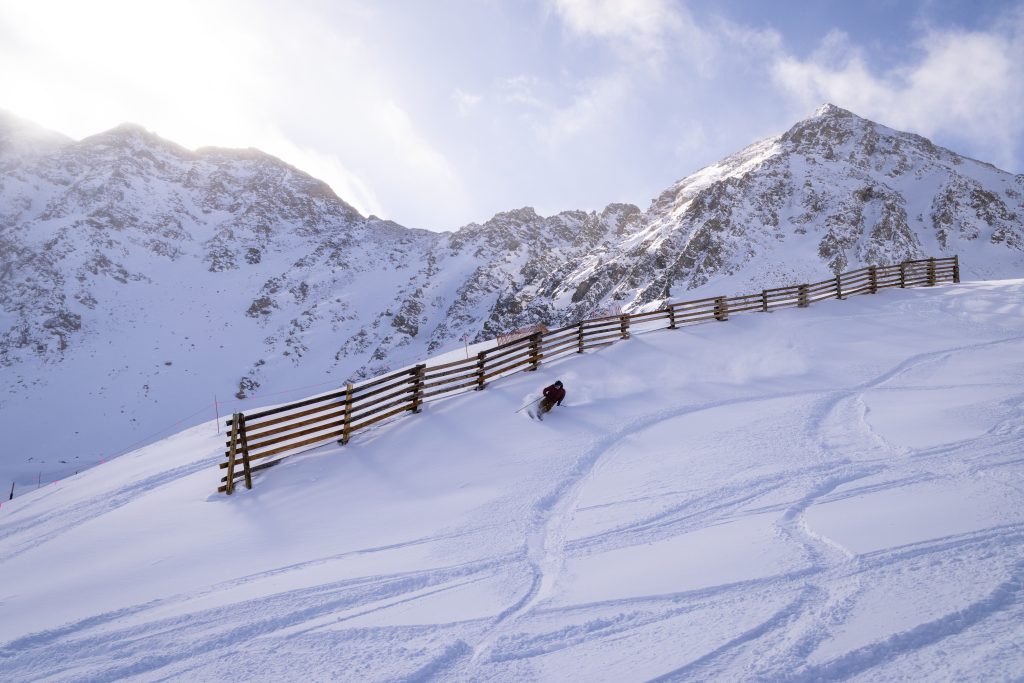
Loveland reported 11 inches of snow over the past five days and has expanded terrain along The Ridge; 2026/2027 season passes go on sale next week at prior spring-sale prices and include access to 30+ partner mountains. Keystone currently has 116 trails and 2,385 skiable acres open, Breckenridge has 162 trails and 2,388 acres, and Arapahoe Basin is promoting $50 Wednesday lift tickets and lessons and early pass activation from March 23, 2026. Temperatures rising into the high 40s this week are expected to accelerate snowmelt and limit further major terrain openings (Copper confirmed no more major openings), while resorts focus on maintaining existing terrain and staging spring events and concerts.
Warm snaps in mountain destinations create asymmetric revenue effects over the next 1–4 weeks: lift-ticket revenue is the most temperature-sensitive line item and can decline sharply as usable vertical compresses, while ancillary lines (lodging, F&B, events, rentals, and concerts) are stickier and can even expand with spring-break crowds. Operators that own diversified portfolios and destination lodging can see gross margin resilience because non-lift spending typically carries 400–800bps higher margins than lift ticket sales; a 10–20% drop in daily lift revenue can be offset by a smaller 5–10% increase in ancillary spend per guest during event weekends.
Second-order winners include pass aggregators and marketplaces (which monetize footfall regardless of conditions), local short-term rental platforms and parking/transport providers, and F&B vendors with scalable event footprints; vendors selling snowmaking consumables face compressed near-term demand but get longer-term optionality as resorts invest to extend seasons. The primary tail risk is an extended warm stretch (3+ weeks) that forces prolonged closures of upper-elevation terrain, compressing late-season conversion of pass renewals and creating markdown pressure on next-season pass pricing within 1–3 months.
The actionable read-through is timing: the next 7–21 days are a window where headline warm weather can create knee-jerk selling in public names, but underlying demand tied to spring-break travel and paid events offers a re-rate opportunity for diversified operators. Monitor degree-day differentials and weekend booking trends as near-real-time catalysts — a 10% sequential drop in weekend occupancy or a 50% decline in event ticket take-rate should be treated as a stop signal within a 2–6 week trade horizon.
AI-powered research, real-time alerts, and portfolio analytics for institutional investors.
Request DemoOverall Sentiment
neutral
Sentiment Score
0.00
