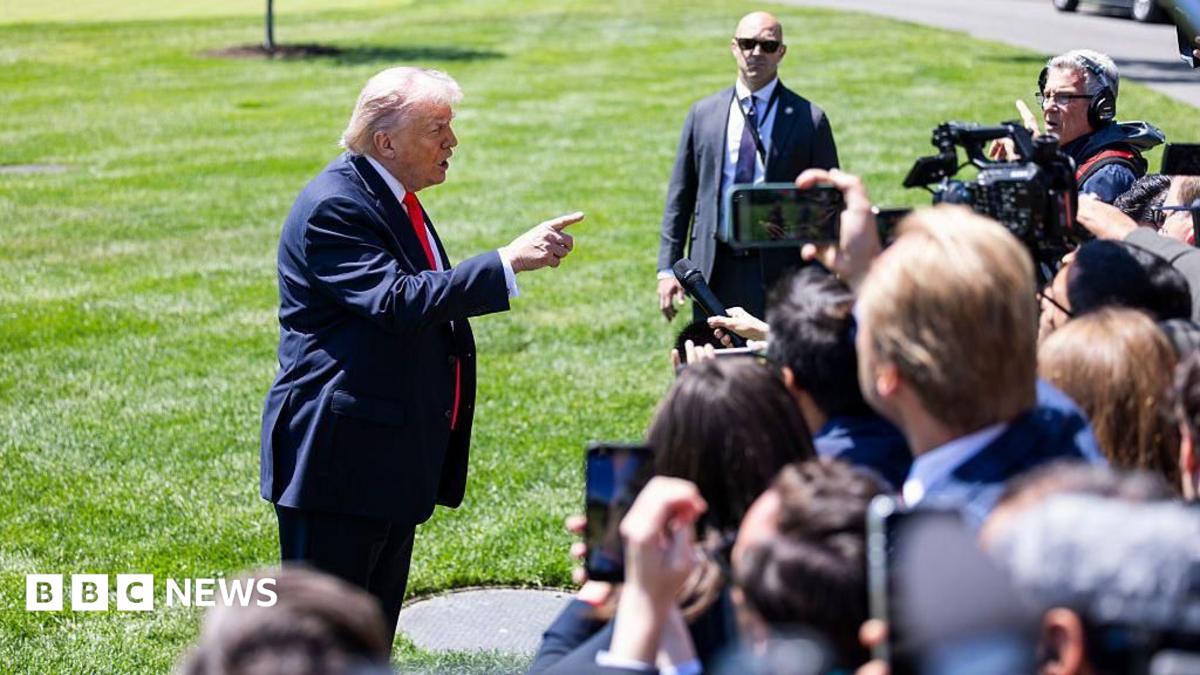
The Trump administration faces a 60-day War Powers deadline over the US-Israeli conflict with Iran, while officials argue the ceasefire pauses the clock and critics dispute that interpretation. Oil prices fell on reports of a new Iranian proposal, but the Strait of Hormuz remains effectively closed, keeping a major energy and shipping risk in place. The article also highlights possible $25bn in US operation costs and rising legal/political pressure for congressional authorization.
The market’s first-order read should be that this is no longer just an oil headline; it is now a legal-and-command-control risk premium layered on top of a physical supply shock. That combination is usually more durable than a pure “fear bid” because even if diplomacy cools spot prices, the uncertainty around whether the US has statutory room to escalate keeps implied volatility elevated across energy, defense, and shipping. The key second-order effect is that logistics insurers and charterers will price not just disruption probability, but also policy ambiguity — which can keep freight costs sticky even if crude retraces.
The biggest beneficiary is not the broad energy complex uniformly, but the upstream names with low breakevens and direct exposure to tighter seaborne supply; refiners and airlines are the cleaner losers because crack spreads and jet fuel costs can widen before consumers absorb the move. Defense is more nuanced: contractors benefit only if this evolves into a sustained procurement cycle, whereas a short, legally contested episode can actually compress multiples by reminding investors that headline-driven revenue is less predictable than backlog suggests. Watch also for indirect stress in emerging-market sovereigns and import-heavy Asian industrials, where higher energy can hit current accounts within days to weeks.
The contrarian view is that the market may be overestimating the persistence of the risk premium if the administration needs congressional cover or a face-saving off-ramp. A ceasefire-plus-talks framework would likely unwind part of the move quickly, especially in front-month energy and freight-sensitive equities. But if lawmakers force a procedural fight, that becomes a catalyst for renewed headlines over the next 1-3 weeks, and the real trade is volatility rather than direction: spot can mean-revert while options remain expensive because the policy path is binary.
What’s underappreciated is that a protracted legal dispute itself can constrain escalation, paradoxically lowering the odds of immediate broader war even while it extends the market overhang. That favors relative-value expressions over outright longs: the winners are those with self-help balance sheets and low input costs, not those dependent on a clean resolution.
AI-powered research, real-time alerts, and portfolio analytics for institutional investors.
Request DemoOverall Sentiment
moderately negative
Sentiment Score
-0.45
