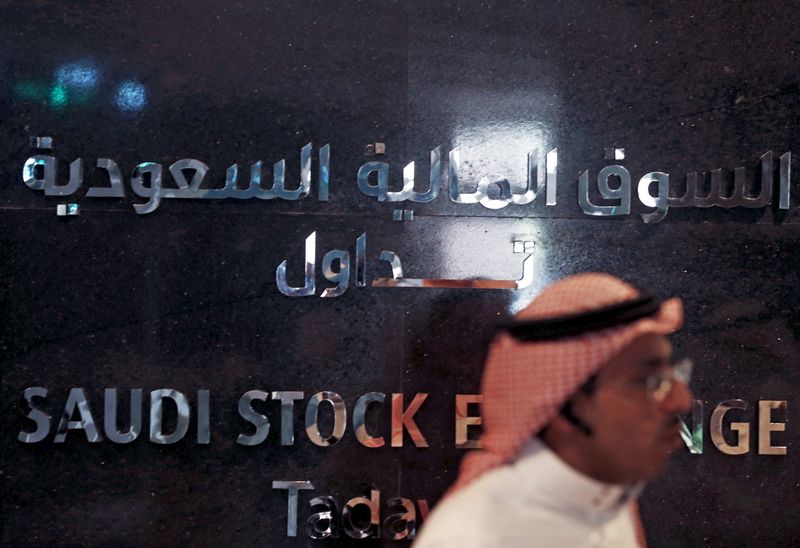
Gulf equities slipped as the U.S.-Israeli war with Iran entered its third week: Saudi index -0.1% (Saudi National Bank -1.3%, Aramco +0.7%), Qatar -0.2% (QNB -1.3%), Bahrain -0.5%, Kuwait -0.1%, Oman -0.4%; Egypt blue-chip index -1.9% (Commercial International Bank -2.6%). Attacks on oil infrastructure and shipping around the Strait of Hormuz and threats to Iran’s Kharg Island raised energy security concerns, pushing crude prices higher and prompting cancellations of the Bahrain and Saudi Grands Prix scheduled for April. The escalation increases the risk of wider regional disruption to energy flows and investor risk-off positioning across Gulf markets.
The immediate market transmission is not just higher oil headline volatility but a re-pricing of transport and insurance frictions: incremental tanker rerouting and higher P&I premia create a multi-week supply-chain tax that widens crude-to-products cracks (diesel/jet) and raises marginal refining economics for nearby buyers. Expect freight and insurance costs to act as a rolling tax on spot economics for 30–90 days, benefiting owners of flexible tonnage and commodity traders who can arbitrage longer haul differentials.
Gulf financial plumbing is the second-order locus of risk: shorter trade finance tenors, higher margining on FX swaps, and precautionary sovereign funding delays can compress local bank liquidity and nudge spreads wider over 1–6 months. That path creates asymmetric downside for locally concentrated banks, while global corporates with diversified cashflows and USD funding lines face a manageable, but non-trivial, hike in working capital costs.
Macro/positioning consequence: risk-off tilt will favor secular-growth technology names with strong free-cash-flow optionality and limited EM revenue exposure, while cyclicals tied to travel, logistics and regional discretionary revenue see outsized beta. The market is likely to overshoot in weeks one-to-six as headline risk drives flows; absent kinetic escalation against export infrastructure the shock should mean-revert in 6–12 weeks, creating a tactical mean-reversion window for selectively buying dislocated cyclicals.
AI-powered research, real-time alerts, and portfolio analytics for institutional investors.
Overall Sentiment
strongly negative
Sentiment Score
-0.60
Ticker Sentiment
