
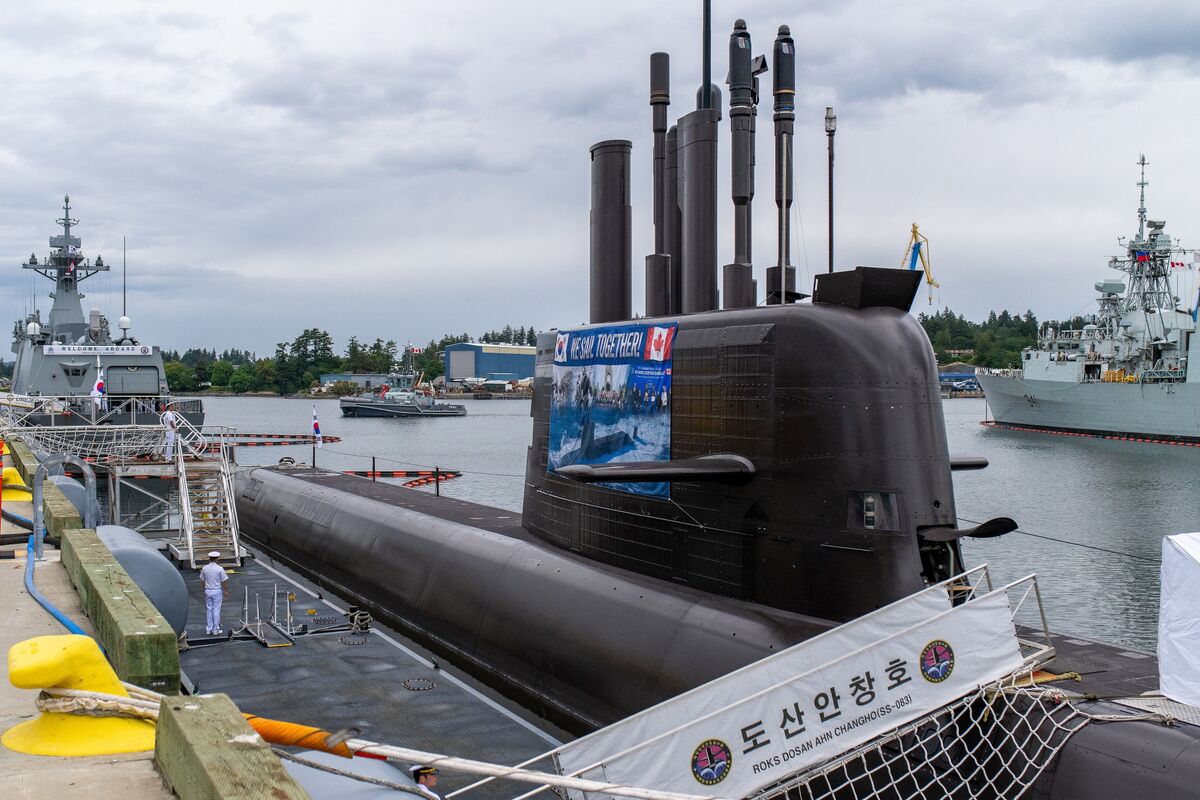
Hanwha is strengthening its bid for Canada’s potential 12-submarine procurement by offering broader industrial cooperation, including a memorandum of understanding between Hanwha Aerospace and Canadian spaceport operator Maritime Launch Services. The move underscores an effort to package defense and space capabilities together as Canada weighs a rich contract. The article is largely factual and bid-related, with limited immediate market impact.
This is less about one submarine contract and more about how industrial policy is being bundled into a broader geopolitical procurement package. The real second-order winner is any bidder that can present itself as a platform partner, not just a hull builder; that favors firms with export-credit backing, local industrial offsets, and the ability to attach adjacent businesses to a defense sale. For Canada, the signal is that the procurement may optimize for alliance reliability and domestic job creation as much as technical specs, which tends to compress the field toward a small set of politically legible bidders.
The spaceport angle is important because it gives Hanwha an option on dual-use infrastructure that can be monetized regardless of submarine award outcome. If the MOU progresses into concrete capex or launch-service commitments, Maritime Launch gets a valuation lift from scarcity value alone, but the more interesting effect is on Korean industrial groups that can package defense, space, and logistics into one export narrative. That creates pressure on traditional Western primes that rely on narrow product bids; they may need to lower pricing or increase offset commitments, which can erode margin over a multi-year procurement cycle.
The near-term catalyst window is months, not days: bid shortlists, local-partner announcements, and any Canadian government signaling around industrial benefits. The main risk to the thesis is that the transaction remains symbolic; if this stays at MOU level without funding or follow-on contracts, the market will likely fade it quickly. The contrarian view is that investors may be overestimating the immediate economic value of the space angle while underestimating its procurement value as a political hedge, which can matter more than standalone project economics in a deal of this size.
AI-powered research, real-time alerts, and portfolio analytics for institutional investors.
Request TrialOverall Sentiment
neutral
Sentiment Score
0.15
Ticker Sentiment
