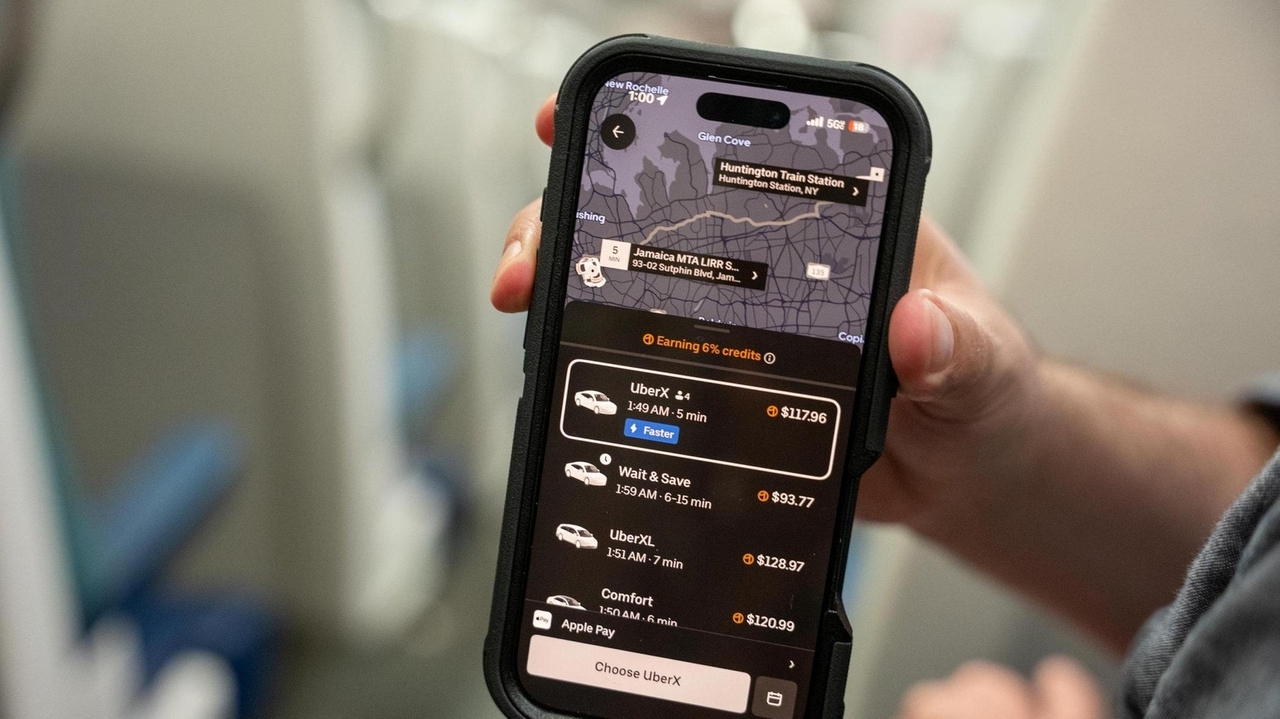
The Long Island Rail Road strike has disrupted the commute for roughly 270,000 daily riders traveling from Long Island to New York City. The article provides alternative routing, shuttle bus, and NICE bus pickup/drop-off information rather than any financial or corporate development. Impact is localized to regional transportation and commuter convenience, with limited broader market implications.
The immediate market read is less about the transit operators themselves and more about the allocation shock to regional labor supply. A prolonged commuter disruption raises short-term absenteeism across NYC office-heavy sectors, which can dent same-day productivity but also accelerate a shift toward hybrid work normalization; that second-order effect is bearish for downtown real estate and any services business levered to peak-hour foot traffic over the next few quarters.
For NICE, the setup is tactical rather than structural: incremental ridership can lift near-term utilization, but bus systems typically face a lagged cost burden from overtime, fuel, and crowding before fare capture catches up. The asymmetry is that a strike benefits operators only if it persists long enough to change habit formation; a 1-2 week event usually creates a temporary volume spike, while a multi-month disruption can re-route commuters permanently and force employers to rethink office attendance policies.
The bigger underappreciated winner is digital substitution — ride-hailing, park-and-ride, and ferry-adjacent infrastructure can see a lasting mix shift if commuters experience repeated friction. On the losing side, Manhattan retail, restaurants, and late-opening entertainment names exposed to weekday transit traffic can see a sharper-than-expected hit in discretionary spend, with the damage front-loaded in the first 5-10 trading days and then fading if alternative commutes normalize.
Consensus may be overestimating how quickly the system snaps back. Even if the strike resolves quickly, households and employers often retain the new routine for months, meaning the real earnings risk is not the strike duration but the persistence of lost ridership and softer CBD demand. That argues for treating this as a catalyst for a slower secular bleed in commuter-sensitive assets rather than a one-off headline event.
AI-powered research, real-time alerts, and portfolio analytics for institutional investors.
Request DemoOverall Sentiment
mildly negative
Sentiment Score
-0.20
Ticker Sentiment
