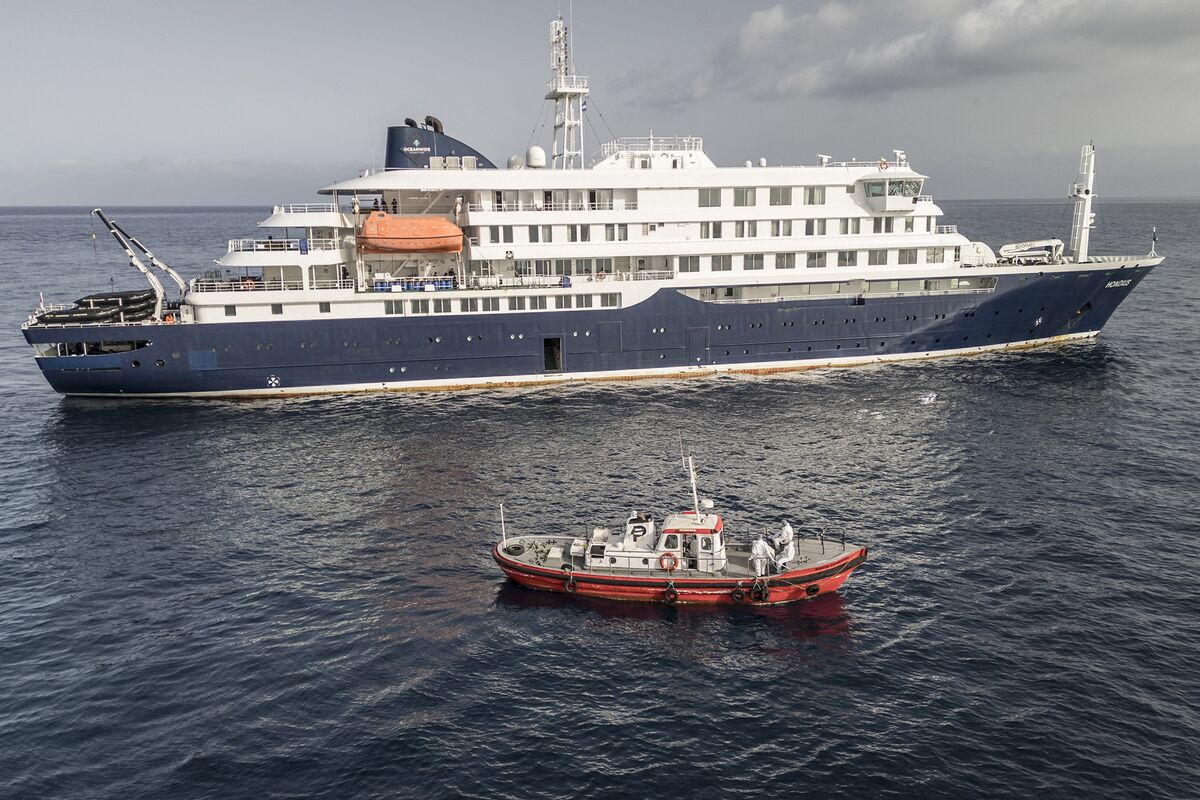
The expedition cruise ship Hondius is linked to a deadly hantavirus outbreak, with three people evacuated and two crew members requiring urgent medical care. The vessel is set to sail to the Canary Islands after the evacuations, and the affected patients will be flown to the Netherlands on specialized aircraft. The event is materially negative for the operator and highlights health and operational risks in cruise travel, though broader market impact should be limited.
This is not a direct equity event, but it is a clean negative read-through for the small-cap cruise/expedition niche where brand trust is the primary asset and pricing power is fragile. In these businesses, one biosecurity failure can impair booking conversion for multiple seasons because consumers do not distinguish well between operators; the discount usually shows up first in last-minute occupancy and then in higher cancellation rates, not immediately in published guidance.
The second-order effect is on route and insurance economics. Expect higher scrutiny from ports, medical evacuation vendors, and underwriters, which can raise operating friction for smaller operators more than for diversified mass-market cruise lines. If the outbreak narrative broadens, it can also pressure adjacent travel categories tied to remote destinations — expedition tourism, specialty charters, and premium group travel — where customers are paying for safety as much as experience.
The key catalyst window is days to weeks: how many additional cases emerge, whether the ship can resume service cleanly, and whether local/regional authorities impose quarantine or inspection requirements. The longer-duration risk is reputational, which can persist through the booking cycle and show up in the next 1-2 quarters of forward demand commentary even if the medical event itself is contained. A quick reversal requires a clean containment update plus no secondary incidents on return-to-service itineraries.
The consensus may be underestimating how little direct size this has for the broad cruise complex, while overestimating the damage to the whole category. That argues for being tactical rather than bearish-beta: sell the most exposed niche operators on strength, but avoid blanket shorts on large-cap cruise names where the event may actually reinforce the value of scale, medical protocols, and brand recognition.
AI-powered research, real-time alerts, and portfolio analytics for institutional investors.
Request DemoOverall Sentiment
strongly negative
Sentiment Score
-0.55
