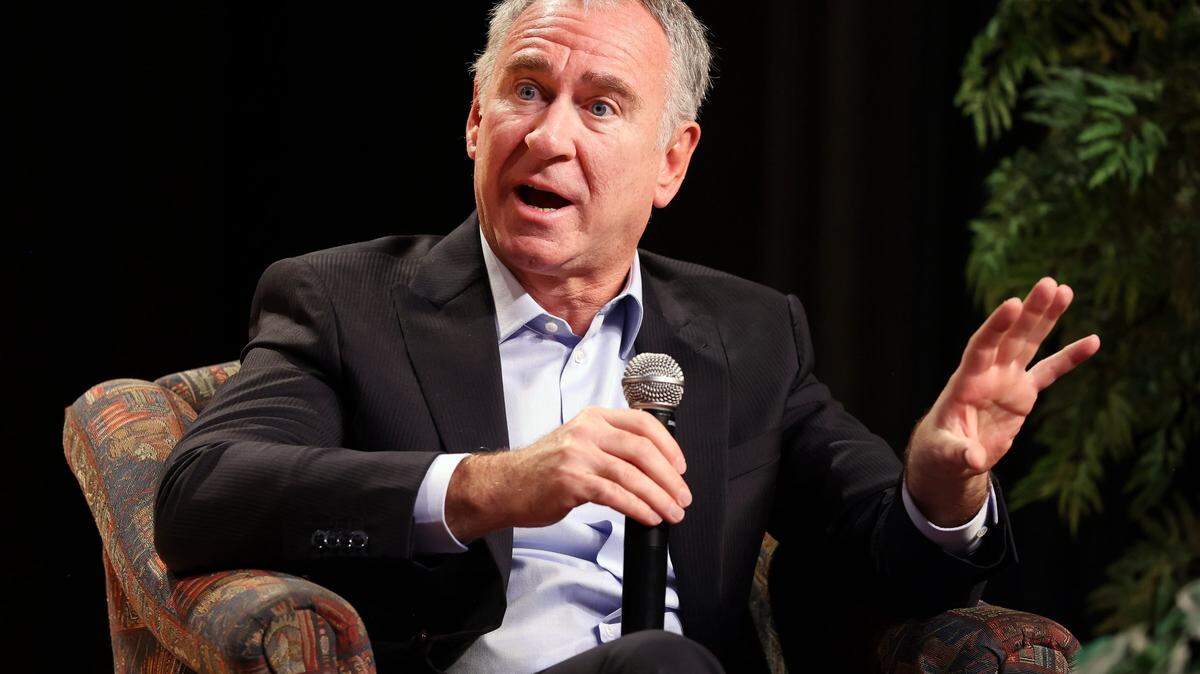
Ken Griffin said Citadel plans to add hundreds of thousands of square feet to its new Brickell headquarters in Miami, signaling continued expansion in South Florida. He also said Citadel is likely to proceed with its planned $6 billion Manhattan tower, though the firm remains irritated by New York Mayor Zohran Mamdani’s proposed tax on second homes worth more than $5 million. The article is primarily about Griffin’s tax-driven relocation and real estate strategy rather than an immediate market catalyst.
This is less a single-headline real estate story than a labor-capital allocation signal: senior finance and tech wealth is increasingly behaving like a mobile tax base, and South Florida is the beneficiary of that convexity. The second-order effect is that office demand in Brickell is not just about Citadel headcount; it is a magnet for adjacent service ecosystems — legal, tax, recruiting, security, and family-office infrastructure — which can lift Class A absorption even if broader office markets remain soft.
The competitive implication is that Miami is gaining a structural edge in recruiting top traders and engineers who can arbitrage after-tax compensation. That matters for Citadel because talent retention in a high-turnover, pay-sensitive business is often more valuable than marginal rent optimization; a denser campus can reduce frictional attrition and improve collaboration, which is a real P&L lever over 12-24 months. Conversely, New York and Chicago risk a gradual erosion in high-income spend and local multiplier effects if this becomes a template for other firms and founders.
The market may be underestimating how quickly this can feed into Florida-owned assets and local beneficiaries, but overestimating the immediacy of a full corporate exodus. The near-term catalyst is not a headquarters move; it is the signaling effect that forces competitors to respond in compensation, site selection, and lobbying. The main reversal risk is political: if the tax proposal softens or is delayed, the relocation narrative loses urgency, though the broader migration trend likely persists.
On the contrarian side, the buildout may be more about optionality than commitment — adding space now can be a cheap hedge against policy risk without requiring a full abandonment of New York. That means the trade is less “short NYC” than “long Miami network effects,” with the biggest upside in names levered to local population, high-end commercial demand, and private wealth servicing.
AI-powered research, real-time alerts, and portfolio analytics for institutional investors.
Request DemoOverall Sentiment
neutral
Sentiment Score
0.15
Ticker Sentiment
