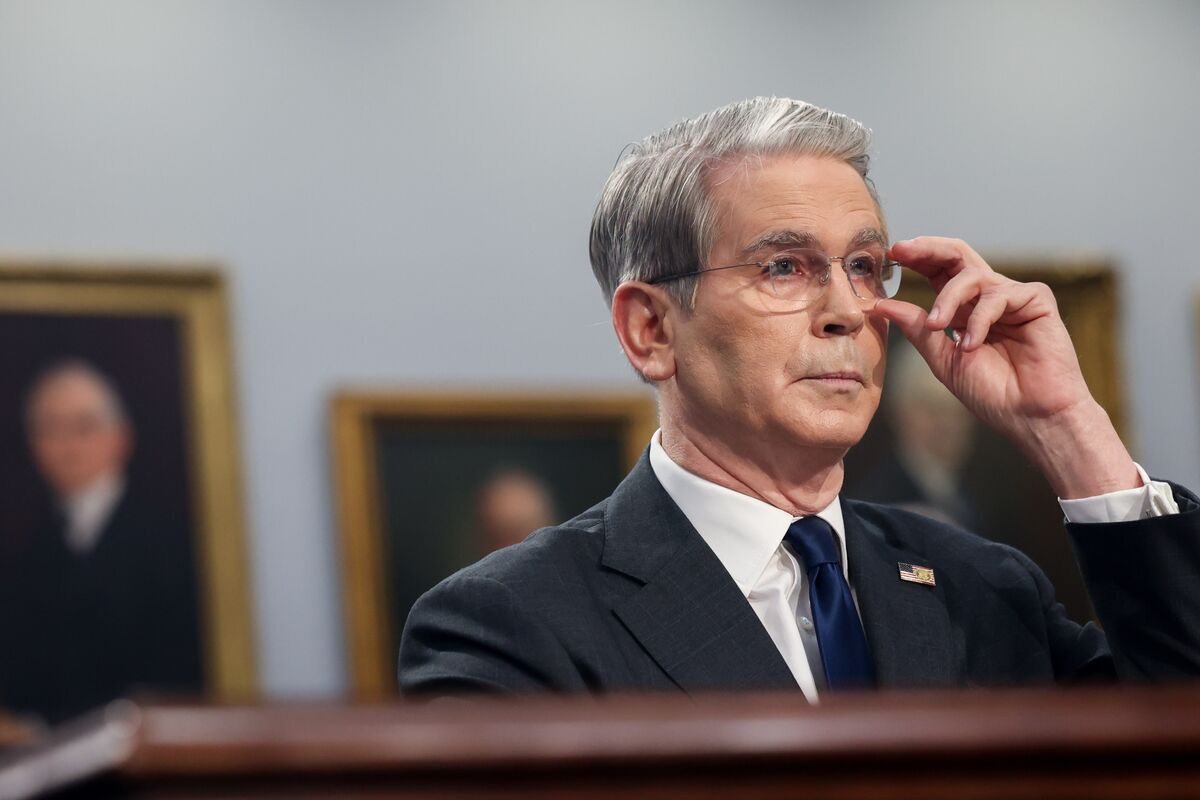
Treasury Secretary Scott Bessent criticized Federal Reserve Chair Jerome Powell for not signaling a clear agenda for interest rate cuts, asserting that current rates are overly restrictive. Bessent expressed surprise that Powell has not indicated a target reduction of at least 100 to 150 basis points by the end of the year, underscoring his view on the necessity for lower rates.
Treasury Secretary Scott Bessent has publicly expressed disappointment with the Federal Reserve's current monetary policy, introducing a notable point of pressure on its future decisions. In a recent interview, Bessent characterized prevailing interest rates as "too restrictive" and articulated a clear expectation for significant easing, stating he was surprised that Fed Chair Jerome Powell has not signaled a target for rate cuts of "at least 100 to 150 basis points" by the end of the year. This commentary establishes a specific, dovish benchmark from a high-ranking official that contrasts with the Fed's more measured public stance. The market's interpretation, reflected by a moderately positive sentiment and a dovish tone signal, suggests that investors may see this as increasing the probability of future rate cuts, which is typically supportive for risk assets. However, the moderate market impact score indicates that while Bessent's view is significant, it does not guarantee a change in the independent Federal Reserve's policy path, leaving the market to focus on future signals from Chair Powell.
AI-powered research, real-time alerts, and portfolio analytics for institutional investors.
Request DemoOverall Sentiment
moderately positive
Sentiment Score
0.55
