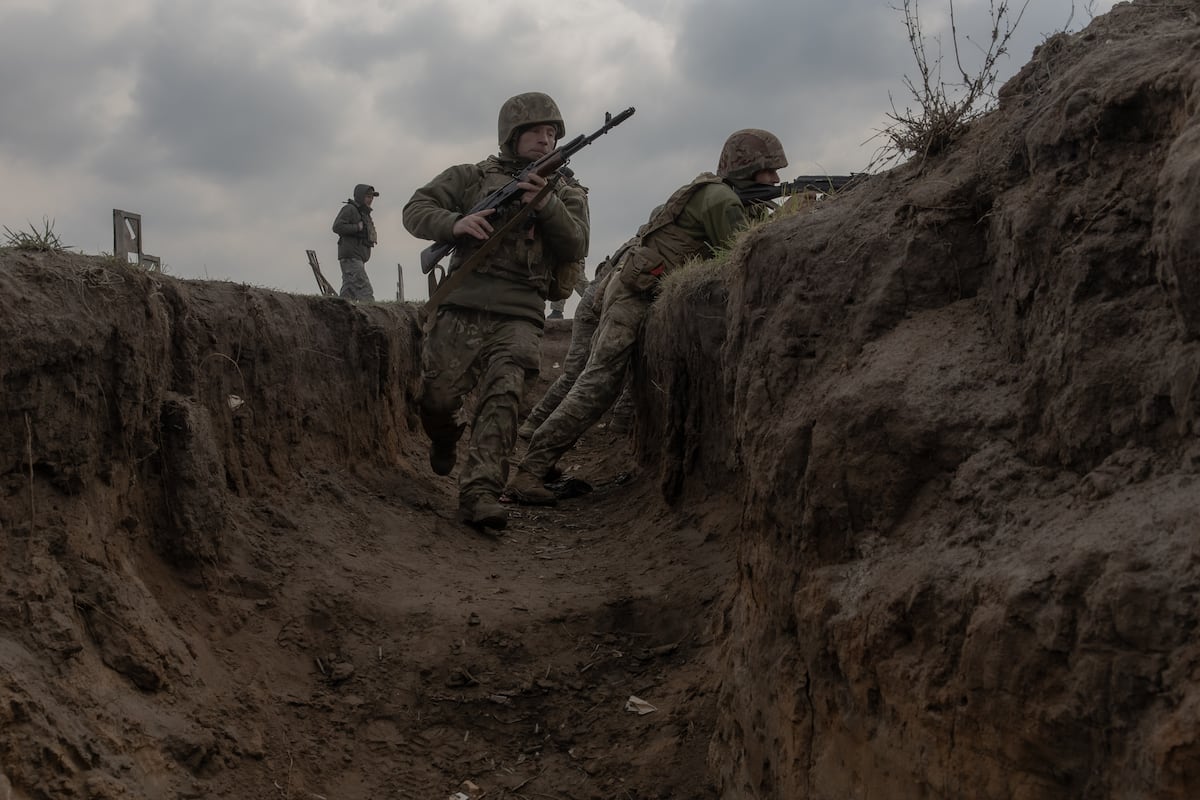
Trump said Russia and Ukraine would temporarily halt fighting for 3 days beginning Saturday, with the proposal also tied to a 1,000-prisoner exchange from each side and a ceasefire through May 11. Zelenskyy backed the prisoner swap but remained cautious, saying he expects the United States to ensure Russia honors the agreement. The article centers on ceasefire diplomacy, Russia-Ukraine war developments, and broader geopolitical risk, with limited direct market specificity.
The market read-through is not the headline pause in fighting; it is the signaling value of U.S.-brokered de-escalation against a backdrop of Russia-Iran alignment risk. If Washington can credibly impose even a short compliance window, it marginally reduces near-term tail risk for escalation into cyber, satellite, or infrastructure channels that typically leaks into defense and cybersecurity multiples before it shows up in macro data. That supports a small duration extension in “peace premium” assets, but only tactically: the credibility gap between the parties means this is more of a headline-risk compression trade than a durable regime shift.
The second-order effect is on defense procurement timing, not aggregate spending. A temporary pause does not change multi-year European rearmament, but it can defer urgency around replenishment orders by a few weeks, which matters for order-flow-sensitive defense names and for suppliers with shorter backlog visibility. Cybersecurity is more insulated: any ceasefire that is explicitly linked to prisoner exchange still leaves room for non-kinetic operations, so the threat budget for critical infrastructure and election-security remains intact even if kinetic risk briefly fades.
The most interesting contrarian angle is that a fragile ceasefire may actually increase the probability of asymmetric action if either side wants leverage before the window closes. That keeps implied volatility elevated in defense/cyber names despite the apparent de-escalation, and it argues against chasing a broad selloff in the sector. The right posture is to fade any knee-jerk “peace trade” in defense while selectively owning cyber beneficiaries where the narrative of reduced conflict is least relevant to budgets.
AI-powered research, real-time alerts, and portfolio analytics for institutional investors.
Request DemoOverall Sentiment
neutral
Sentiment Score
0.00
Ticker Sentiment
