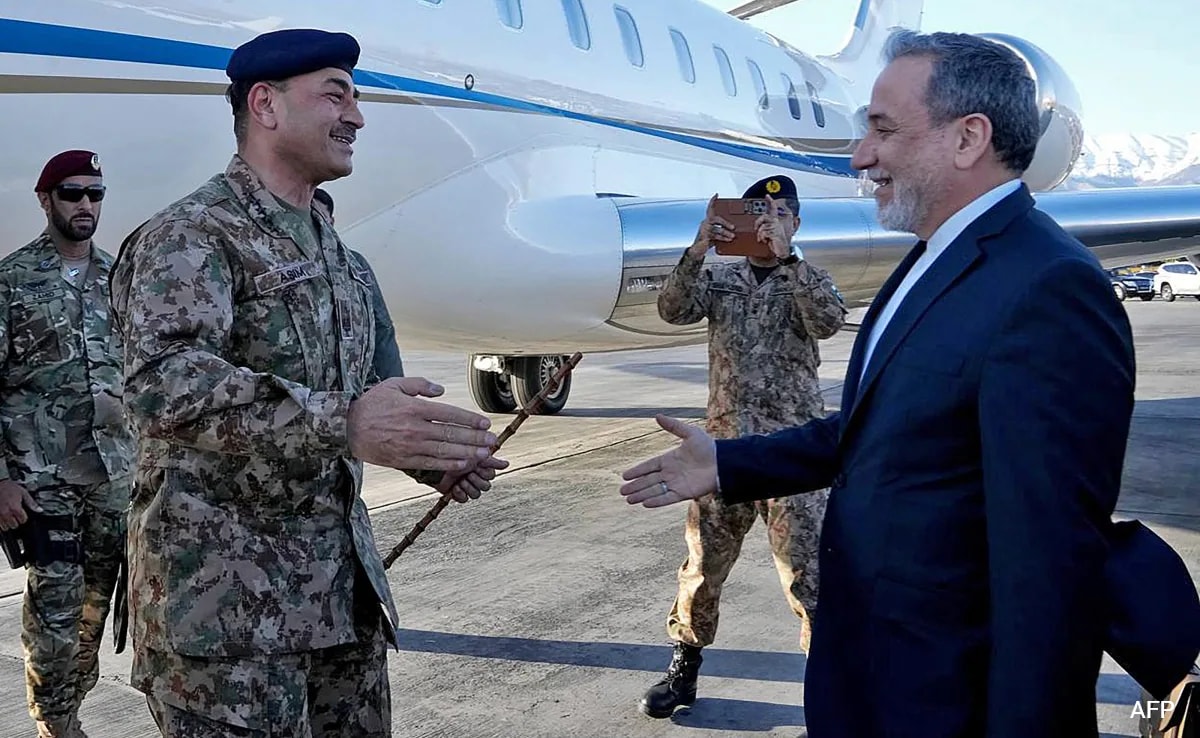
US-Iran talks may resume in Pakistan as Washington seeks a deal, but Tehran is threatening to halt exports and imports through the Persian Gulf, Sea of Oman and Red Sea unless the US lifts its naval blockade. The confrontation is already affecting energy markets, with oil prices down on hopes of diplomacy even as the IMF warned that prolonged war could keep prices high and lift inflation. Wall Street rallied to record highs on the prospect of a settlement, but the situation remains highly fragile with ongoing rocket fire and military threats.
The market is effectively pricing a lower-probability de-escalation path while the physical risk premium remains vulnerable to abrupt re-acceleration. The key second-order effect is that even a partial diplomatic bridge would not normalize shipping immediately; insurers, shipowners, and refinery procurement teams will wait for verification, so the biggest near-term winner is not commodities broadly but duration-sensitive equities that were discounting a prolonged energy shock. That creates a gap between headline relief and real-world supply-chain normalization that could persist for weeks.
The asymmetric risk is on the upside for energy volatility if negotiations stall or the blockade is enforced more aggressively. A move from rhetoric to an actual interdiction of Gulf transit would hit not just crude but petrochemicals, Asian refining margins, and European industrials via higher feedstock and freight costs; the inflation impulse would show up first in food and shipping before it reaches CPI. The longer the standoff lasts, the more it forces central banks to choose between growth and inflation credibility, which is why rate-sensitive sectors can still underperform even if spot oil is contained by inventory drawdowns.
The contrarian angle is that the consensus may be overestimating how quickly a deal would unwind the premium in energy and underestimating the tail risk of a failed bargain. Iran has more leverage through disruption than through trade resumption, so any agreement that does not clearly restore maritime confidence can still leave prices elevated. In that scenario, the trade is less about directional oil beta and more about owning convexity in volatility and supply-chain dislocation while fading the most duration-heavy beneficiaries of lower crude.
AI-powered research, real-time alerts, and portfolio analytics for institutional investors.
Request DemoOverall Sentiment
mildly negative
Sentiment Score
-0.15
