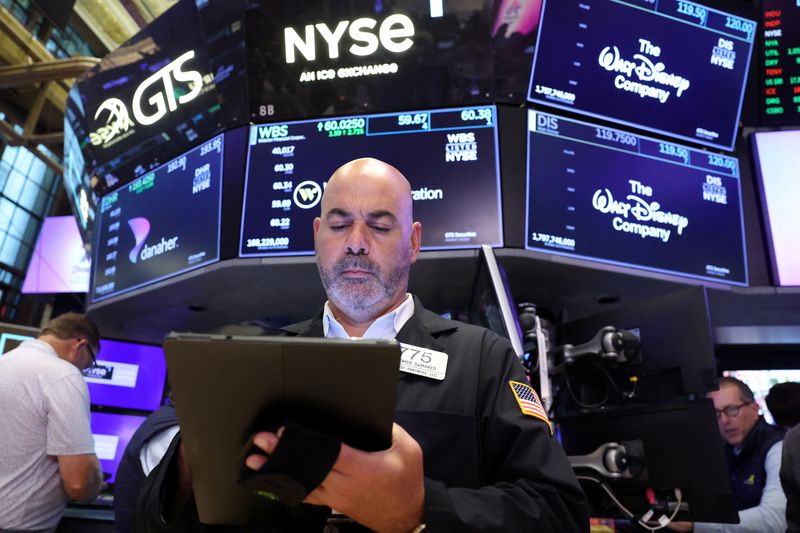
Brent oil spiked to near $119/bbl and U.S. futures were mixed (S&P 500 futures +0.1% to 6,669; Nasdaq 100 futures +0.1% to 24,600.25; Dow futures +0.2% to 46,424) after the cash S&P, Dow and Nasdaq closed down roughly 0.3–0.4%. The Fed left rates unchanged and CME FedWatch now prices little to no chance of cuts before mid-2027—a 'higher-for-longer' view that pressured gold and reduced risk appetite. Escalating Middle East tensions and oil-driven inflation concerns are keeping markets volatile and tilted toward risk-off positioning.
Higher-for-longer rate expectations re-price relative cash-flow risk across the market: financials that re‑earn spread on floating assets (banks, insurers) benefit via NIM expansion and lower duration sensitivity versus long‑duration growth and fixed income closed‑end strategies which face convex mark‑to‑market losses. Second‑order winners include custodial banks and securities lenders who capture higher short‑term funding spreads without extending duration; losers include defined‑benefit plans and real‑money buyers of long Treasury ETFs that will need to rebalance into higher yields, mechanically pressuring long‑bond prices further.
Geopolitical volatility acts as a kicker to the inflation path rather than a binary demand shock — episodic oil shocks increase term premium and real yields first, then filter into services CPI with a 3–6 month lag. Near‑term equity and commodity volatility should therefore spike around discrete events (days–weeks), but the inflationary impulse to central bank reaction functions unfolds over quarters, setting up multi‑quarter positioning opportunities (3–12 months).
The consensus risk is underweight optionality: investors are trimming duration and buying credit but remain light on convex hedges that pay in stress. That makes asymmetric option structures attractive — small notional, long‑dated calls on oil or gold and put spreads on long‑duration tech offer >2x payoff if a geopolitical escalation forces a rapid de‑risking or if growth disappoints and the Fed signals a pivot. Manage sizing tightly — these are insurance-like trades priced for low realized volatility but with fat left tails.
AI-powered research, real-time alerts, and portfolio analytics for institutional investors.
Overall Sentiment
mildly negative
Sentiment Score
-0.25
Ticker Sentiment
