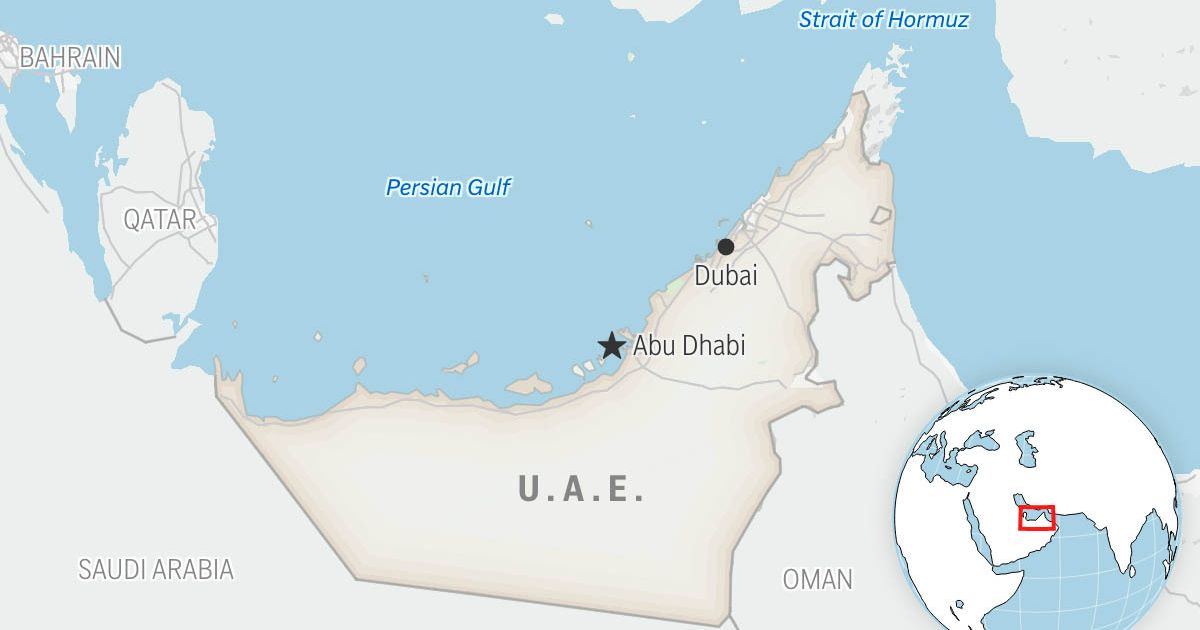
The UAE said it will leave OPEC and OPEC+ effective May 1, ending decades of membership amid tensions over production limits and rivalries with Saudi Arabia. The move could loosen supply discipline, with the UAE stating it will still add production gradually in line with demand and market conditions. The announcement carries sector-wide implications for oil markets and Gulf geopolitical dynamics.
The meaningful market signal is not just a supply-risk headline; it is a regime shift in cartel cohesion. Once a core Gulf producer exits quota discipline, the marginal credibility of coordinated restraint falls, which tends to steepen the forward curve less than spot because traders price a higher probability of “managed cheating” across the group rather than an immediate flood of barrels. In practice, that favors prompt-month volatility over a clean directional selloff: the first reaction can be bullish on political uncertainty, but over 1-3 months the market usually refocuses on incremental non-OPEC supply and the inability of the remaining group to enforce discipline.
The second-order beneficiary is not necessarily the biggest public E&Ps; it is refiners, shipping, and oil services with exposure to Gulf activity and more barrels moving on shorter-haul routes. If the UAE signals gradual post-exit production growth, the supply response is more likely to show up in destination competition and product discounts than in headline crude oversupply, which supports crack spreads before it pressures Brent materially. Saudi-backed policy risk also rises: any attempt to punish the UAE via price war would hurt budget-sensitive peers first, making a sustained high-cut strategy less credible and creating a window for opportunistic hedging rather than outright shorting.
The contrarian read is that the move may be less bearish for oil than consensus assumes because it removes a constraint from a relatively efficient, investment-hungry producer while simultaneously exposing how fragile the rest of OPEC+ already is. If the market believes the UAE will monetize capacity gradually and responsibly, the larger effect is a lower “OPEC scarcity premium,” not a collapse in supply discipline. That argues for fading front-end rallies on geopolitical headlines rather than positioning for a structural break lower in the commodity.
Tail risk runs both ways: a Saudi-UAE political escalation could temporarily tighten regional logistics and lift freight/security costs, but a détente or tacit understanding would quickly unwind any risk premium. The key time horizon is 30-90 days, when traders will test whether actual export behavior matches rhetoric; if volumes do not rise materially, the announcement becomes mostly a governance story, not a pricing story.
AI-powered research, real-time alerts, and portfolio analytics for institutional investors.
Request DemoOverall Sentiment
mildly negative
Sentiment Score
-0.15
