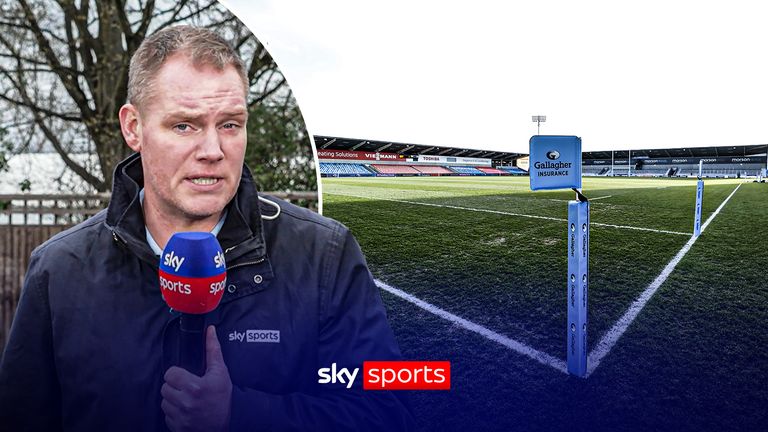
The RFU-approved overhaul will convert the Gallagher Premiership into a franchise-style league, ending automatic promotion and relegation from 2026-27 and expanding from 10 teams today to 12 by 2029-30 and 20 by 2040. The change implements a criteria-based expansion/demotion model, creates an Expansion Review Group to assess clubs and investor appetite, and imposes women’s rugby participation or funding requirements on Premiership clubs. The reform is positioned to improve financial stability and investor confidence across English professional rugby, while creating a clearer growth/tender pathway for new entrants.
Market structure: Turning the Gallagher Prem into a franchise with 12 teams by 2029-30 (20 by 2040) centralizes revenue, reduces relegation-driven volatility and increases pricing power for media rights and league-level sponsors. Clear winners are deep-pocketed broadcasters/platforms and betting operators that monetize stable schedules (estimate potential rights upside of 10–30% by 2029 if competitive auctions occur); losers are Championship clubs, marginal regional sponsors and local hospitality that rely on promotion windfalls.
Risk assessment: Near-term (days–months) sentiment will be driven by ERG announcements and investor tenders; medium-term (12–36 months) risk centers on rights auctions, legal challenges and fan/regulatory backlash. Tail risks: competition authority litigation, union/player disputes or investor capital flight could erase expected rights premium (low‑probability, high‑impact). Hidden dependencies include broadcasters' balance sheets, women's-game monetization execution and municipal stadium funding.
Trade implications: Favor selective exposure to listed media/betting beneficiaries while hedging rights/regulatory risk. Volatility should compress for clubs in the new franchise, raising credit appetite but also leverage—credit spreads on UK media/betting names could tighten 25–75bp if rights growth materializes. Time trades to ERG milestones (next 3–6 months) and rights auction windows (2027–2029).
Contrarian angles: The market underestimates fragmentation risk — more teams could dilute product quality and reduce per‑club rights value if fan engagement falls; women's-game uplift may take longer and be costlier than models assume. Historical parallel: US league expansion (MLS/NBA) raised nominal valuations but required multi-year capital injections; expect similar multi‑year funding cycles and periodic corrective events.
AI-powered research, real-time alerts, and portfolio analytics for institutional investors.
Request DemoOverall Sentiment
mildly positive
Sentiment Score
0.30
