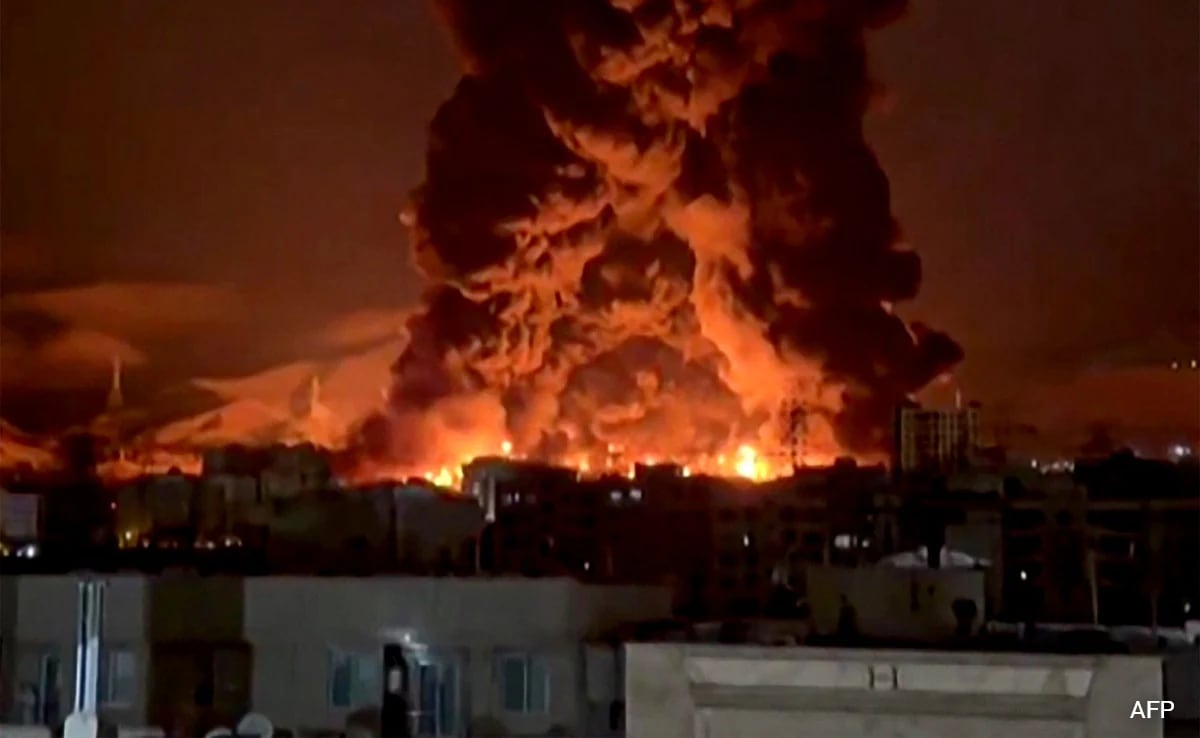
Three oil storage depots in Tehran and Alborz were struck by missiles, sparking massive fires and a reported 'toxic rain' that damaged vehicles and caused six deaths and ~20 injuries; authorities warned residents to stay indoors. The strikes and resulting hydrocarbon contamination pose acute public-health risks and are likely to increase regional risk premia and upward pressure on oil prices, prompting a broad risk-off response in markets.
This incident raises two distinct market impulses: a short-duration physical-product shock in the Gulf/Red Sea trading corridors and a longer-duration political insurance premium. Even if Iranian export barrels remain a small share of global floating supply, damage to local storage/refining and the attendant rise in tanker/terminal war-risk drives regional diesel/bunker cracks materially higher than headline Brent; a 0.3–0.7 mmbpd temporary product shortfall in the region can lift regional diesel spreads by $5–$12/bbl within 2–6 weeks, amplifying margins for refiners with access to export logistics.
Second-order knock-ons favor players who capture widened crack spreads and those who underwrite or supply defensive/insurance capacity. Expect freight and war-risk insurance rates to gap higher in days, supporting stocks tied to maritime insurance/reinsurance broking and specialist midstream operators that route around Iran (terminals, pipeline chokepoints). Conversely, airlines, long-haul shippers and refiners with feedstock constrained by damaged terminals are asymmetric losers in the near term.
The market has likely front‑loaded headline risk into oil and defense equities; however, the consensus underestimates how quickly diesel/bunker tightness transmits to refining margins versus crude price. Spare global crude/SPR releases could cap Brent within 30–60 days, but lack of equivalent refined-product inventories means refiners can enjoy an outsized 6–12 week windfall before crude flows normalize.
Key catalysts to watch: confirmed outage maps from AIS/tanker trackers (next 72 hours), SPR release signals from G7 (7–30 days), insurance premium prints and bunker indexes (1–10 days), and diplomatic escalation markers (missile strikes on shipping or ports) that would convert a regional premium into a sustained multi‑quarter re‑rating.
AI-powered research, real-time alerts, and portfolio analytics for institutional investors.
Request DemoOverall Sentiment
extremely negative
Sentiment Score
-0.90
